Topkapi Palace
The opulent seat of the Ottoman sultans - a sprawling palace of courtyards, treasuries and a harem above the Bosphorus, filled with jewels, relics and four centuries of power.
Updated 18 October 2026

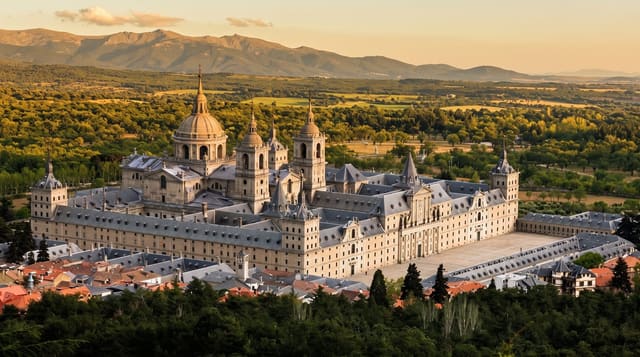
AI illustration
UNESCO World Heritage
Topkapi Palace was the opulent seat of the Ottoman sultans for some four centuries, a sprawling complex of courtyards, pavilions and gardens on a headland above the meeting of the Bosphorus and the Golden Horn. From here an empire spanning three continents was ruled, and its treasuries glitter with jewels, its chambers hold sacred relics, and the secretive Harem reveals the private world of the sultans.
History
The palace stands on Seraglio Point, where the acropolis of Greek Byzantion once stood, and Sultan Mehmed II ordered it built in 1459, six years after taking Constantinople, when the Great Palace of the Byzantines lay largely in ruins and his court was housed in the Old Palace at Beyazıt; the historian Critobulus says the work ran from 1459 to 1465, other sources into the late 1460s. Called the New Palace at first, it took the name Topkapı, Cannon Gate, only in the 19th century, and it grew over the centuries, with major rebuilding after the earthquake of 1509 and the fire of 1665. From the 1460s until Dolmabahçe Palace was completed in 1853 it was the administrative centre of the Ottoman Empire and the sultans' main residence, and today it is a museum (Wikipedia, Topkapı Palace).
What to look for
- The Imperial Treasury - the jewels, thrones and the famous Topkapi dagger.
- The Harem - the private, tiled chambers of the sultan's household.
- The sacred relics - the holy relics of Islam in the palace.
- The courtyards and views - the gardens and the view over the Bosphorus.
When to go
Spring and autumn for mild weather and pleasant courtyards; summer is hot and very crowded. Book ahead, go early, and allow half a day, as the palace is large and the Harem, worth the extra ticket, adds time.
Practical notes
It is large and needs half a day, with the Harem a separate, worthwhile extra ticket. It is extremely popular, so book ahead and go early to beat the crowds and heat. It closes on certain days, so check. The layout of scattered pavilions takes some navigating.
Nearby
Hagia Sophia and the Blue Mosque are alongside in Sultanahmet; the Archaeological Museums are within the grounds.
Key facts
Source: Wikidata, item Q170495, read on 18 October 2026.
What to pack for Topkapi Palace
Chosen from what this place is for. Tap a kit for the full checklist.
- Comfortable walking shoes - Sightseeing means kilometres of pavement and cobbles daily. Find on Amazon
- Modest clothing - Shoulders and knees covered - the single most common requirement. Find on Amazon
- A slim anti-theft daypack - Zips that close properly; keep it in front in crowds and on transit. Find on Amazon
- A scarf or shawl - To cover the head or shoulders on entry; women especially at mosques. Find on Amazon
Some links on this page are Amazon affiliate links - if you buy through them we may earn a small commission at no extra cost to you.
All packing kitsPlan your trip
Where to start if Topkapi Palace is going on the list.
Booking links on this page are affiliate links - if you book through them we may earn a small commission at no extra cost to you. It never changes what we write about a place.
Opening times, ticket prices and seasonal closures change - check the official source before you go: official site.