Göynük
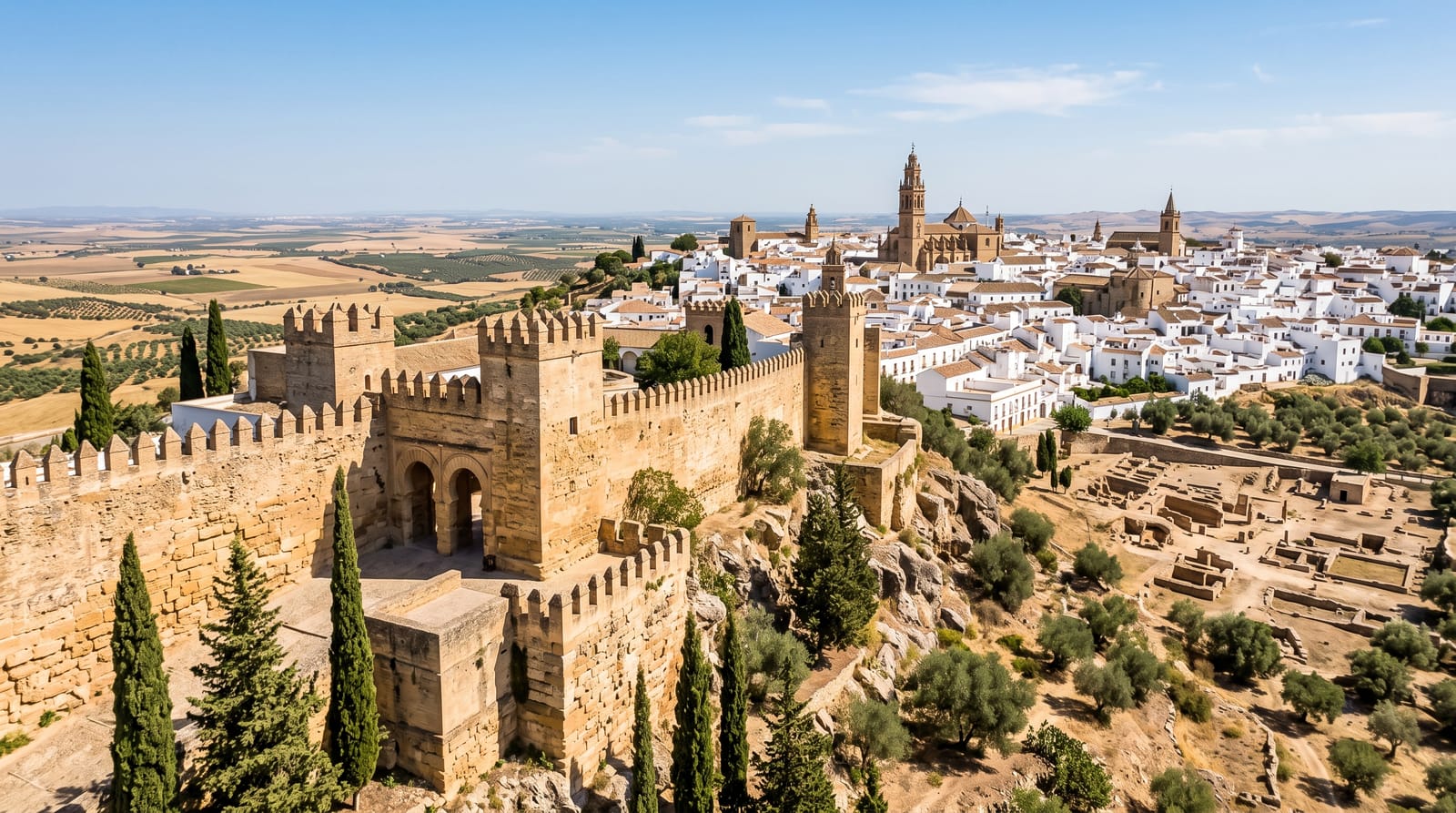
A hillside Bolu town of whitewashed Ottoman houses stacked up a slope, with a clock tower on the ridge above them.
Updated 25 August 2026
Göynük is built on a slope, and that is what makes it worth the detour: several hundred Ottoman houses stacked in tiers up the hillside, whitewashed with dark timber framing and red tiled roofs, so that from the opposite ridge the whole town reads as one composition. Many have been restored under a heritage programme and a number take guests. The Zafer Kulesi, a stone clock tower, stands on the high ground above with the best view over the roofs. In the town are the Akşemseddin tomb - the fifteenth-century scholar is buried here and the site draws steady visitors - a fifteenth-century mosque and hamam, and a museum house furnished as a period home. Göynük's other product is its bread and its handloom weaving. It is quiet on weekdays and modestly busy at weekends, and it pairs naturally with Mudurnu and Taraklı as a circuit of Ottoman towns in the same range of hills.
What you'll find
- The tiered houses - whitewashed Ottoman homes up the slope.
- The clock tower - the stone tower on the ridge above.
- The Akşemseddin tomb - the fifteenth-century scholar's türbe.
- The museum house - a period interior in the town.
When to go
April to June and September to November. Weekdays for quiet; the view from the opposite ridge is best in late afternoon light.
Practical notes
The streets are steep and cobbled throughout. Restoration is partial - handsome facades sit beside neglected ones. Facilities are limited to a few guesthouses and cafés.
Nearby
Mudurnu is a short drive east; Taraklı is west in Sakarya province.
Key facts
Source: Wikidata, item Q2901109, read on 18 October 2026.
What to pack for Göynük
Chosen from what this place is for. Tap a kit for the full checklist.
- Comfortable walking shoes - Sightseeing means kilometres of pavement and cobbles daily. Find on Amazon
- Modest clothing - Shoulders and knees covered - the single most common requirement. Find on Amazon
- A slim anti-theft daypack - Zips that close properly; keep it in front in crowds and on transit. Find on Amazon
- A scarf or shawl - To cover the head or shoulders on entry; women especially at mosques. Find on Amazon
Some links on this page are Amazon affiliate links - if you buy through them we may earn a small commission at no extra cost to you.
All packing kitsPlan your trip
Where to start if Göynük is going on the list.
Booking links on this page are affiliate links - if you book through them we may earn a small commission at no extra cost to you. It never changes what we write about a place.
Opening times, ticket prices and seasonal closures change - check the official source before you go: official site.