Tutuala and Valu Beach
The far eastern tip - a clifftop village, white sand facing Jaco island, and rock art caves overlooking the sea.
Saved in this browser only - no account, nothing sent anywhere. See your map
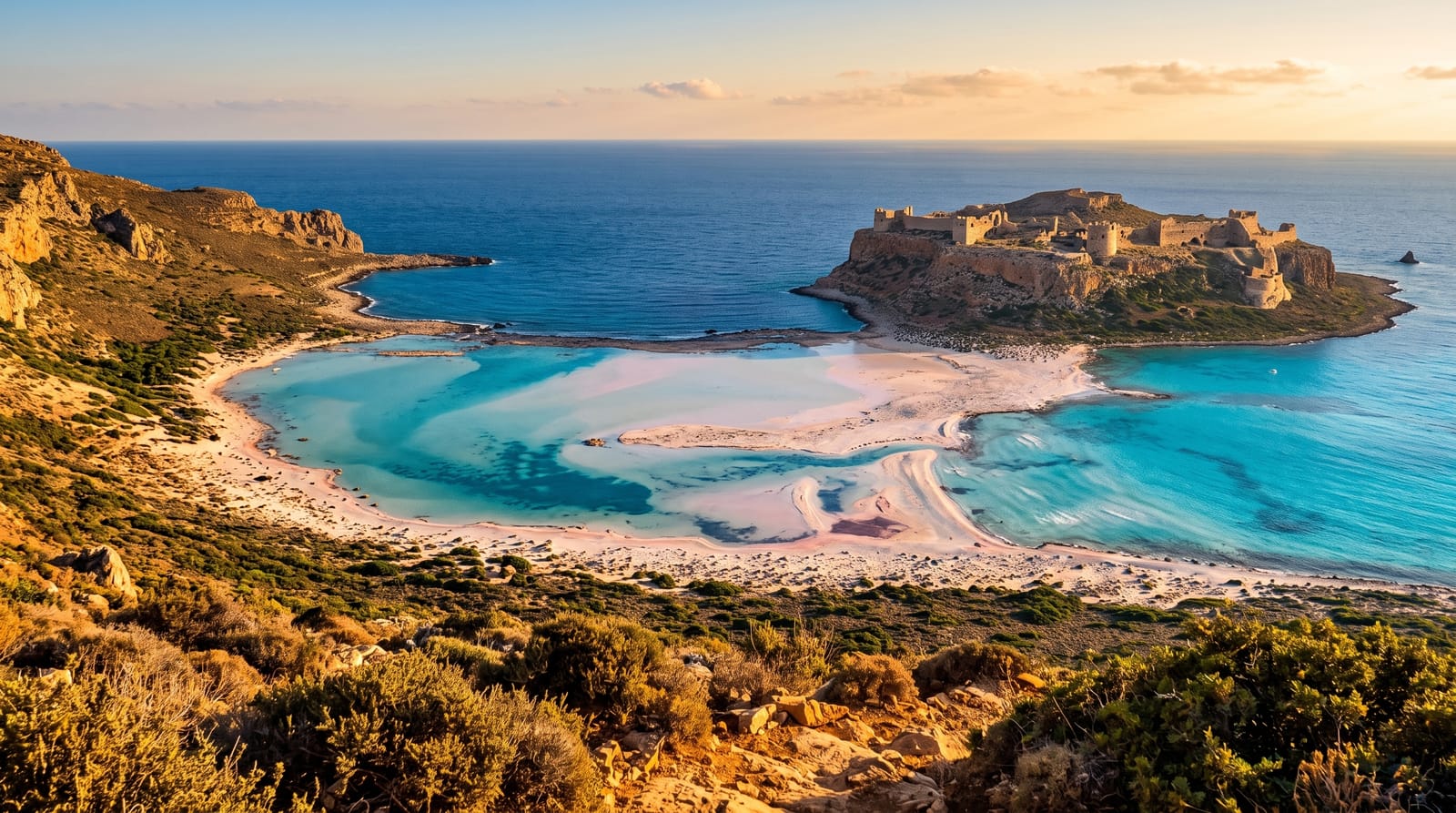
At the island's far eastern end, the village of Tutuala sits on a clifftop with a long view down the coast, and a rough track drops from there to Valu Beach - white sand facing the uninhabited island of Jaco across a narrow channel. Jaco is considered sacred by local people and nobody lives or stays overnight on it, though fishermen will take visitors across for the day to swim on beaches with no development at all. Nearby caves at Ile Kere Kere hold rock paintings of boats, human figures and animals, thought to be thousands of years old.
What you actually see
- Valu Beach and Jaco island - white sand facing the sacred uninhabited island.
- Ile Kere Kere rock art - ancient paintings in cliff caves above the sea.
- Tutuala clifftop - the village viewpoint over the eastern coast.
- Nino Konis Santana National Park - the surrounding protected forest and coast.
When to go
The dry season from May to November is the practical window; wet-season roads to the east are difficult and the descent to Valu can become impassable. Water is clearest in the dry months for snorkelling off Jaco.
Honest expectations
Getting here is a long, rough journey from Dili - six hours or more, with the final descent to the beach requiring 4x4. Facilities are minimal: basic beach huts at Valu and a guesthouse in Tutuala. Nobody stays overnight on Jaco out of respect for local belief, and that should be observed. Bring cash, water and supplies; there is very little to buy.
Nearby
Nino Konis Santana park, Com on the north coast and the road back to Baucau.
What to pack for Tutuala and Valu Beach
Chosen from what this place is for. Tap a kit for the full checklist.
Opening times, ticket prices and seasonal closures change - check the official source before you go: official site.