St-Leonard Underground Lake
Billed as Europe's largest navigable underground lake, crossed by rowing boat under a low rock ceiling.
Updated 30 August 2026
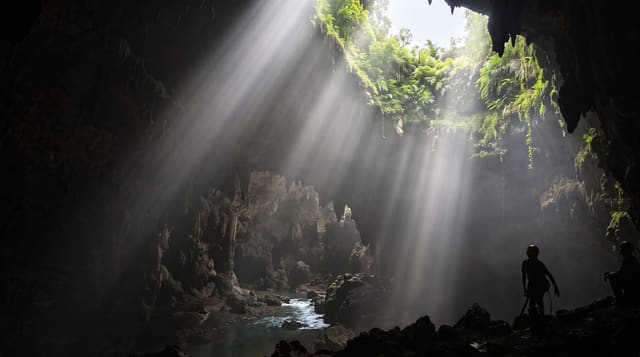
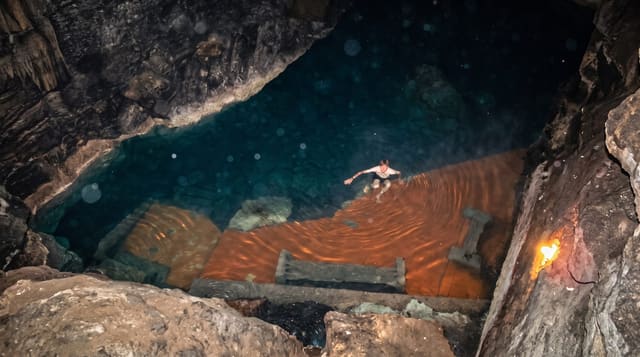
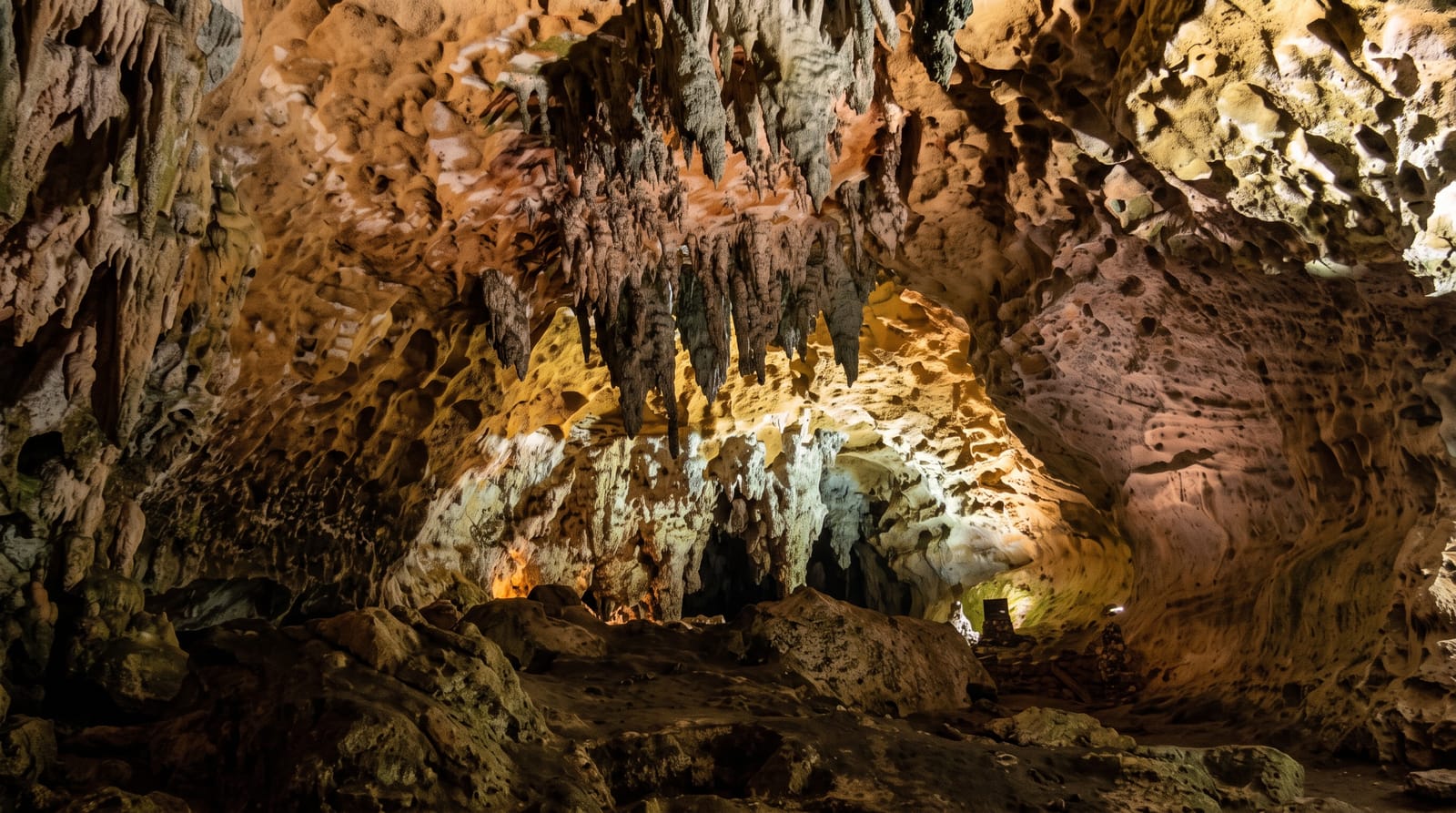
The lake fills a cavity in gypsum and marble about three hundred metres long and up to twenty wide, and it is billed as the largest navigable underground lake in Europe - a claim that rests on the boat traffic rather than raw volume. It was formed by water dissolving gypsum, and its level and shape have changed within recorded history: the 1946 Valais earthquake shifted the rock and drained part of it, and the modern visit dates from the reopening afterwards. Visits are by rowing boat with a guide, about half an hour on the water, with the ceiling close overhead and the light arranged to show the rock rather than to flood it. Water temperature stays around eleven degrees and the air is cool and damp.
Highlights
- A 300-metre underground lake - crossed by rowing boat with a guide.
- A ceiling close overhead - the low rock roof through most of the route.
- Gypsum and marble - the soluble rock the cavity formed in.
- The 1946 earthquake's mark - the event that changed the lake.
When to go
Mid-March to end of October. An hour.
Things to know
Closed all winter. Visits are guided boat trips only, in French with other languages by arrangement; there is no walking route. It is cool and damp - bring a layer. Queues form at midday in summer and the boats are small.
Nearby
Sion and its castles are west; Sierre and Val d'Anniviers are east.
What to pack for St-Leonard Underground Lake
Chosen from what this place is for. Tap a kit for the full checklist.
- Head torch + spare batteries - Hands-free light is essential; caves are truly dark. Find on Amazon
- Grippy closed shoes - Cave floors are wet, muddy and slick with formations. Find on Amazon
- A warm layer - Many caves sit near 10°C year-round, even in a hot country. Find on Amazon
- Gloves - Protect your hands on rough rock and cold metal handrails. Find on Amazon
Some links on this page are Amazon affiliate links - if you buy through them we may earn a small commission at no extra cost to you.
All packing kitsPlan your trip
Where to start if St-Leonard Underground Lake is going on the list.
Booking links on this page are affiliate links - if you book through them we may earn a small commission at no extra cost to you. It never changes what we write about a place.
Opening times, ticket prices and seasonal closures change - check the official source before you go: official site.