Stora Karlso
A limestone island off Gotland protected since 1880, with thousands of guillemots breeding on its cliffs.
Updated 12 October 2026
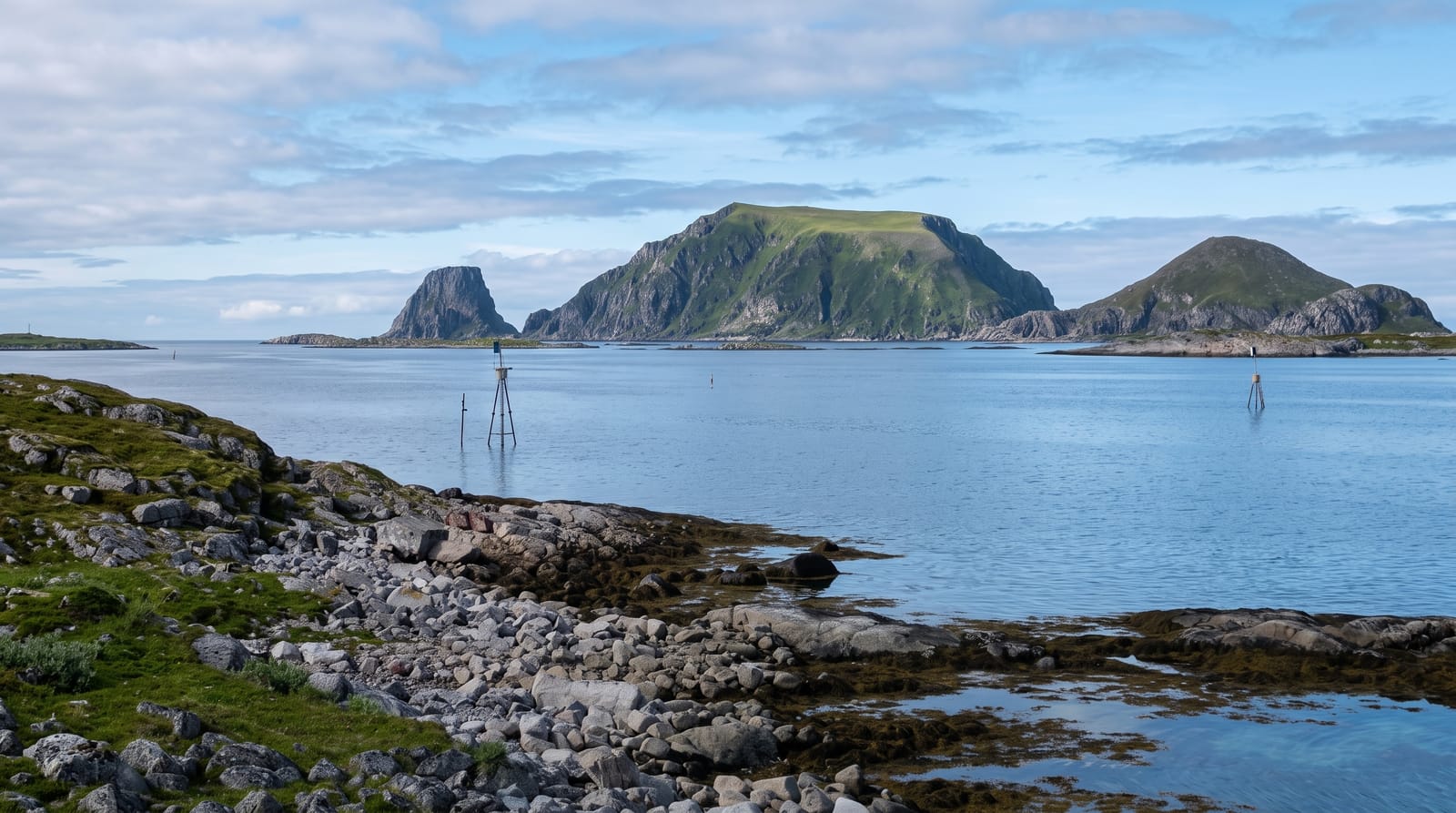
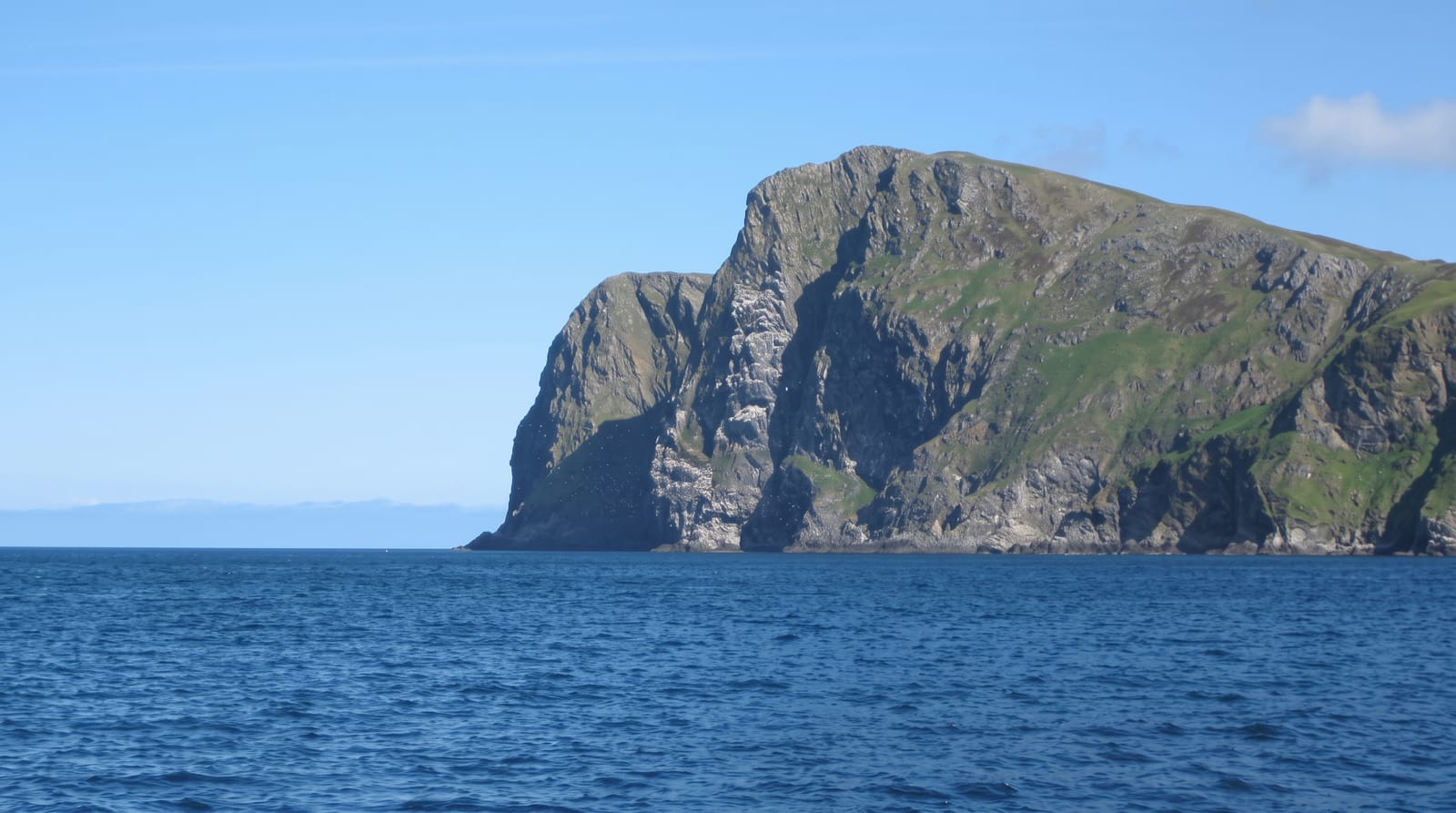
Stora Karlso was made a reserve in 1880, which makes it among the oldest protected areas in Europe, after a local doctor bought it to stop the egg collecting and shooting that was emptying the cliffs. Guillemots and razorbills nest on the ledges in thousands - the guillemot colony is the largest in the Baltic - and the young leave by jumping from the cliff to the sea before they can fly, which happens over a few nights in late June and early July. The island is limestone with raukar, orchids in the thin turf and a lighthouse. Visitors move with guides in the sensitive areas and stay in a small hostel if overnighting.
The landscape
- Guillemots and razorbills on the ledges - the largest Baltic colony.
- The chicks jumping to the sea - over a few nights in early summer.
- Limestone with raukar and orchids - the ground above the cliffs.
- A reserve since 1880 - among the oldest in Europe.
When to go
May to July; the jump is late June to early July. A full day.
Good to know
Boats run a short season and cancel in swell. Landings are limited and should be booked. Movement on the island is restricted to protect the colony. Facilities are minimal.
Nearby
Lilla Karlso is north-east; Klintehamn is on Gotland.
Key facts
Source: Wikidata, item Q2094380, read on 18 October 2026.
What to pack for Stora Karlso
Chosen from what this place is for. Tap a kit for the full checklist.
- Broken-in walking shoes or boots - Grip and ankle support matter more than looks; never hike in brand-new boots. Find on Amazon
- Shelter suited to the place - Tent, tarp or hut booking - match it to the terrain and rules. Find on Amazon
- Layers + a waterproof shell - Mountain weather turns fast; a packable rain jacket saves the day. Find on Amazon
- A warm sleeping bag + mat - Rated a little colder than you expect the nights to be. Find on Amazon
Some links on this page are Amazon affiliate links - if you buy through them we may earn a small commission at no extra cost to you.
All packing kitsPlan your trip
Where to start if Stora Karlso is going on the list.
Booking links on this page are affiliate links - if you book through them we may earn a small commission at no extra cost to you. It never changes what we write about a place.
Opening times, ticket prices and seasonal closures change - check the official source before you go: official site.