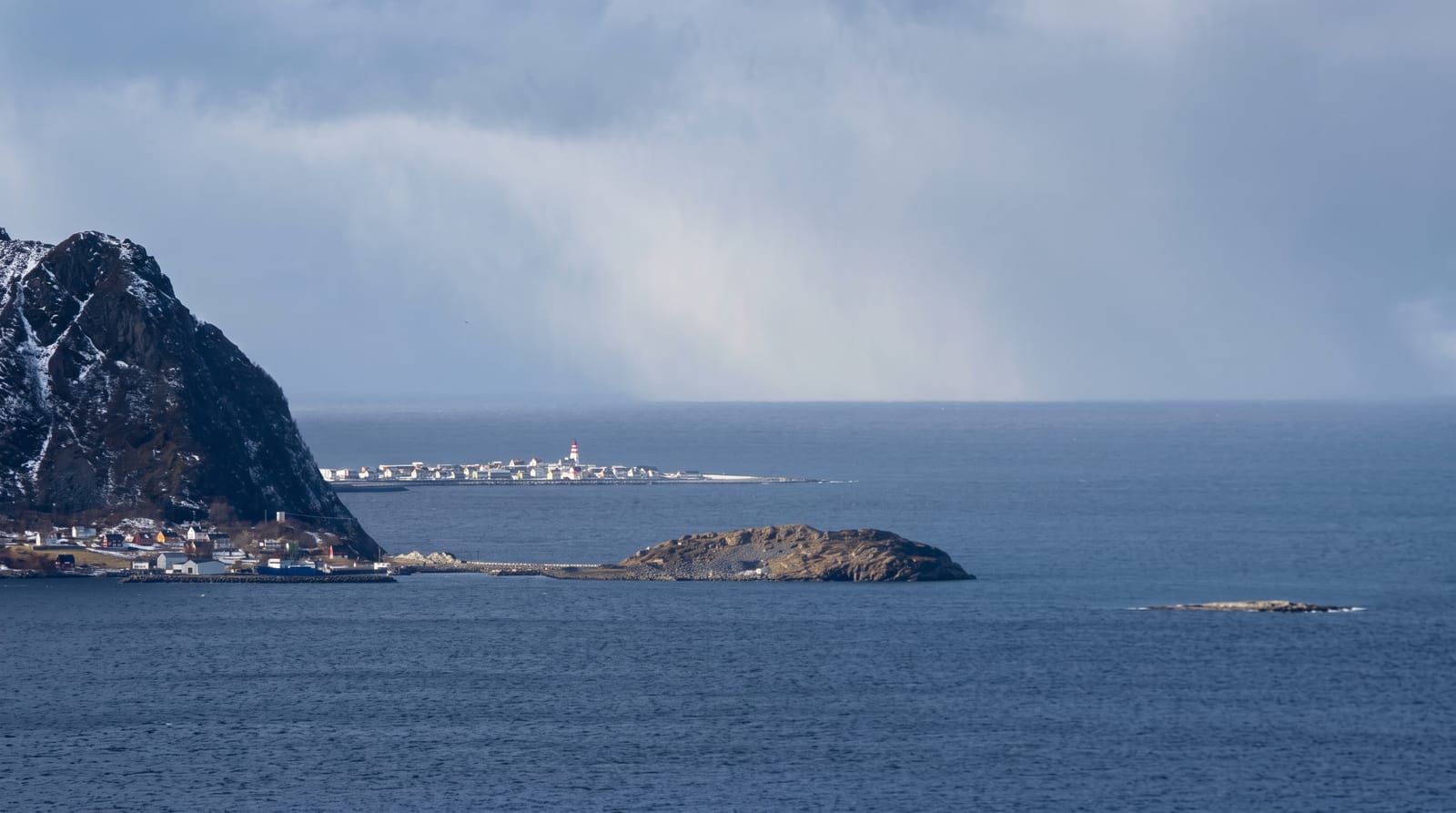
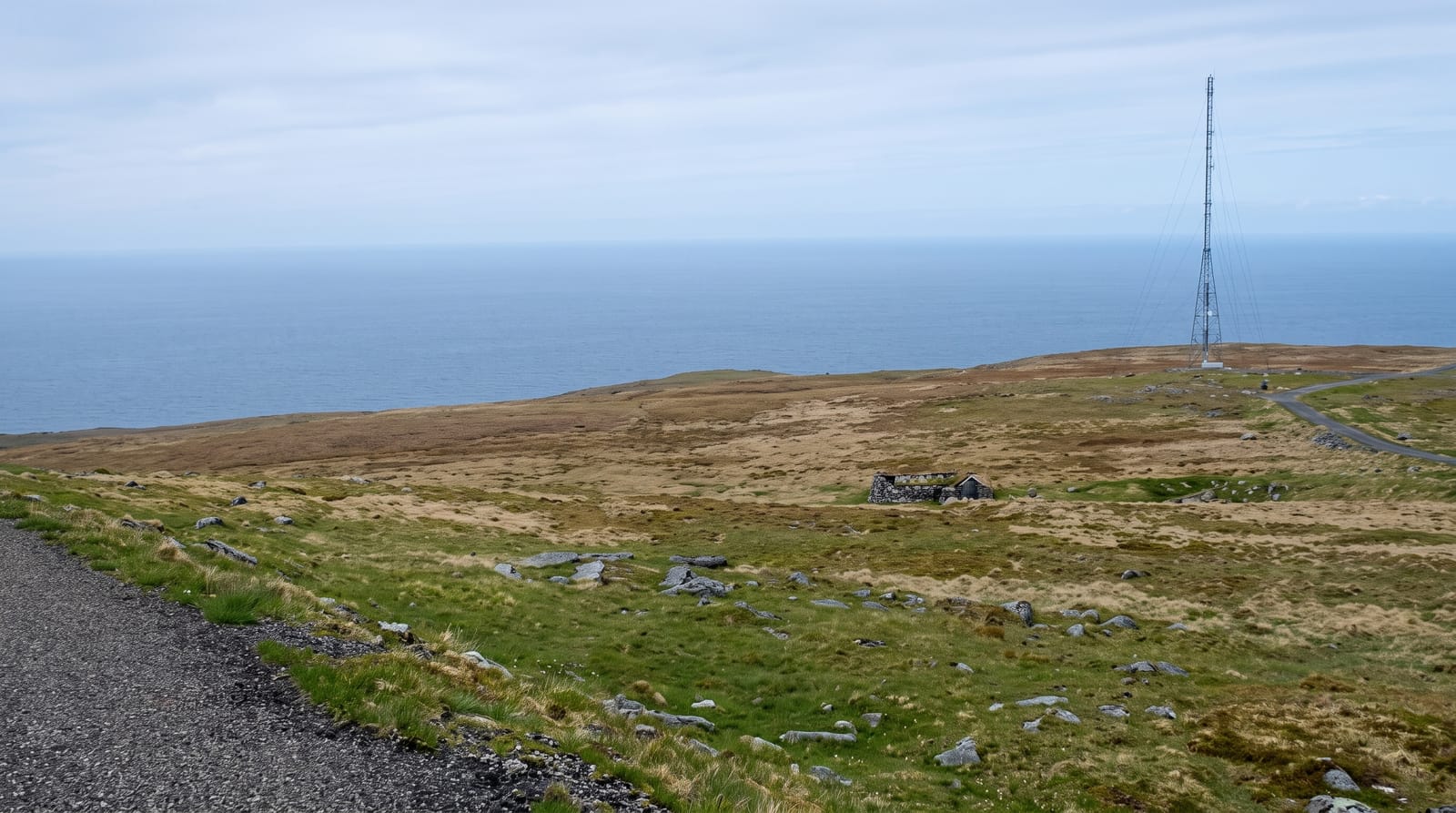
Runde Island
Norway's southernmost large seabird colony, with puffins, gannets and kittiwakes nesting in cliffs an hour from Alesund.
Updated 21 October 2026
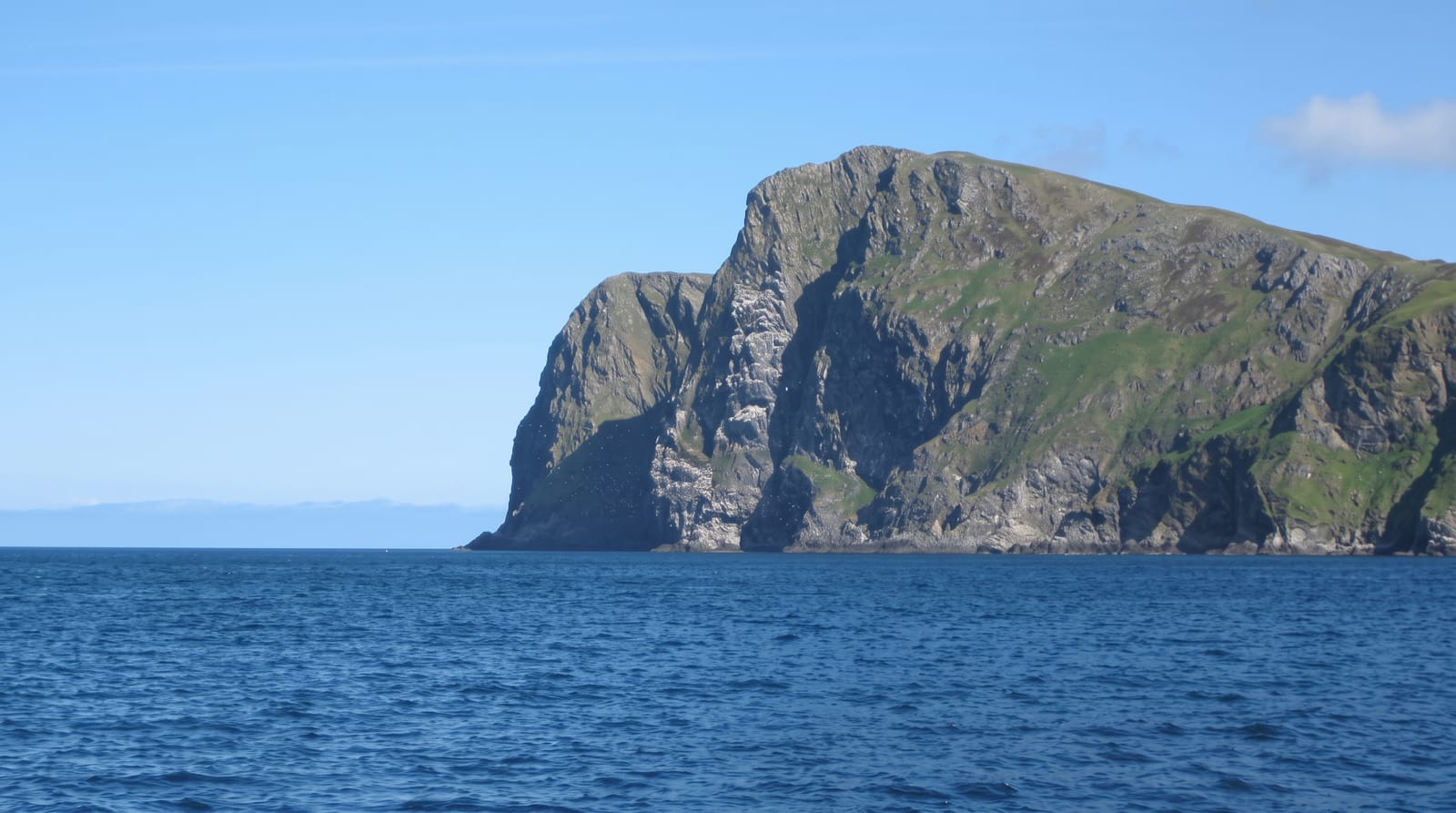
AI illustration
Runde holds around half a million nesting seabirds through the spring and summer, which makes it the largest colony south of the Arctic Circle in Norway and the most accessible: a road bridge connects the island to the mainland, and a marked path climbs from the car park at Goksoyr over the hill to the cliffs in about an hour. Puffins are the draw, arriving in April and gathering on the slopes above their burrows in the evening; gannets, kittiwakes, guillemots, razorbills and fulmars nest on the ledges below, and white-tailed eagles patrol the coast. Boat trips run beneath the cliffs from the harbour. The Runde Environmental Centre on the island runs research and a small exhibition.
History
The Dutch merchant ship Akerendam sailed from Texel on 19 January 1725 for Batavia with gold and silver coins, and went down off the north side of Runde with her whole crew of 200; four chests were salvaged that summer, and the wreck was forgotten. Divers rediscovered it in 1972, and about 57,000 coins were found, 6,600 of them gold (Wikipedia, Runde).
What you'll find
- The puffin slopes - burrow colonies most active in the evening.
- The gannet ledges - a large colony on the cliff faces.
- The clifftop path - a marked route from the car park to the viewpoints.
- The boat trips - passages beneath the colonies from sea level.
When to go
April to early August; puffins arrive in April and most leave by early August, with June and July the peak for activity. Evenings are best for puffins on the slopes. Weather is exposed and wet at any time.
Before you go
The walk to the cliffs is a steady uphill on a boggy path, and in wind the clifftop is dangerous with unfenced drops. Bird numbers vary year to year and have declined at some colonies. There are very limited facilities on the island.
Nearby
Alesund and its art nouveau centre are an hour east; the Sunnmore Alps rise inland.
Key facts
Source: Wikidata, item Q980145, read on 18 October 2026.
What to pack for Runde Island
Chosen from what this place is for. Tap a kit for the full checklist.
- Broken-in walking shoes or boots - Grip and ankle support matter more than looks; never hike in brand-new boots. Find on Amazon
- Your own mask + snorkel - A well-fitting mask is the single biggest comfort upgrade underwater. Find on Amazon
- Warm base layers - Merino or synthetic against the skin - never cotton, which chills when damp. Find on Amazon
- Layers + a waterproof shell - Mountain weather turns fast; a packable rain jacket saves the day. Find on Amazon
Some links on this page are Amazon affiliate links - if you buy through them we may earn a small commission at no extra cost to you.
All packing kitsPlan your trip
Where to start if Runde Island is going on the list.
Booking links on this page are affiliate links - if you book through them we may earn a small commission at no extra cost to you. It never changes what we write about a place.
Opening times, ticket prices and seasonal closures change - check the official source before you go: official site.