The Maroon River Villages
A living African heritage in the jungle - the riverside villages of the Maroons, descendants of enslaved Africans who escaped to freedom in the rainforest, preserving a vibrant West African-rooted culture along the Upper Suriname River.
Updated 18 October 2026
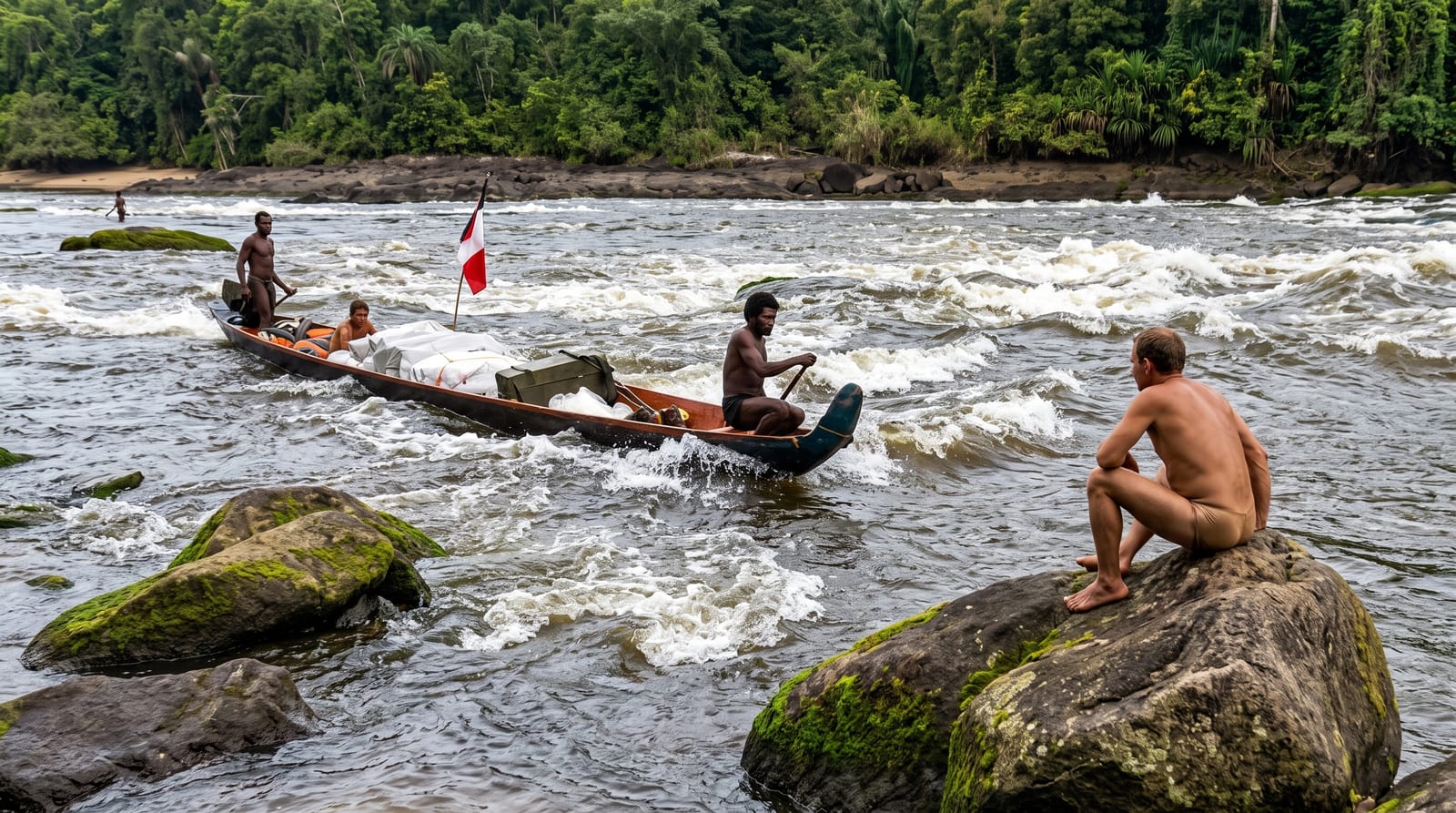
AI illustration
Along the rivers of Suriname's rainforest interior live the Maroons, the descendants of enslaved Africans who escaped the coastal plantations in the seventeenth and eighteenth centuries and fought for their freedom in the jungle, forming independent communities that endure to this day. Their villages along the Upper Suriname River preserve one of the most vibrant surviving African-rooted cultures in the Americas, rich in distinctive wood carving, drumming, dance and traditions. Visiting, reached by dugout canoe, offers a rare and moving encounter with this proud culture, staying in riverside eco-lodges amid the forest.
History
The villages of the Upper Suriname River belong mostly to the Saamaka, or Saramaka, one of Suriname's six Maroon peoples. Their ancestors were Africans - Akan, Bakongo, Fon and others - sold to plantations in Suriname in the late 17th and early 18th centuries, who escaped into the rainforest alone, in small groups or in mass revolts and fought for almost a hundred years; late 18th-century maps show the colony's defences against their raids. In 1762, a full century before slavery was abolished in Suriname, they won their freedom by a treaty with the Dutch recognising their territory and trading rights, and lived almost as a state within a state until the mid-20th century. In 2007 the Inter-American Court of Human Rights upheld their rights to the lands they have long occupied (Wikipedia, Saramaka).
What's there
- The Maroon villages - the riverside communities and their culture.
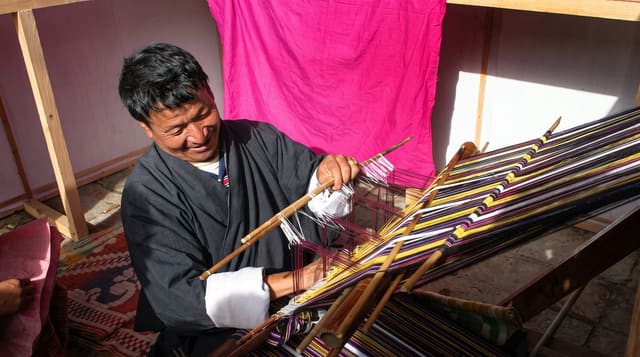
- The wood carving - the distinctive Maroon art and craft.
- The drumming and dance - the vibrant African-rooted traditions.
- The river journey - the trip by dugout canoe through the jungle.
When to go
The drier periods, roughly February to April and August to November, are best for river travel; the villages are reached by road to a river port and then by dugout canoe, usually as part of an organised trip staying at riverside eco-lodges, which combines cultural encounters with rainforest activities.
Things to know
These are living communities, not a spectacle, so visits should be respectful, arranged through proper channels and eco-lodges that benefit the villages, and cultural performances, while genuine, are shared on the community's terms; access is by river and facilities are simple. As a rare, moving encounter with a proud culture forged in the struggle for freedom and one of the most intact African heritages in the Americas, though, it is deeply rewarding and unique.
Nearby
The rainforest interior, its rapids and the Brownsberg reserve are within reach.
What to pack for The Maroon River Villages
Chosen from what this place is for. Tap a kit for the full checklist.
- Quick-dry clothing - Board shorts or synthetics that shrug off spray and dry fast. Find on Amazon
- Strong insect repellent - DEET or picaridin; the jungle is where bites and disease risk are highest. Find on Amazon
- Comfortable walking shoes - Sightseeing means kilometres of pavement and cobbles daily. Find on Amazon
- Secure water shoes or reef boots - Grip on slippery launches and protection on rocky shores. Find on Amazon
Some links on this page are Amazon affiliate links - if you buy through them we may earn a small commission at no extra cost to you.
All packing kitsPlan your trip
Where to start if The Maroon River Villages is going on the list.
Booking links on this page are affiliate links - if you book through them we may earn a small commission at no extra cost to you. It never changes what we write about a place.
Opening times, ticket prices and seasonal closures change - check the official source before you go: official site.