San Martin de Fromista
A textbook Romanesque church on the Camino in Palencia, restored so thoroughly that it reads as a diagram of the style.
Updated 21 October 2026

AI illustration
UNESCO World Heritage
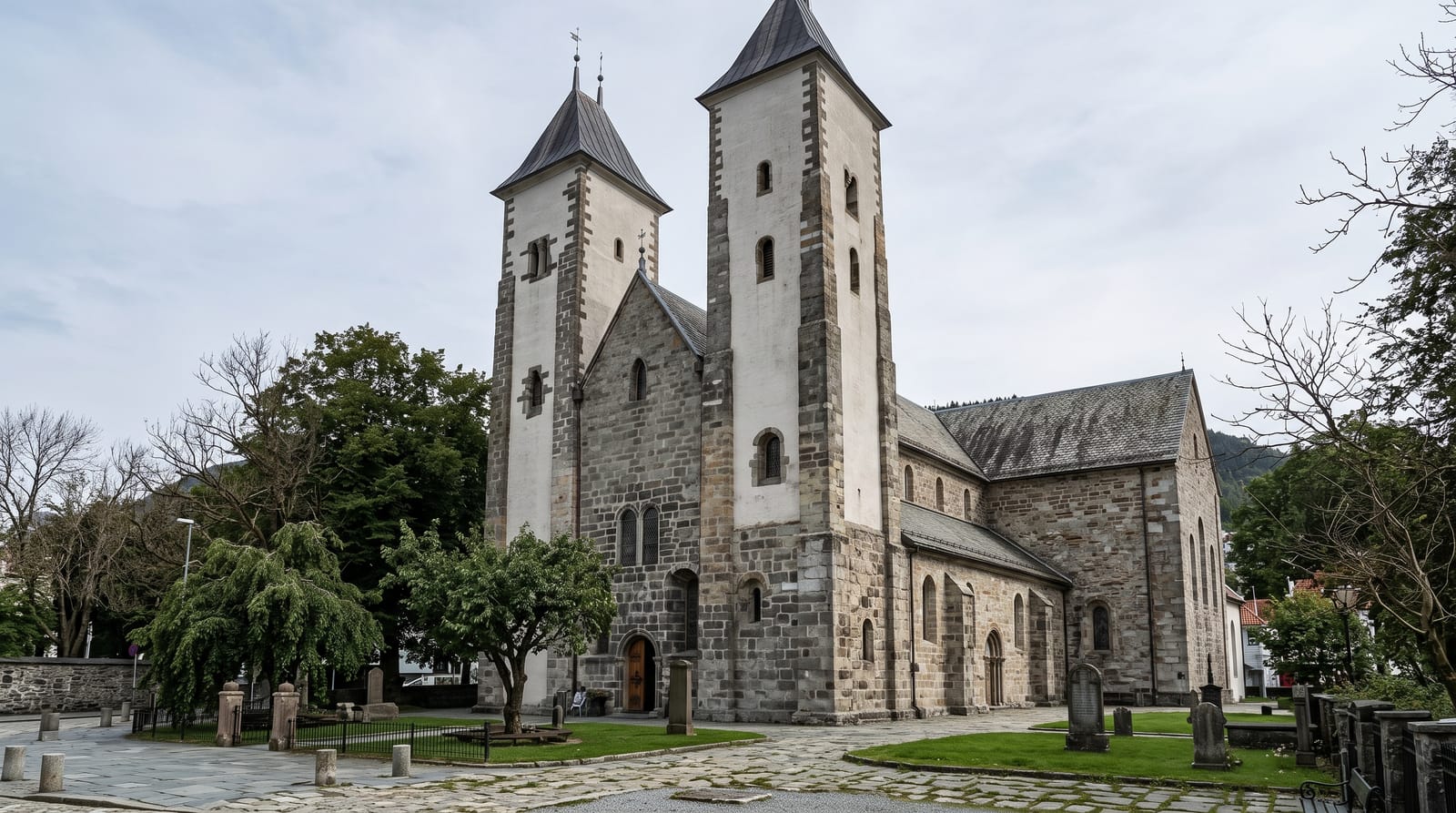
San Martin was built in the eleventh century, traditionally dated from a bequest of 1066, as part of a monastery on the pilgrim route, and it is a compact and complete example of the Romanesque of the Camino: three naves, a transept, three apses, an octagonal lantern tower and two cylindrical turrets at the west end, with over three hundred carved corbels running under the eaves depicting animals, musicians, monsters and figures of considerable coarseness. It was deconsecrated and left ruinous in the nineteenth century, then restored between 1894 and 1904 in a thorough reconstruction that removed later additions and rebuilt what was lost, which is why it looks so clean and why specialists argue about how much is original.
History
The church was begun in the second half of the 11th century at the wish of Queen Muniadona of Castile, as part of a monastery that has since disappeared; it is first mentioned in 1066 and is related in style to other Romanesque buildings of the Way of St James, such as Jaca Cathedral and San Isidoro in León. In 1118 it was given to the Benedictine priory of San Zoilo at Carrión de los Condes, the monks left in the 13th century, and in the 15th century it gained a bell tower over the dome and a sacristy. It decayed after the Middle Ages and in the 19th century was declared unfit for worship; in 1894 it was made a national monument and a restoration began that removed the later additions, and it reopened in 1904 (Wikipedia, Church of Saint Martin of Tours, Frómista).
Highlights
- The carved corbels - over three hundred figures under the eaves.
- The complete Romanesque plan - three naves, transept and three apses.
- The lantern tower - an octagonal drum over the crossing.
- The 1900s restoration - a reconstruction that shaped how it now appears.
When to go
April to June and September to November; the Palencia plain is very hot in summer and cold in winter. Pilgrim traffic on the Camino peaks from May to September. Hours include a long midday break.
Good to know
The heavy restoration means much of what is visible is early twentieth century rather than medieval, a point the site acknowledges. The church is small and the visit takes under an hour. Fromista is a small town with limited services.
Nearby
The Camino Frances passes through; Carrion de los Condes and the Canal de Castilla are close.
Key facts
Source: Wikidata, item Q2858167, read on 18 October 2026.
What to pack for San Martin de Fromista
Chosen from what this place is for. Tap a kit for the full checklist.
- Comfortable walking shoes - Sightseeing means kilometres of pavement and cobbles daily. Find on Amazon
- Modest clothing - Shoulders and knees covered - the single most common requirement. Find on Amazon
- A slim anti-theft daypack - Zips that close properly; keep it in front in crowds and on transit. Find on Amazon
- A scarf or shawl - To cover the head or shoulders on entry; women especially at mosques. Find on Amazon
Some links on this page are Amazon affiliate links - if you buy through them we may earn a small commission at no extra cost to you.
All packing kitsPlan your trip
Where to start if San Martin de Fromista is going on the list.
Booking links on this page are affiliate links - if you book through them we may earn a small commission at no extra cost to you. It never changes what we write about a place.
Opening times, ticket prices and seasonal closures change - check the official source before you go: official site.