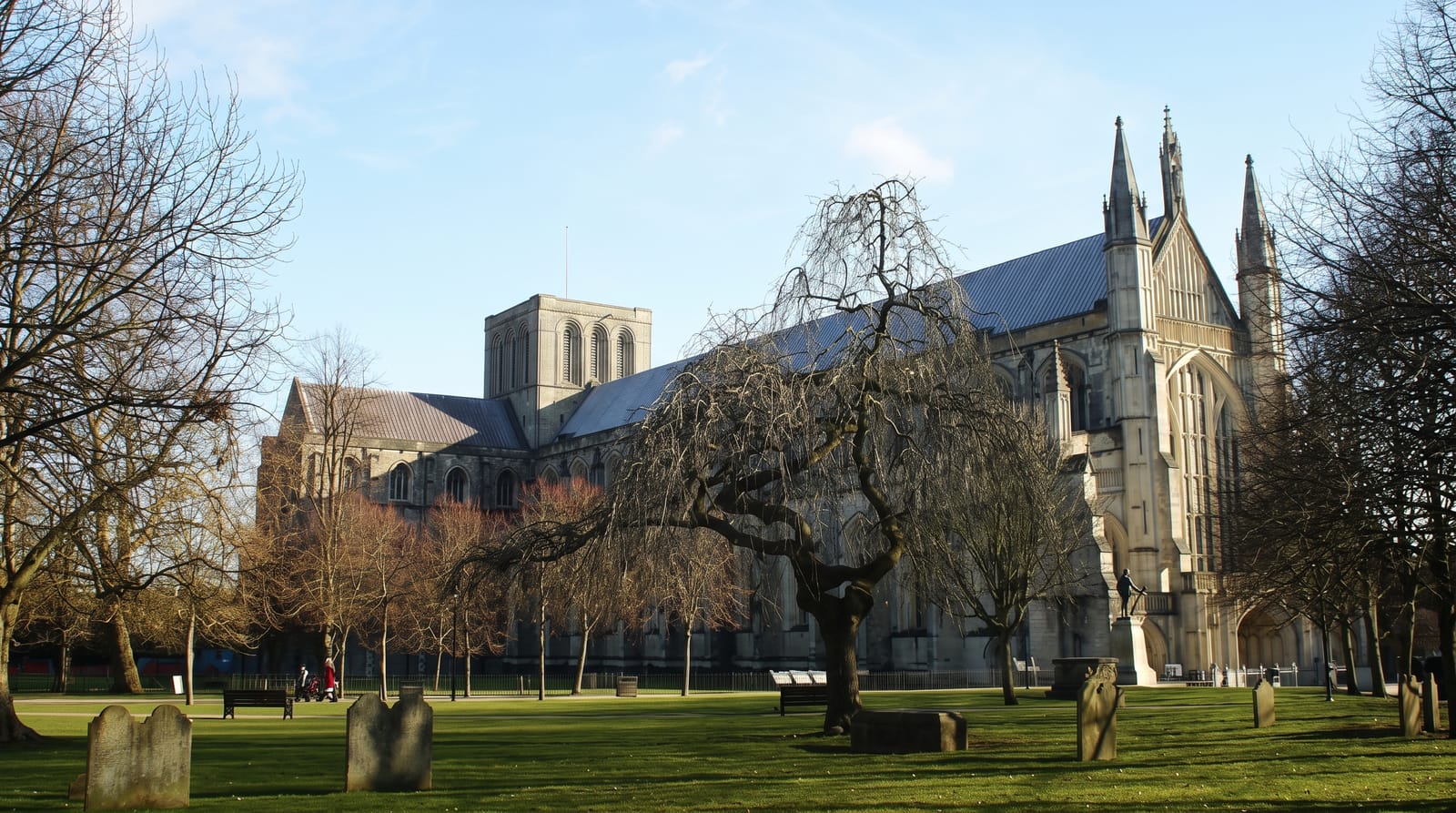
Murcia Cathedral
A Gothic cathedral behind one of the finest baroque facades in Spain, with a bell tower of ninety-three metres.
Updated 4 September 2026
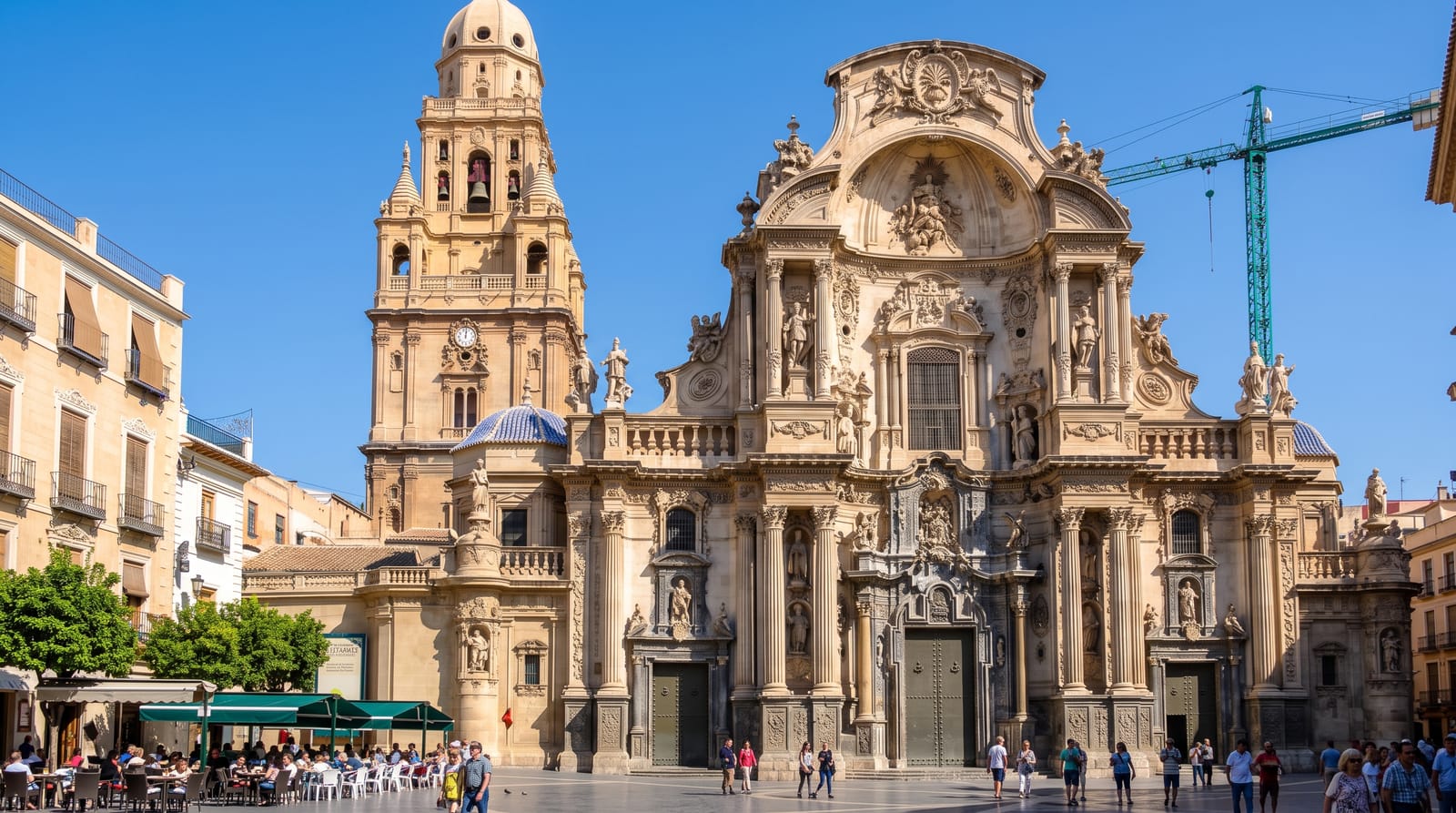
AI illustration
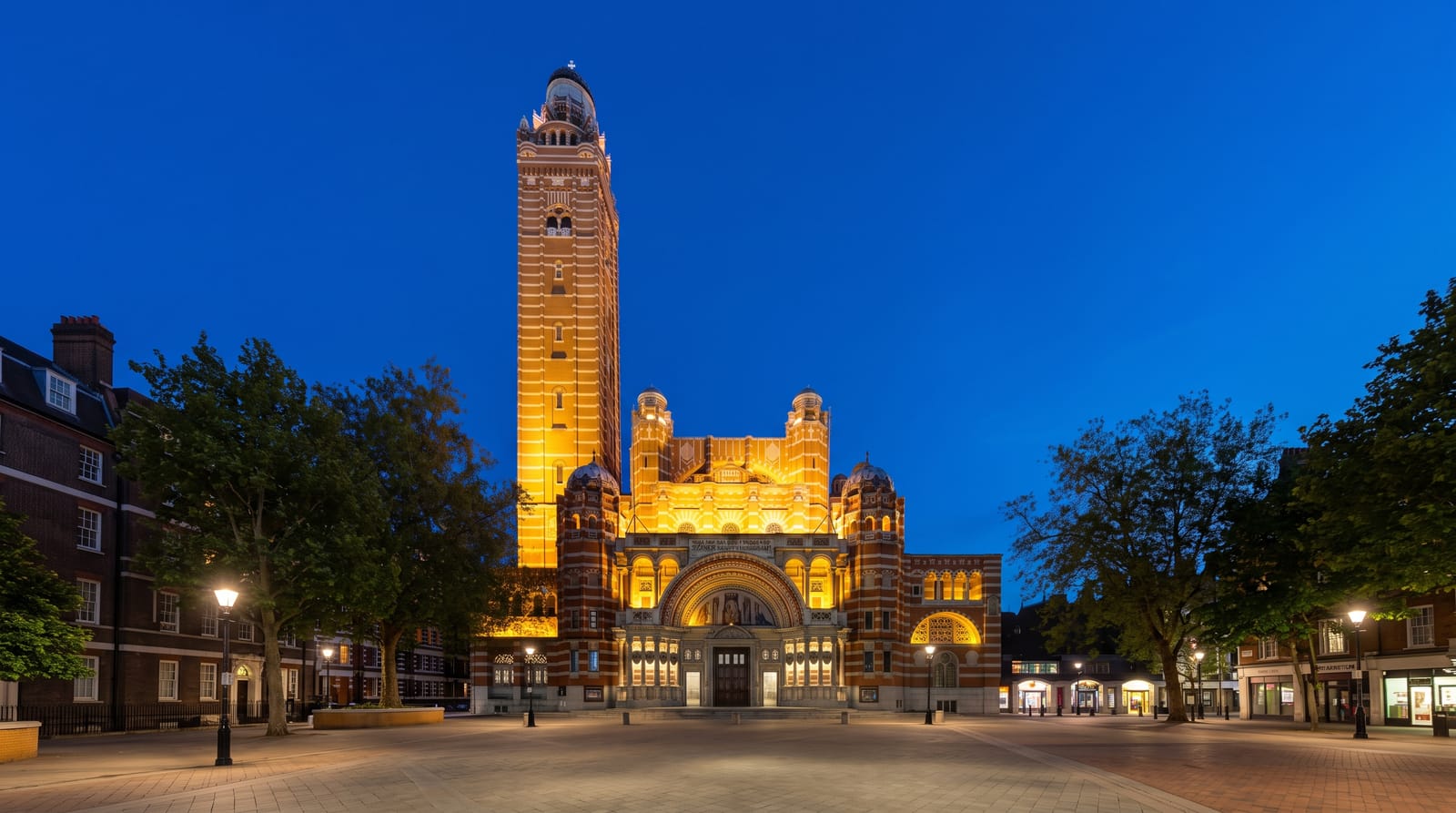
Murcia cathedral was begun in 1394 in Gothic style and finished over four centuries, which left it a composite: a Gothic body, a Renaissance chapel, and a west facade completed in 1754 by Jaime Bort that is among the best baroque work in Spain, a concave and convex screen of sculpture and broken pediments rising above the square. The Capilla de los Velez, built between 1490 and 1507, has an extraordinary star-vaulted decagonal interior in late Gothic. The bell tower, at ninety-three metres, is the second tallest in Spain and was built in five stages over two centuries, each in the style of its period, so climbing it passes from Renaissance through baroque. The heart of Alfonso X is buried in the cathedral.
The main sights
- The baroque facade - a 1754 screen of sculpture by Jaime Bort.
- The Capilla de los Velez - a decagonal chapel with a star vault.
- The bell tower - ninety-three metres built in five stages over two centuries.
- The Gothic nave - the fourteenth-century body behind the later front.
When to go
March to June and October to November; Murcia is among the hottest cities in Spain in summer. The tower climb is unshaded and closes in extreme heat. Services close the nave periodically.
Good to know
The tower is a long climb of ramps and stairs with limited openings. The interior is dark and the chapel often gated. Murcia sees relatively few visitors and services are geared to residents.
Nearby
The Real Casino and the Segura riverfront are close; Caravaca and Lorca lie west.
Key facts
Source: Wikidata, item Q2419290, read on 18 October 2026.
What to pack for Murcia Cathedral
Chosen from what this place is for. Tap a kit for the full checklist.
- Comfortable walking shoes - Sightseeing means kilometres of pavement and cobbles daily. Find on Amazon
- Modest clothing - Shoulders and knees covered - the single most common requirement. Find on Amazon
- A slim anti-theft daypack - Zips that close properly; keep it in front in crowds and on transit. Find on Amazon
- A scarf or shawl - To cover the head or shoulders on entry; women especially at mosques. Find on Amazon
Some links on this page are Amazon affiliate links - if you buy through them we may earn a small commission at no extra cost to you.
All packing kitsPlan your trip
Where to start if Murcia Cathedral is going on the list.
Booking links on this page are affiliate links - if you book through them we may earn a small commission at no extra cost to you. It never changes what we write about a place.
Opening times, ticket prices and seasonal closures change - check the official source before you go: official site.