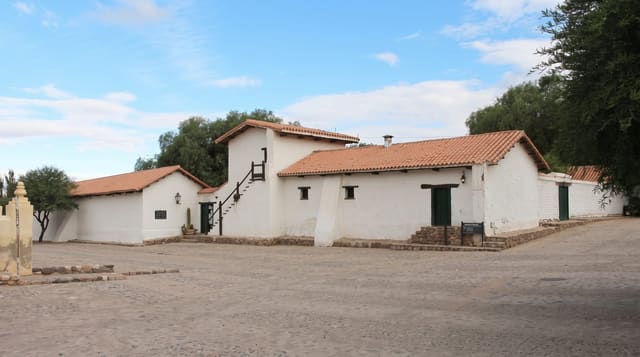
Mijas Pueblo
A white village on a mountainside above the Costa del Sol, with a chapel cut into rock and a long-running donkey taxi trade.
Updated 21 October 2026

AI illustration
Mijas Pueblo sits at about four hundred metres on the flank of the Sierra de Mijas, close enough to the coast to see the whole Costa del Sol and Gibraltar on a clear day, and far enough up to have kept its village form while the resorts below expanded. The lanes are whitewashed and hung with flowers, and the centre holds the Ermita de la Virgen de la Pena, a chapel carved into the rock by a Carmelite brother between 1656 and 1682, along with a small bullring squeezed onto the hillside. The burro taxis, donkeys pulling carts and carrying riders, began in the late 1950s, when tourists asked quarry workers riding home for photographs and rides; there are now around sixty donkeys, and they are the village's best-known image.
The main sights
- The rock chapel - the Ermita carved into the hillside in the seventeenth century.
- The bullring - a small ring squeezed onto the hillside.
- The coastal panorama - the Costa del Sol and, on clear days, Africa.
- The donkey taxis - carts and rides running since the late 1950s.
When to go
Spring and autumn for comfortable walking; the village is busiest with coach groups between eleven and four. Summer is hot and crowded. Evening is quieter once the day trips leave.
Before you go
The centre is given over to souvenir shops and coach tourism, and it can feel packaged. Parking fills early and the lanes are steep.
Nearby
Fuengirola and its bioparc are below; Marbella and Estepona lie west along the coast.
Key facts
Source: Wikidata, item Q6845457, read on 18 October 2026.
What to pack for Mijas Pueblo
Chosen from what this place is for. Tap a kit for the full checklist.
- Comfortable walking shoes - Sightseeing means kilometres of pavement and cobbles daily. Find on Amazon
- A slim anti-theft daypack - Zips that close properly; keep it in front in crowds and on transit. Find on Amazon
- A refillable water bottle - Many cities have public fountains; save money and plastic. Find on Amazon
- A light layer + compact umbrella - For museum air-con and a sudden shower. Find on Amazon
Some links on this page are Amazon affiliate links - if you buy through them we may earn a small commission at no extra cost to you.
All packing kitsPlan your trip
Where to start if Mijas Pueblo is going on the list.
Booking links on this page are affiliate links - if you book through them we may earn a small commission at no extra cost to you. It never changes what we write about a place.
Opening times, ticket prices and seasonal closures change - check the official source before you go: official site.