Galician Percebes
Goose barnacles prised off Atlantic rocks between waves by gatherers working one of the most dangerous jobs in Spain.
Updated 21 October 2026
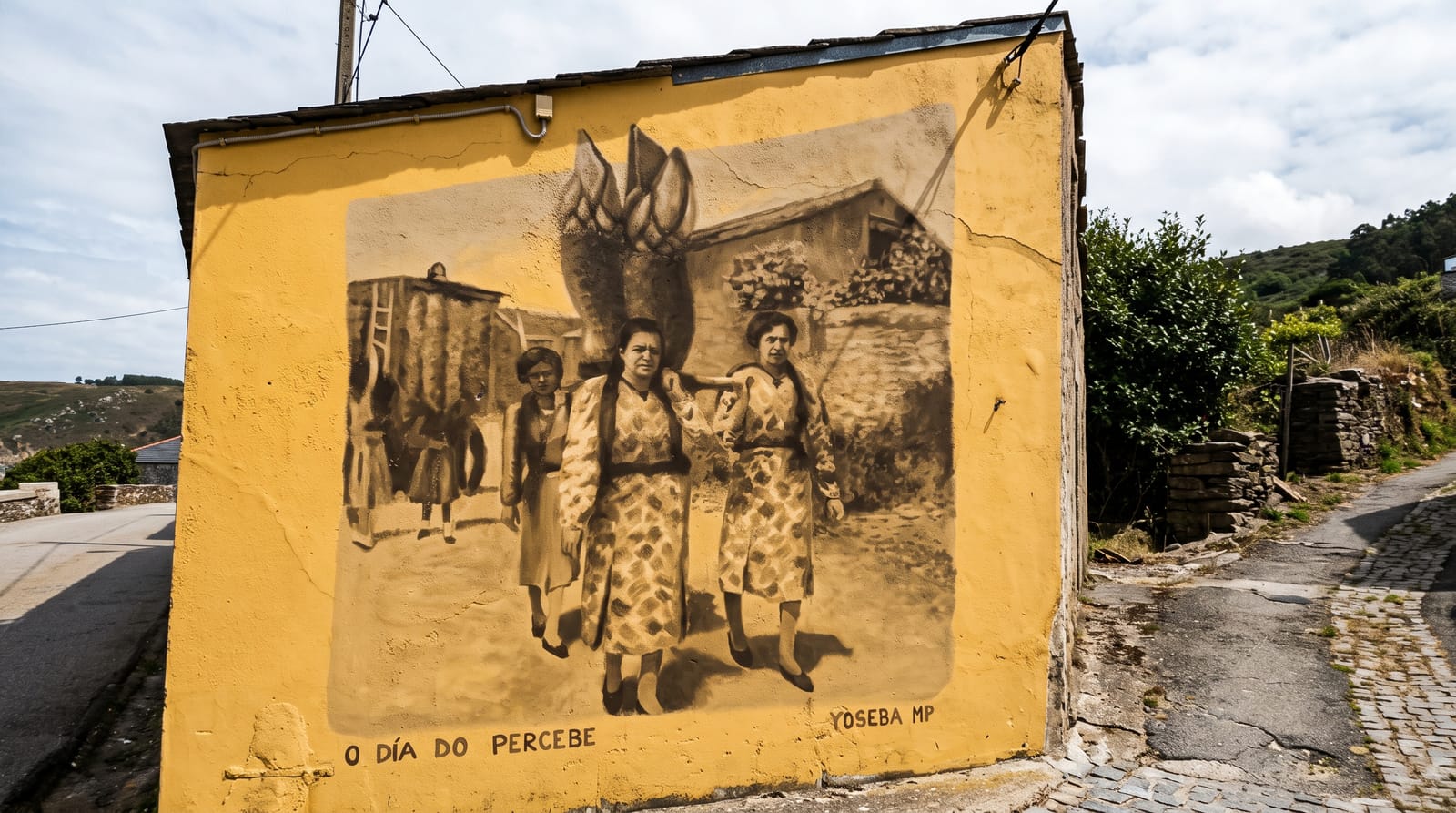
AI illustration
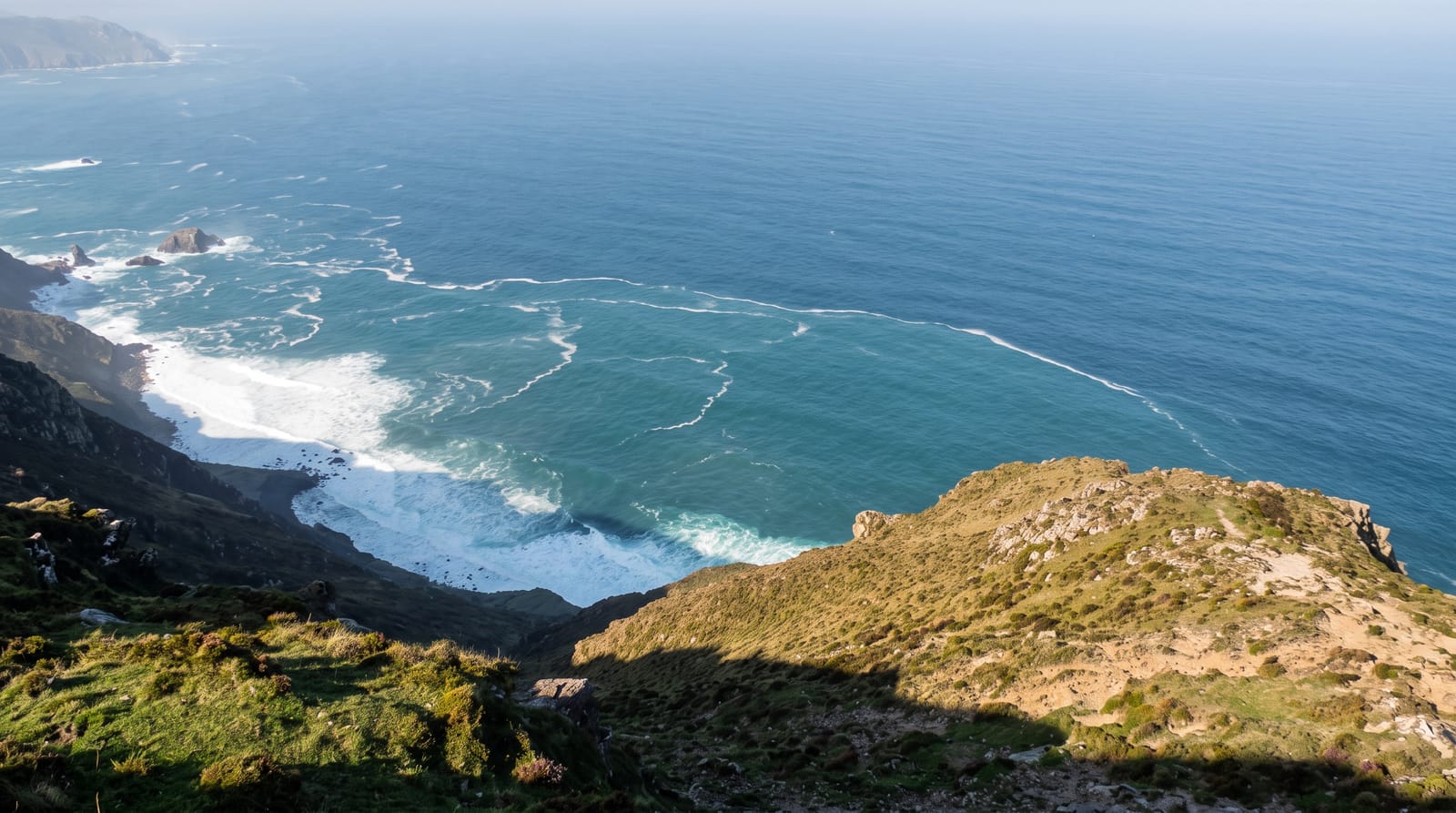
Percebes grow on rock exposed to the heaviest surf, since they feed on what the waves bring, and the best come from the most violent stretches of the Costa da Morte. Gathering them, percebeiro work, means going onto those rocks at low tide with a scraper, timing the sets, and prising clusters off between waves; it is among the most dangerous work on this coast, and the licences are strictly limited and locally allocated. The result is a barnacle with a leathery stalk and a hoof-like plate, boiled briefly in salted water or seawater and eaten by pulling the stalk apart and taking the flesh out. Prices are high year-round and spike before Christmas, when they can exceed two hundred euros a kilo for the best.
The main sights
- The gatherers - percebeiros working exposed rock between waves at low tide.
- The clusters - barnacles growing packed on surf-battered stone.
- The brief cooking - boiled in salted water and served hot in a heap.
- The Christmas prices - a spike to several hundred euros a kilo in December.
When to go
Year-round in restaurants and markets; December sees the highest prices and demand. The Costa da Morte towns, particularly Corme and Cedeira, hold percebe festivals in summer.
What to expect
They are expensive and sold by weight, so a portion adds up quickly. Much of the weight is inedible shell and stalk. Cheaper percebes are often imported from Morocco or Canada and are noticeably inferior.
Nearby
The Costa da Morte villages of Corme, Camarinas and Cedeira are the main gathering areas.
What to pack for Galician Percebes
Chosen from what this place is for. Tap a kit for the full checklist.
- Quick-dry clothing - Board shorts or synthetics that shrug off spray and dry fast. Find on Amazon
- A reusable bag or container - For market produce and cutting down on packaging. Find on Amazon
- Secure water shoes or reef boots - Grip on slippery launches and protection on rocky shores. Find on Amazon
- Wet wipes + hand sanitiser - Street food and washbasins do not always go together. Find on Amazon
Some links on this page are Amazon affiliate links - if you buy through them we may earn a small commission at no extra cost to you.
All packing kitsPlan your trip
Where to start if Galician Percebes is going on the list.
Booking links on this page are affiliate links - if you book through them we may earn a small commission at no extra cost to you. It never changes what we write about a place.
Opening times, ticket prices and seasonal closures change - check the official source before you go: official site.