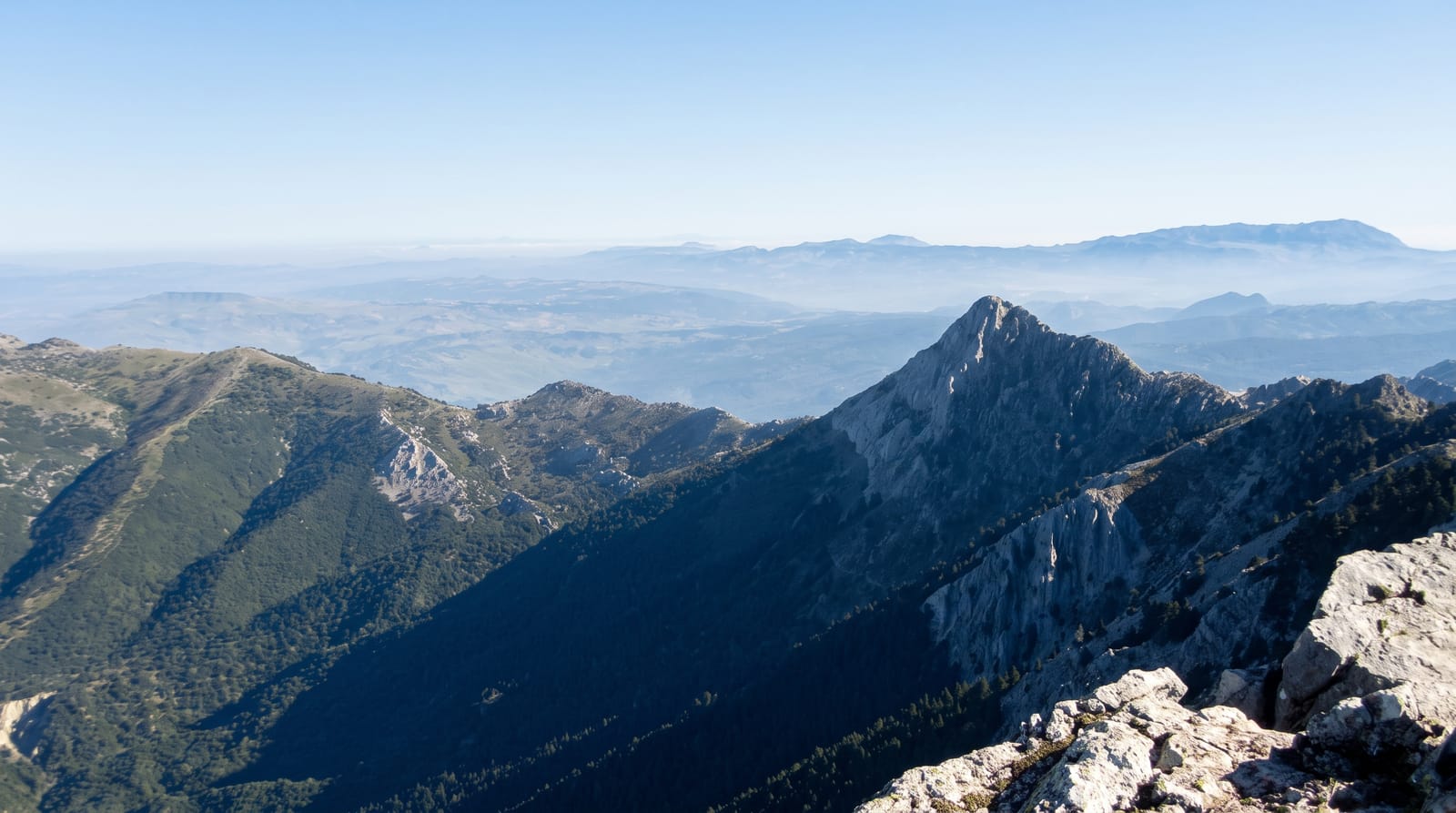
Cueva de la Pileta
A cave near Ronda with paintings up to 30,000 years old, still shown by lamplight by the family that found it.
Updated 21 October 2026
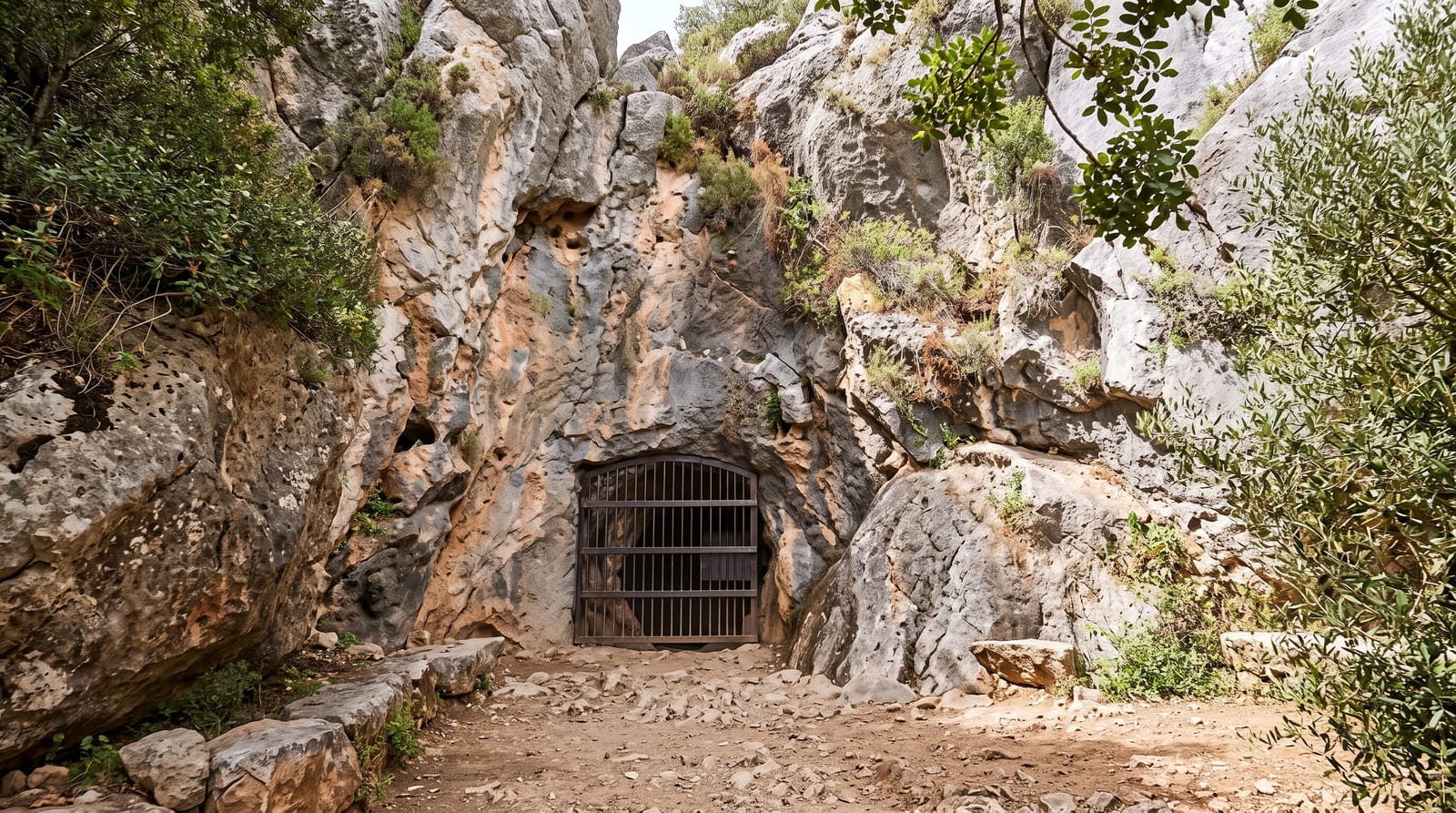
AI illustration
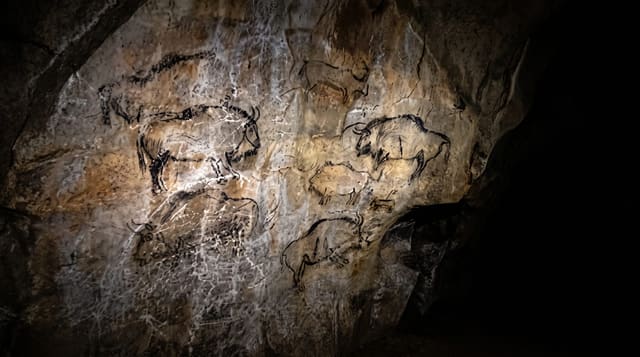
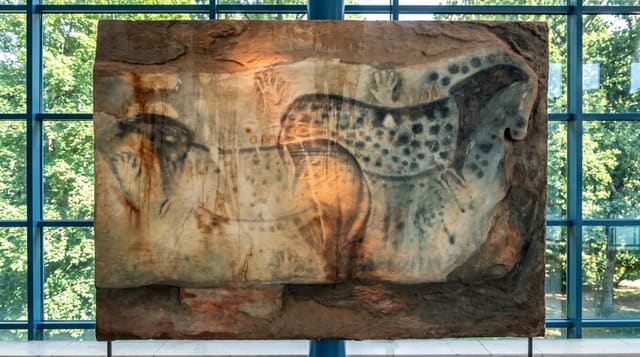
A local farmer, Jose Bullon Lobato, entered the cave in 1905 looking for bat guano to use as fertiliser and found paintings; his descendants still own the land and run the visits, which is unusual and gives the tour a particular character. The cave holds art spanning a very long period, from Upper Palaeolithic animal figures in black and red, including horses, deer, a fish and what may be a seal, to later Neolithic symbols and marks, with dates for the oldest work reaching around 30,000 years. The French prehistorian Henri Breuil studied it soon after and recorded nearly fifty drawings. There is no electric lighting: visitors carry gas lamps, which is how the paintings were meant to be seen and which makes the experience closer to the original than in most decorated caves.
The main sights
- The Palaeolithic animals - horses, deer and a large fish in black and red.
- The lamp-lit tour - visitors carrying gas lamps rather than electric light.
- The Neolithic marks - later symbols and signs overlying the older work.
- The family guides - descendants of the 1905 discoverer running the visits.
When to go
Spring and autumn; the mountain road is easier in good weather and the cave is cool year-round. Groups are capped at around twenty-five and tours must be booked, often days ahead in season.
Things to know
Booking is essential and walk-up entry is usually refused. Photography is prohibited entirely. The floor is uneven with steps and the lamps give limited light, so it is not suitable for anyone unsteady. The access road is narrow and winding.
Nearby
Ronda and its gorge lie twenty kilometres east; Benaojan and the Grazalema park surround the cave.
Key facts
Source: Wikidata, item Q97688683, read on 18 October 2026.
What to pack for Cueva de la Pileta
Chosen from what this place is for. Tap a kit for the full checklist.
- Head torch + spare batteries - Hands-free light is essential; caves are truly dark. Find on Amazon
- Comfortable walking shoes - Sightseeing means kilometres of pavement and cobbles daily. Find on Amazon
- Grippy closed shoes - Cave floors are wet, muddy and slick with formations. Find on Amazon
- A slim anti-theft daypack - Zips that close properly; keep it in front in crowds and on transit. Find on Amazon
Some links on this page are Amazon affiliate links - if you buy through them we may earn a small commission at no extra cost to you.
All packing kitsPlan your trip
Where to start if Cueva de la Pileta is going on the list.
Booking links on this page are affiliate links - if you book through them we may earn a small commission at no extra cost to you. It never changes what we write about a place.
Opening times, ticket prices and seasonal closures change - check the official source before you go: official site.