Ganghwa Hwamunseok
Sedge mats woven on Ganghwa island with the pattern built into the weave rather than dyed on top.
Updated 25 August 2026
Hwamunseok are floor mats woven from wangol, a sedge grown on Ganghwa's flats, and what separates them from ordinary matting is that the pattern is not printed or applied - dyed sedge strands are worked into the weave itself as it is made, so the design exists through the thickness of the mat and appears on the face without a backing layer. The craft is done on a fixed frame with the weaver picking strands by hand, and a large patterned mat is weeks of work. Ganghwa has been the centre since the Goryeo court moved to the island in the thirteenth century, and the mats were tribute and export goods. A craft hall on the island demonstrates the weaving, shows historical pieces and sells current work; short workshops make a coaster or small mat. It combines with the island's other draws - the dolmens, the fortifications along the coast, Jeondeungsa temple.
What you'll find
- The pattern in the weave - dyed sedge worked in, not printed on.
- The hand picking - strand-by-strand work on a fixed frame.
- The craft hall - demonstrations, historical mats and current work.
- The short workshops - a coaster or small mat to take away.
When to go
April to June and September to November. Weekdays are when weavers are usually at work. Ganghwa is a long bus ride from Seoul - allow most of a day if combining with the island's other sites.
What to expect
The craft hall is modest and demonstrations depend on who is working that day. A full patterned mat is expensive for good reason. Signage in English is limited.
Nearby
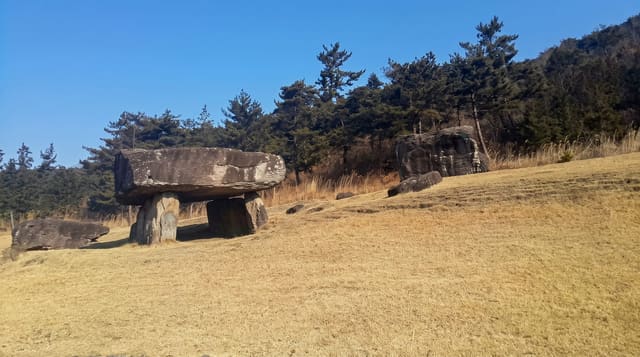
The Ganghwa dolmen site, Jeondeungsa and the coastal fortifications are on the island.
What to pack for Ganghwa Hwamunseok
Chosen from what this place is for. Tap a kit for the full checklist.
- Comfortable walking shoes - Sightseeing means kilometres of pavement and cobbles daily. Find on Amazon
- Modest clothing - Shoulders and knees covered - the single most common requirement. Find on Amazon
- A slim anti-theft daypack - Zips that close properly; keep it in front in crowds and on transit. Find on Amazon
- A scarf or shawl - To cover the head or shoulders on entry; women especially at mosques. Find on Amazon
Some links on this page are Amazon affiliate links - if you buy through them we may earn a small commission at no extra cost to you.
All packing kitsPlan your trip
Where to start if Ganghwa Hwamunseok is going on the list.
Booking links on this page are affiliate links - if you book through them we may earn a small commission at no extra cost to you. It never changes what we write about a place.
Opening times, ticket prices and seasonal closures change - check the official source before you go: official site.