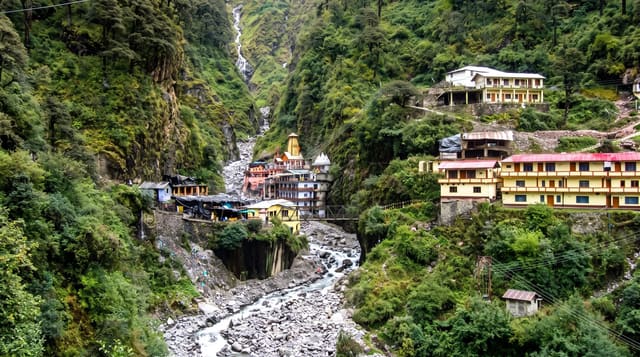
Daeheungsa Temple
A UNESCO monastery under Duryunsan at the far south-west, and the home ground of Korean tea culture.
Updated 18 October 2026
UNESCO World Heritage
Daeheungsa sits in a wooded bowl below Duryunsan in Haenam, near the southern tip of the peninsula, and is one of the seven Sansa inscribed by UNESCO in 2018. Its compound is unusually spread out, divided by a stream into northern and southern groups with no single dominating axis. The monk Seosan Daesa, who organised monastic militia during the sixteenth-century invasions, is commemorated here in a memorial hall, and his robe and possessions are kept in the temple museum. The other line of interest is tea: Choui, the nineteenth-century monk who wrote the standing Korean treatise on tea and revived its practice, lived at the Ilijiam hermitage above the temple, and the hillsides still carry tea. The signboard over one gate was written by Kim Jeong-hui, the calligrapher. The valley approach passes an old wooden bridge and long stands of maple.
History
The temple is believed to date from the Three Kingdoms period, and though no record of its founding survives, some hold that the monk Ado founded it in 514; it was first called Handeumjeol after the mountain's old name, Handeum, which in Chinese characters became Daedum and later Daeheung, while the mountain came to be called Duryun. It drew little attention until 1592, when the monk Seosan Daesa organised and trained a guerrilla army of 5,000 monks here to defend the country during the Imjin War (Wikipedia, Daeheungsa).
What to look for
- The split compound - two halves either side of the stream.
- The memorial hall - Seosan Daesa's relics and portrait.
- Ilijiam hermitage - the tea master's retreat above.
- The maple valley - the approach walk from the gate.
When to go
April to June and October. Autumn colour in the valley is the local draw. Weekday mornings are quiet - it is far enough south to be off most itineraries.
What to expect
Ticketed, with a long walk in from the gate. The hermitage above involves a further climb. It is a working monastery under UNESCO listing, with the usual restrictions.
Nearby
Duryunsan's trails and cable car start here; Ttangkkeut, the mainland's southern point, is south.
Key facts
Source: Wikidata, item Q623807, read on 18 October 2026.
What to pack for Daeheungsa Temple
Chosen from what this place is for. Tap a kit for the full checklist.
- Comfortable walking shoes - Sightseeing means kilometres of pavement and cobbles daily. Find on Amazon
- Modest clothing - Shoulders and knees covered - the single most common requirement. Find on Amazon
- A slim anti-theft daypack - Zips that close properly; keep it in front in crowds and on transit. Find on Amazon
- A scarf or shawl - To cover the head or shoulders on entry; women especially at mosques. Find on Amazon
Some links on this page are Amazon affiliate links - if you buy through them we may earn a small commission at no extra cost to you.
All packing kitsPlan your trip
Where to start if Daeheungsa Temple is going on the list.
Booking links on this page are affiliate links - if you book through them we may earn a small commission at no extra cost to you. It never changes what we write about a place.
Opening times, ticket prices and seasonal closures change - check the official source before you go: official site.