Soweto and the Apartheid Museum
The Johannesburg township at the centre of the struggle against apartheid, and the Apartheid Museum, which tells the history of racial segregation in South Africa.
Updated 22 October 2026
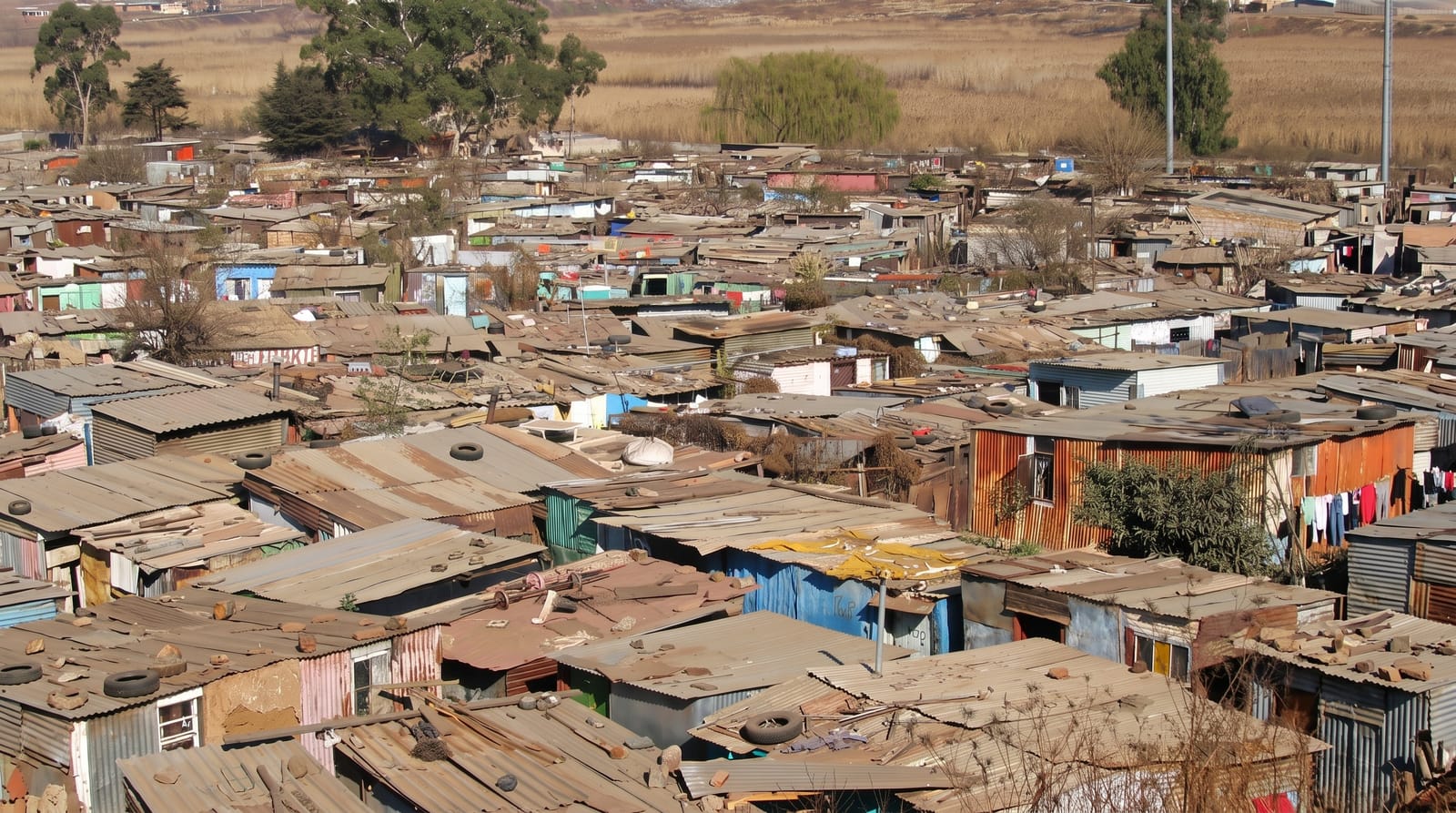
AI illustration
Soweto, the vast township on the edge of Johannesburg, was a centre of the struggle against apartheid, the scene of the 1976 student uprising and home to figures including Nelson Mandela and Desmond Tutu. The Apartheid Museum tells the story of the rise and fall of the system of racial segregation through immersive exhibits.
What you'll find
- The Apartheid Museum - the museum of the country's recent history.
- Vilakazi Street - the street once home to both Mandela and Tutu.
- The Hector Pieterson Memorial - the memorial to the 1976 uprising.
- A township tour - the guided visit to understand Soweto's life and history.
When to go
Year-round; the museum is indoor and open most days. Tours of Soweto are offered by local guides. The Apartheid Museum alone takes a good half day, as it is detailed.
Things to know
The Apartheid Museum is detailed and takes time. Soweto is a living community rather than a sight, and many visitors come with a local guide. Johannesburg calls for sensible caution, so take local advice on areas and travel.
Nearby
Johannesburg's Constitution Hill and the Cradle of Humankind are nearby; Pretoria is close.
What to pack for Soweto and the Apartheid Museum
Chosen from what this place is for. Tap a kit for the full checklist.
- Comfortable walking shoes - Sightseeing means kilometres of pavement and cobbles daily. Find on Amazon
- A slim anti-theft daypack - Zips that close properly; keep it in front in crowds and on transit. Find on Amazon
- A refillable water bottle - Many cities have public fountains; save money and plastic. Find on Amazon
- A light layer + compact umbrella - For museum air-con and a sudden shower. Find on Amazon
Some links on this page are Amazon affiliate links - if you buy through them we may earn a small commission at no extra cost to you.
All packing kitsPlan your trip
Where to start if Soweto and the Apartheid Museum is going on the list.
Booking links on this page are affiliate links - if you book through them we may earn a small commission at no extra cost to you. It never changes what we write about a place.
Opening times, ticket prices and seasonal closures change - check the official source before you go: official site.