Pretoria Botanical Garden
A quartzite ridge splits this garden in two climates, so one half grows what the other cannot.
Updated 22 October 2026
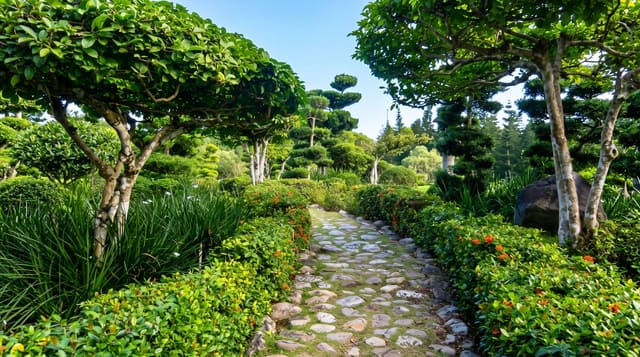
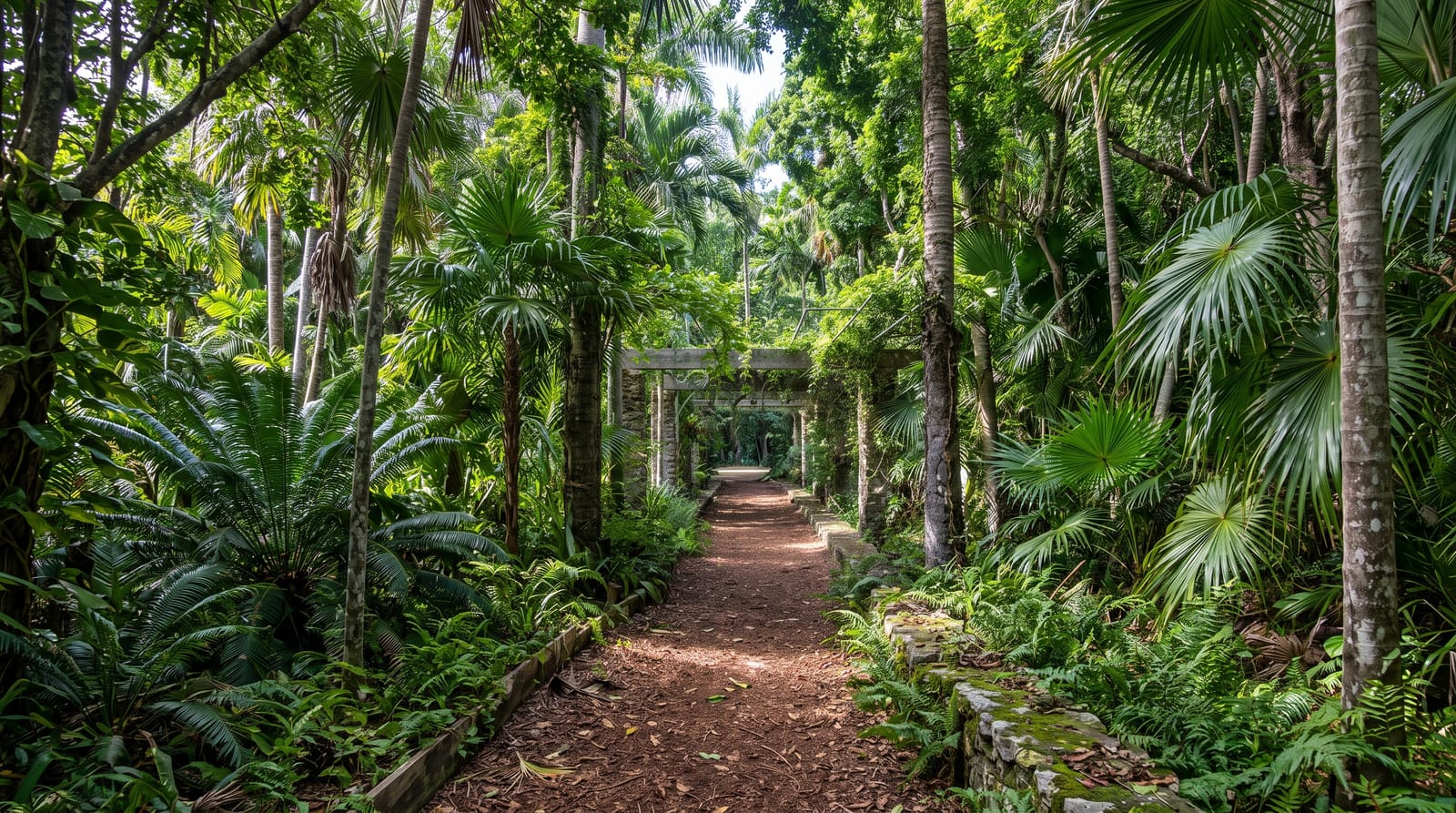
The garden covers about seventy-six hectares divided by a quartzite ridge running east to west, and that ridge is the organising fact: the warm north-facing slope grows subtropical and bushveld species, the cooler south-facing side supports temperate and montane plants, and the two halves of the garden are planted accordingly. Roughly half the area is left as natural veld with a walking trail over the ridge. Collections are grouped by region of South Africa, so you can walk from Cape fynbos to Lowveld bushveld in a few hundred metres, and there is a substantial cycad and succulent holding plus a medicinal plant section. It is the headquarters garden of the national biodiversity institute, so there is a herbarium and research presence behind the display. Summer concerts fill the lawns, and birds are good along the wetland section.
History
The garden opened in June 1946 on land that had been part of the University of Pretoria's experimental farm, given up because poison leaf grew there. It covers 76 hectares and is now the headquarters of the South African National Biodiversity Institute (Wikipedia, Pretoria National Botanical Garden).
Highlights
- The two-climate ridge - north and south slopes growing different floras a few metres apart.
- The regional beds - fynbos, bushveld and grassland collections grouped by origin.
- The natural half - about fifty percent left as veld with a ridge trail.
- The research base - the national biodiversity institute's headquarters garden.
When to go
September to April. Two to three hours. Summer concert days are crowded.
Practical notes
Winter leaves much of the garden dry and brown - that is highveld seasonality. The ridge trail is rocky. It is inside the city, so traffic noise carries. Concert Sundays fill the parking and the lawns.
Nearby
Pretoria's jacaranda streets are west; the Union Buildings are in the city.
Key facts
Source: Wikidata, item Q7242177, read on 18 October 2026.
What to pack for Pretoria Botanical Garden
Chosen from what this place is for. Tap a kit for the full checklist.
- Broken-in walking shoes or boots - Grip and ankle support matter more than looks; never hike in brand-new boots. Find on Amazon
- Comfortable walking shoes - Sightseeing means kilometres of pavement and cobbles daily. Find on Amazon
- Layers + a waterproof shell - Mountain weather turns fast; a packable rain jacket saves the day. Find on Amazon
- A slim anti-theft daypack - Zips that close properly; keep it in front in crowds and on transit. Find on Amazon
Some links on this page are Amazon affiliate links - if you buy through them we may earn a small commission at no extra cost to you.
All packing kitsPlan your trip
Where to start if Pretoria Botanical Garden is going on the list.
Booking links on this page are affiliate links - if you book through them we may earn a small commission at no extra cost to you. It never changes what we write about a place.
Opening times, ticket prices and seasonal closures change - check the official source before you go: official site.