Post Office Tree
A milkwood where a Portuguese captain left a letter in an old shoe in 1501, and where a postbox still takes mail today.
Updated 22 October 2026
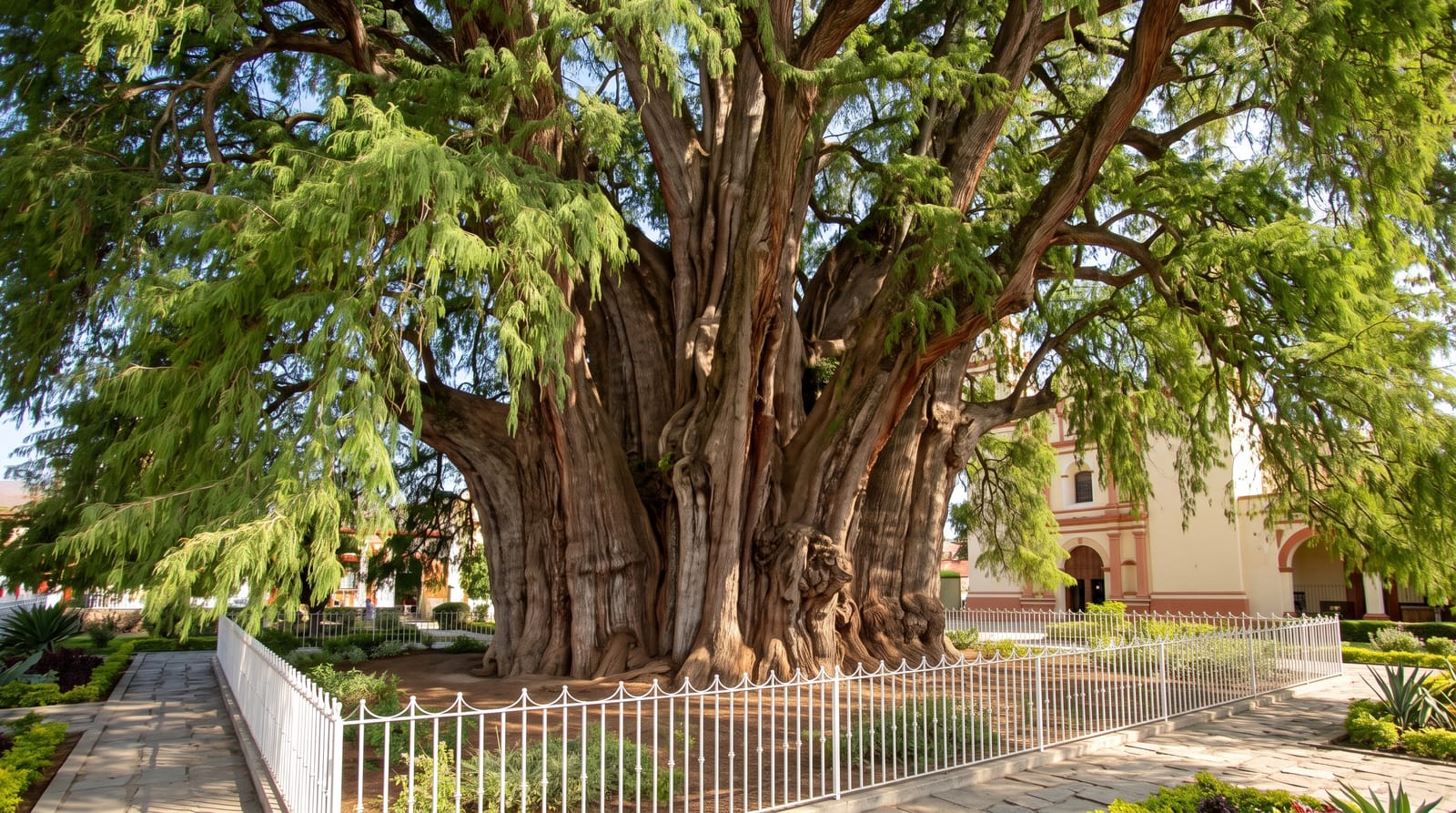
In 1501 the Portuguese captain Pedro de Ataíde, sheltering here after losing much of his fleet in a storm, left an account of the disaster in an old shoe hung in a milkwood tree beside a spring at this bay. It was found by João da Nova, the captain it was addressed to, and the tree became a recognised message drop on the sea route - the first postal system in southern Africa, in effect. The milkwood standing here is identified as that tree and is a national monument; milkwoods are slow-growing and long-lived, so the identification is plausible without being provable. A boot-shaped postbox stands beneath it and letters posted there are franked with a special mark. The tree is inside the Bartolomeu Dias Museum Complex, which also holds a full-size replica of the caravel Dias sailed in 1488, built in Portugal and sailed to Mossel Bay in 1988.
History
In 1501 Pêro de Ataíde, sheltering in Mossel Bay after losing much of his fleet in a storm, hung an account of the disaster in an old shoe from this milkwood near the spring Bartolomeu Dias had used; João da Nova found it, and the tree served as a kind of post office for decades. A boot-shaped post box now stands beneath it (Wikipedia, Post Office Tree).
What's there
- The 1501 message drop - the tree where a letter was left for a passing captain.
- The boot postbox - a working postbox with its own franking mark beneath the tree.
- The caravel replica - a full-size Dias ship sailed from Portugal in 1988.
- The monument status - a milkwood old enough to make the identification credible.
When to go
All year. One hour, more for the museum complex around it.
Practical notes
It is a tree, and the story does the work - visitors expecting a monument are underwhelmed. The identification is traditional rather than proven. The museum complex charges entry and the tree is inside it.
Nearby
Mossel Bay's beaches are close; the Garden Route runs east.
Key facts
Source: Wikidata, item Q30672322, read on 18 October 2026.
What to pack for Post Office Tree
Chosen from what this place is for. Tap a kit for the full checklist.
- Reef-safe sunscreen - High SPF that will not bleach the coral you are swimming over. Find on Amazon
- Comfortable walking shoes - Sightseeing means kilometres of pavement and cobbles daily. Find on Amazon
- Quick-dry towel - A microfibre towel packs small and dries in minutes. Find on Amazon
- A slim anti-theft daypack - Zips that close properly; keep it in front in crowds and on transit. Find on Amazon
Some links on this page are Amazon affiliate links - if you buy through them we may earn a small commission at no extra cost to you.
All packing kitsPlan your trip
Where to start if Post Office Tree is going on the list.
Booking links on this page are affiliate links - if you book through them we may earn a small commission at no extra cost to you. It never changes what we write about a place.
Opening times, ticket prices and seasonal closures change - check the official source before you go: official site.