Mount Sheba
A pocket of mist-belt indigenous forest above the old gold diggings, with named trees and waterfall trails.
Updated 29 August 2026
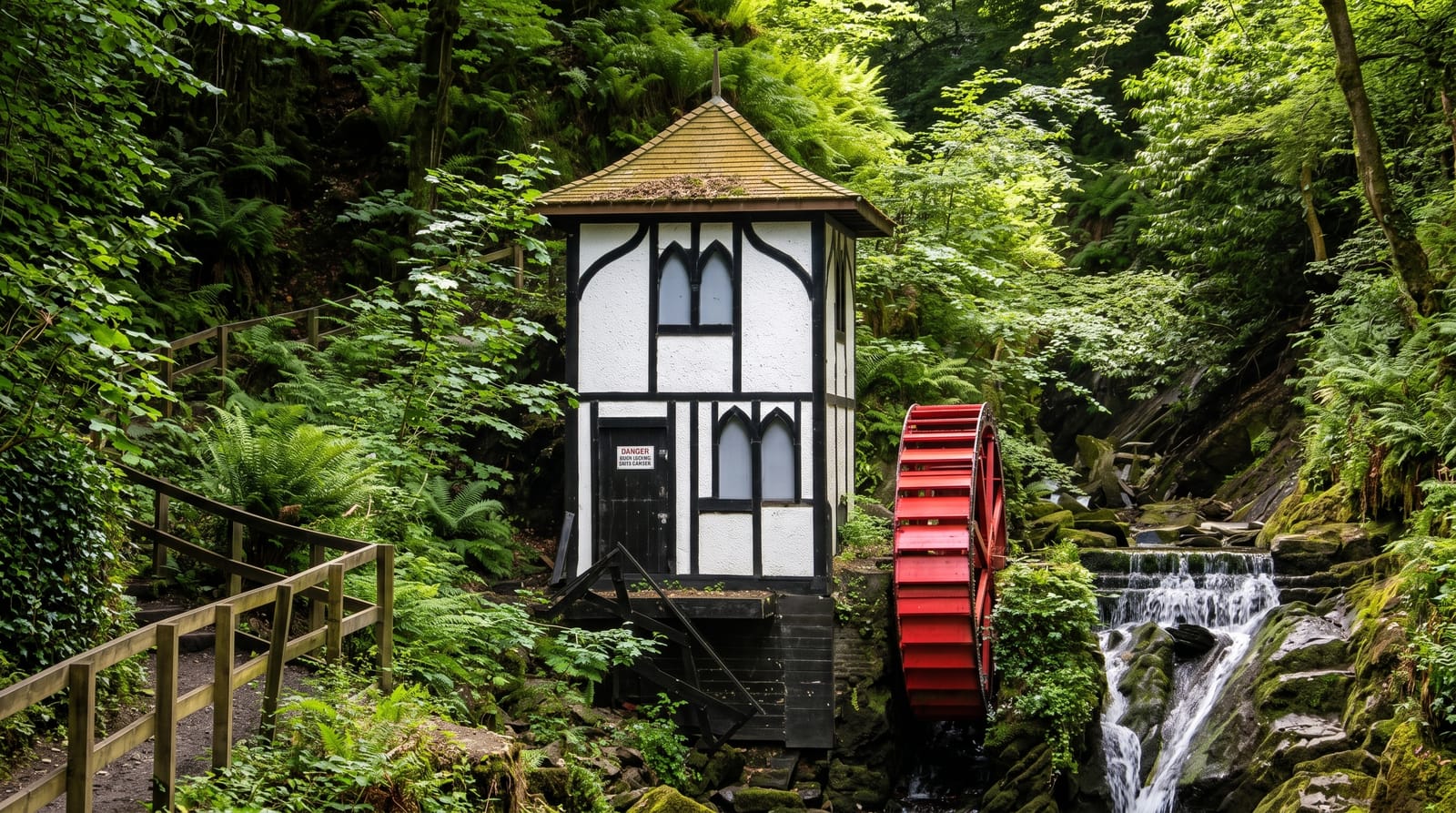
Mount Sheba protects about 1,500 hectares of Afromontane forest in the hills above Pilgrim's Rest, a remnant that survived because the terrain was too steep to log easily while everything around it went to gold diggings and later to plantation. The forest is high, wet and often inside cloud, which is what mist-belt means, and the trees are large: yellowwood, stinkwood, Cape chestnut and lemonwood, with individual specimens named and signposted along the trails. Around fifteen kilometres of paths run through it to waterfalls and pools, with ferns and orchids in the understorey and Knysna turacos calling in the canopy. A lodge sits in the middle of the reserve and controls access, so day walkers check in there. The road up is steep gravel with switchbacks, and mist can make it slow.
Highlights
- The mist-belt forest - a high wet remnant that escaped the gold-era logging.
- The named trees - individual yellowwoods and stinkwoods signposted on the trails.
- The waterfall paths - about fifteen kilometres of routes to falls and pools.
- The turacos - green forest birds calling in the canopy.
When to go
September to April. Half a day. Mist is frequent and can close the views entirely.
Practical notes
The access road is steep gravel and unpleasant in wet weather. Access runs through a private lodge, so day walking depends on their arrangements. Paths are muddy and leech-free but slippery. Mist sits for days at a time in some seasons.
Nearby
Pilgrim's Rest is below; the Panorama Route viewpoints are east.
Key facts
Source: Wikidata, item Q31691183, read on 18 October 2026.
What to pack for Mount Sheba
Chosen from what this place is for. Tap a kit for the full checklist.
- Broken-in walking shoes or boots - Grip and ankle support matter more than looks; never hike in brand-new boots. Find on Amazon
- Modest clothing - Shoulders and knees covered - the single most common requirement. Find on Amazon
- Layers + a waterproof shell - Mountain weather turns fast; a packable rain jacket saves the day. Find on Amazon
- A scarf or shawl - To cover the head or shoulders on entry; women especially at mosques. Find on Amazon
Some links on this page are Amazon affiliate links - if you buy through them we may earn a small commission at no extra cost to you.
All packing kitsPlan your trip
Where to start if Mount Sheba is going on the list.
Booking links on this page are affiliate links - if you book through them we may earn a small commission at no extra cost to you. It never changes what we write about a place.
Opening times, ticket prices and seasonal closures change - check the official source before you go: official site.