Slovenian Beekeeping
A UNESCO-recognised way of life built around the native Carniolan bee, with hives stacked in painted houses and folk scenes on every hive front.
Updated 2 September 2026
AI illustration
UNESCO Intangible Cultural Heritage
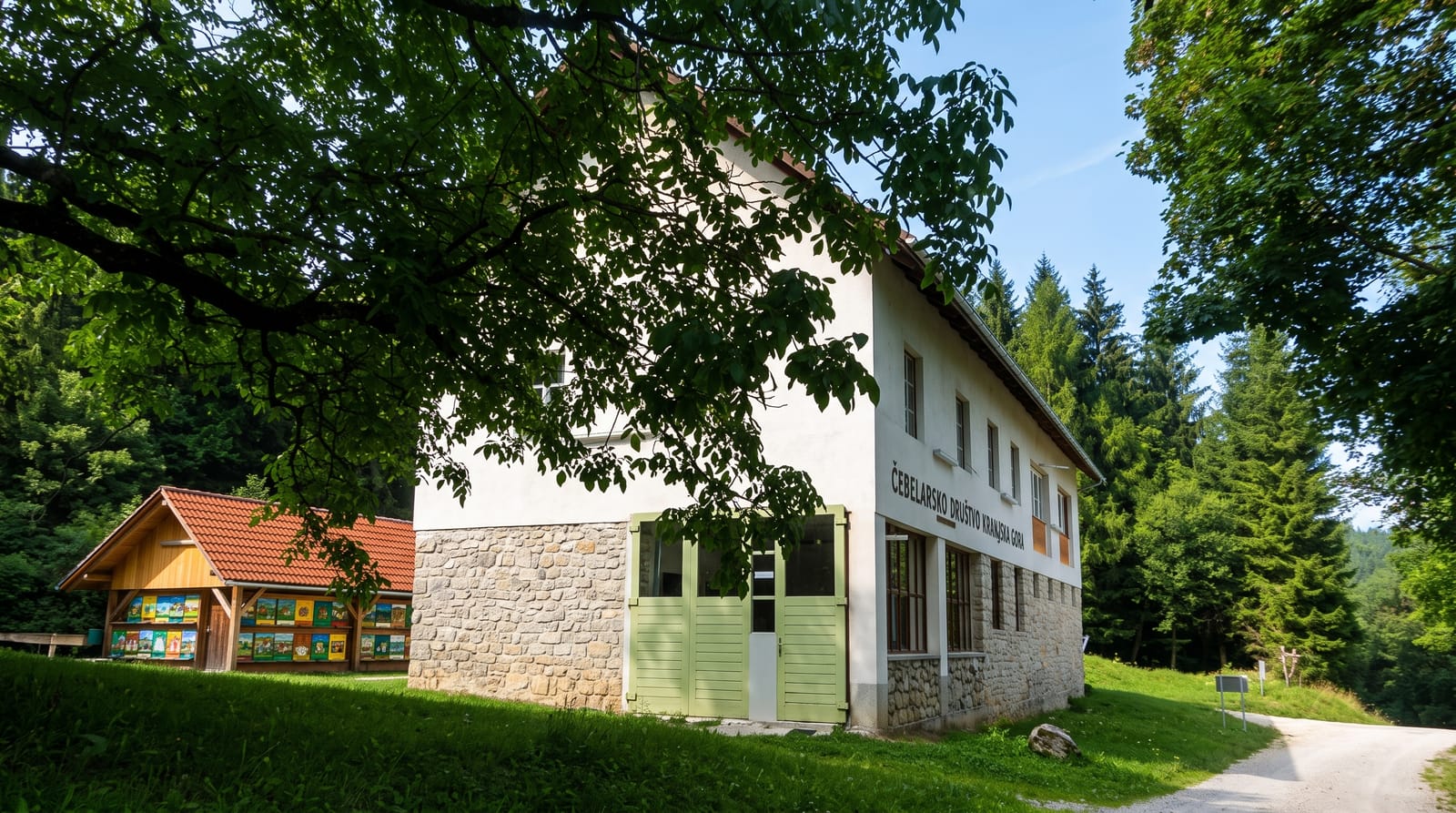
Slovenia has more beekeepers per head than almost anywhere and takes the subject seriously enough that UNESCO recognises beekeeping here as intangible cultural heritage, and that World Bee Day exists at Slovenia's proposal. The native Carniolan bee, gentle and hardy, is kept in a distinctive way: rather than separate boxes, hives are stacked in tiers inside a painted wooden bee house, and from the eighteenth century the removable front boards of each hive were painted with small folk pictures, sometimes religious, often satirical or comic, showing devils sharpening tongues, hunters buried by animals, or a wife chasing a husband. The Apicultural Museum at Radovljica holds the finest collection of these panels. Around the country, beekeepers open their apiaries for tastings of honey by type and for api-therapy sessions breathing hive air.
The main sights
- Painted hive panels - the folk pictures on removable hive fronts, at Radovljica.
- A working bee house - hives stacked in tiers inside a painted wooden building.
- The Carniolan bee - the native subspecies kept across the country.
- Honey tasting - acacia, chestnut, linden and forest honeys compared.
When to go
April to September is the active season when the bees are flying and apiary visits are worthwhile; the museum at Radovljica is open year-round. World Bee Day on the twentieth of May brings events across the country. Book apiary visits ahead, as they are small operations.
Good to know
Outside the flying season an apiary visit is a talk beside closed hives, so time it for spring or summer. Anyone with a bee sting allergy should say so before any visit and consider whether to go at all. Museum labelling on the painted panels is where the interest lies, and rushing it misses the jokes, which are the best part.
Nearby
Lake Bled is ten minutes away; Radovljica's own small old town is worth an hour.
What to pack for Slovenian Beekeeping
Chosen from what this place is for. Tap a kit for the full checklist.
- Comfortable walking shoes - Sightseeing means kilometres of pavement and cobbles daily. Find on Amazon
- A slim anti-theft daypack - Zips that close properly; keep it in front in crowds and on transit. Find on Amazon
- A refillable water bottle - Many cities have public fountains; save money and plastic. Find on Amazon
- A light layer + compact umbrella - For museum air-con and a sudden shower. Find on Amazon
Some links on this page are Amazon affiliate links - if you buy through them we may earn a small commission at no extra cost to you.
All packing kitsPlan your trip
Where to start if Slovenian Beekeeping is going on the list.
Booking links on this page are affiliate links - if you book through them we may earn a small commission at no extra cost to you. It never changes what we write about a place.
Opening times, ticket prices and seasonal closures change - check the official source before you go: official site.


