Stará Ľubovňa Castle
A border castle in northern Spiš where the Polish crown jewels were hidden for a decade, with an open-air village museum below.
Updated 2 September 2026
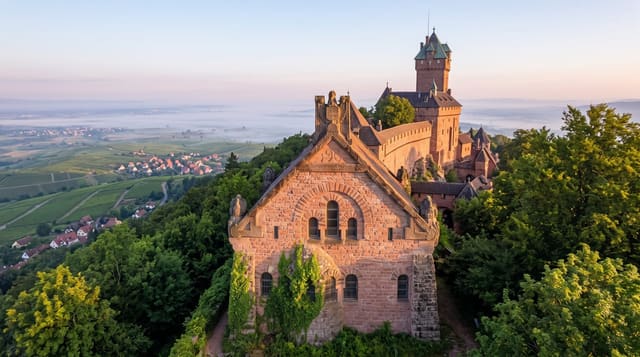
Stará Ľubovňa castle stands on a rock above the Poprad river on what was for centuries the Polish border, and it was Polish territory for over three hundred years after the Spiš towns were pawned in 1412. During the Swedish invasion of the 1650s the Polish crown jewels were hidden here for a decade. Below the castle is a skanzen of relocated wooden buildings from the surrounding villages, including a Greek Catholic church.
What's there
- The castle - a rock-top fortress with a Renaissance palace inside the walls.
- The crown jewels story - the decade the Polish regalia spent hidden here.
- The skanzen - relocated wooden houses and a Greek Catholic church below.
- The Poprad valley - the river and the Polish border country beyond.
When to go
May to October is the main season and the skanzen is fully open then. Winter hours are shorter and some buildings close. Summer brings historical events.
Practical notes
The skanzen buildings are largely closed outside summer. The castle interiors are museum displays rather than furnished rooms. Labelling is mostly in Slovak.
Nearby
Cerveny Klastor is northwest, and Kezmarok is southwest.
What to pack for Stará Ľubovňa Castle
Chosen from what this place is for. Tap a kit for the full checklist.
- Comfortable walking shoes - Sightseeing means kilometres of pavement and cobbles daily. Find on Amazon
- A slim anti-theft daypack - Zips that close properly; keep it in front in crowds and on transit. Find on Amazon
- A refillable water bottle - Many cities have public fountains; save money and plastic. Find on Amazon
- A light layer + compact umbrella - For museum air-con and a sudden shower. Find on Amazon
Some links on this page are Amazon affiliate links - if you buy through them we may earn a small commission at no extra cost to you.
All packing kitsPlan your trip
Where to start if Stará Ľubovňa Castle is going on the list.
Booking links on this page are affiliate links - if you book through them we may earn a small commission at no extra cost to you. It never changes what we write about a place.
Opening times, ticket prices and seasonal closures change - check the official source before you go: official site.