Zasavica Nature Reserve
A slow lowland waterway near the Sava protecting beavers, old livestock breeds and a famous donkey cheese.
Updated 31 August 2026
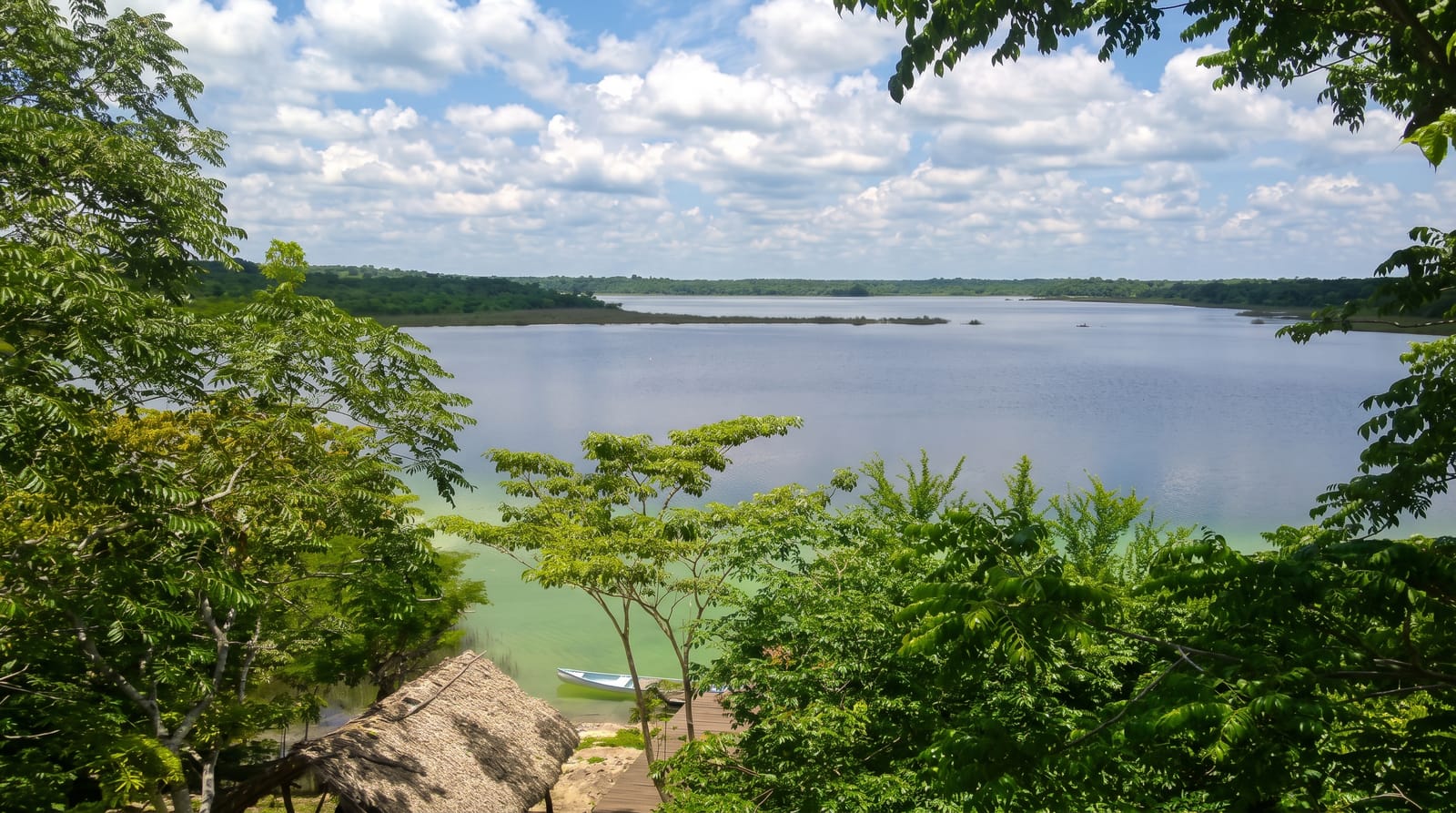
Zasavica protects a slow-moving lowland watercourse and its marshes, a remnant of the wetland that once covered this part of the Sava basin, with willow and alder along the banks and a long species list including otters and, since a reintroduction in 2004, European beavers whose dams and cut trees are easy to find. The reserve also keeps rare domestic breeds: Mangalitsa curly-haired pigs, Podolian cattle and Balkan donkeys, the last of which produce the milk for pule, a cheese sold at prices that have made it internationally famous as one of the most expensive cheeses anywhere. Electric boats run along the water, there are walking paths, and a visitor centre explains the conservation work. It is a modest, well-run place and a straightforward half-day from Belgrade or Novi Sad.
What's there
- Beaver signs - dams, lodges and gnawed trees along the water.
- Rare breeds - Mangalitsa pigs, Podolian cattle and Balkan donkeys.
- Electric boat trips - quiet passage along the slow channel.
- Wetland birds - herons, warblers and waterfowl in the marsh.
When to go
April to October; spring for birdsong and high water, autumn for colour. Beavers are crepuscular and rarely seen in daylight, though their work is visible at any time. Boat trips stop in winter.
Good to know
Beaver sightings are unlikely; you see the evidence rather than the animal. The reserve is small and flat, and the visit is a couple of hours. Pule cheese is famous but almost never actually available to buy. Facilities are simple and mostly Serbian-language.
Nearby
Sremska Mitrovica lies north; Obedska Bara is east.
What to pack for Zasavica Nature Reserve
Chosen from what this place is for. Tap a kit for the full checklist.
- Broken-in walking shoes or boots - Grip and ankle support matter more than looks; never hike in brand-new boots. Find on Amazon
- Layers + a waterproof shell - Mountain weather turns fast; a packable rain jacket saves the day. Find on Amazon
- Daypack with rain cover - 20-30 litres holds water, snacks, layers and a first-aid kit. Find on Amazon
- Offline maps + a power bank - Download the trail before you lose signal; carry backup charge. Find on Amazon
Some links on this page are Amazon affiliate links - if you buy through them we may earn a small commission at no extra cost to you.
All packing kitsPlan your trip
Where to start if Zasavica Nature Reserve is going on the list.
Booking links on this page are affiliate links - if you book through them we may earn a small commission at no extra cost to you. It never changes what we write about a place.
Opening times, ticket prices and seasonal closures change - check the official source before you go: official site.