The Grande Anse Turtles
Leatherback turtles nesting on a wild Atlantic beach in the northeast, watched on organised overnight vigils.
Saved in this browser only - no account, nothing sent anywhere. See your map
Grande Anse on the northeast coast is a long wild Atlantic beach with no development at all, and between March and July leatherback turtles come ashore on it to lay, along with smaller numbers of green and hawksbill. Leatherbacks are the largest turtles alive and a nesting female is an extraordinary thing to be near. The Desbarras community and conservation groups run overnight watches through the season: you walk in, wait, and if a turtle comes ashore the guides manage the approach. Nothing is guaranteed and the whole thing depends on an animal deciding to arrive.
What you actually see
- Leatherback nesting - the largest turtles alive, from March to July.
- The overnight watch - organised through the community at Desbarras.
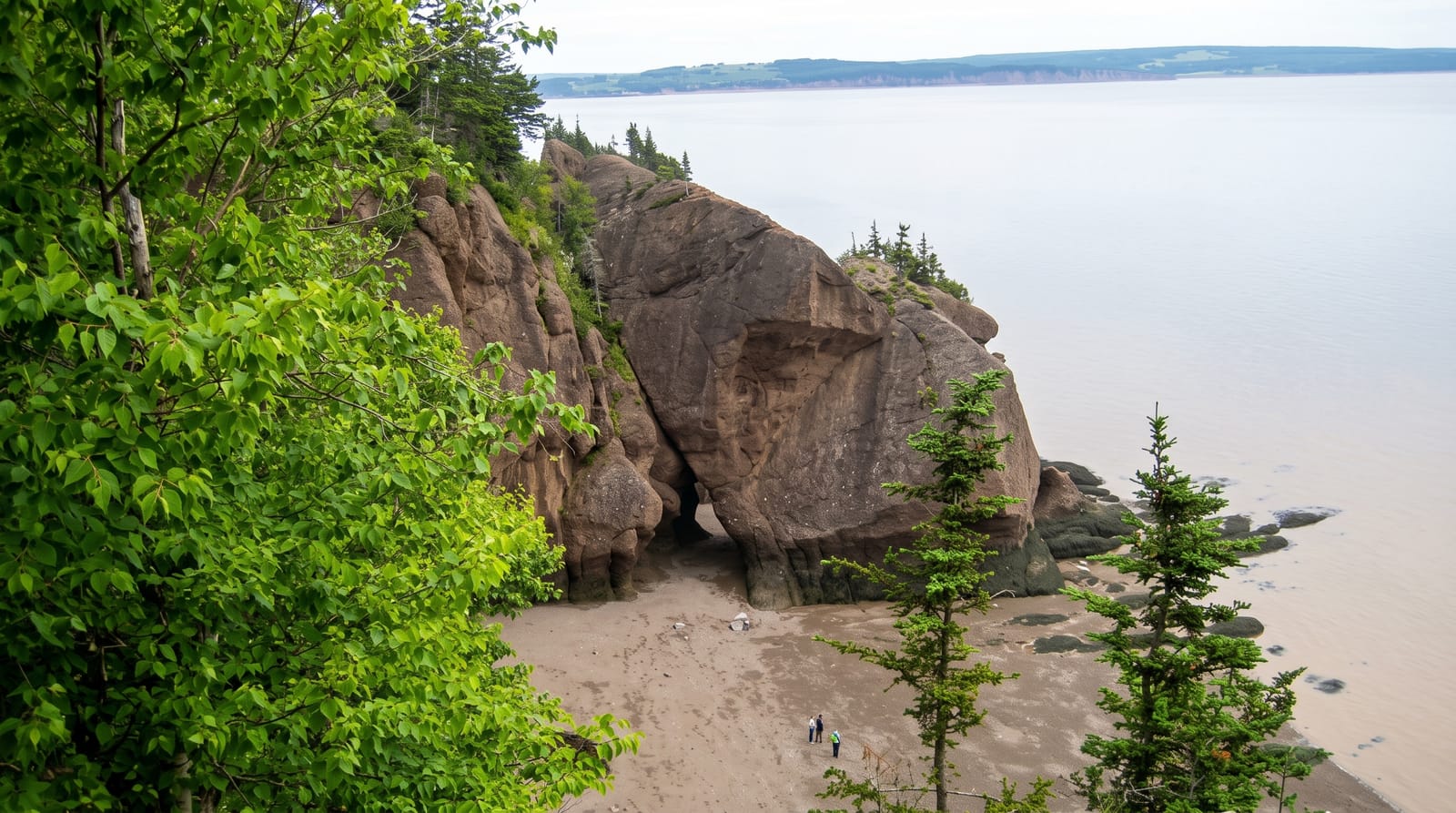
- The wild beach - a long undeveloped Atlantic shore.
- The hatchlings - emerging about two months after laying.
When to go
March to July is the nesting season, with the peak generally in April and May. Watches are organised overnight and must be booked through the community group. Hatchlings emerge from around May onward.
Honest expectations
It is an overnight vigil on a beach with no facilities and a rough walk in, and there is a real chance no turtle comes. Lights and flash photography are prohibited absolutely. The track down from Desbarras is rough. Turtle watching must be through the organised programme; wandering the beach alone at night in the season is both unsafe and harmful.
Nearby
Desbarras is the village above; the northeast coast runs either side.
What to pack for The Grande Anse Turtles
Chosen from what this place is for. Tap a kit for the full checklist.
Opening times, ticket prices and seasonal closures change - check the official source before you go: official site.