Smolensk Lakeland National Park
Thirty-five glacial lakes in forest on the Smolensk uplands, a UNESCO biosphere reserve with almost no visitors.
Updated 22 October 2026
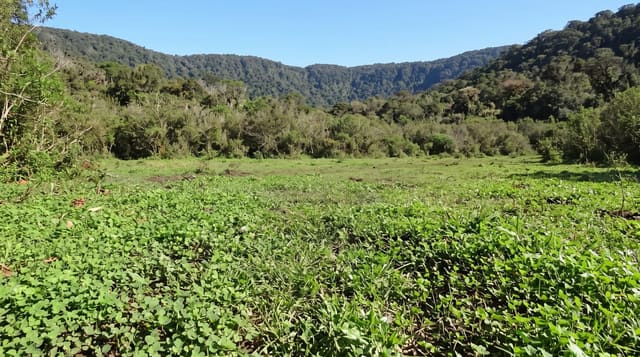
Smolenskoye Poozerye - the Smolensk lakeland - protects about a hundred and fifty thousand hectares in the north-west of Smolensk region, where retreating ice left a landscape of thirty-five lakes in kettle holes among moraine ridges, spruce and pine forest and bog. It is a UNESCO biosphere reserve. Lake Sapsho is the largest and the centre, with the village of Przhevalskoye on it - named for Nikolai Przhevalsky, the explorer of Central Asia who bought an estate here and used it as his base between expeditions, and whose museum is in the village. Elk, boar, beaver, lynx and wolf are present; brown bear occasionally. There are walking trails, a bird tower, an ecological path through bog on boardwalk, and a sanatorium using local mineral water and mud. Visitor numbers are low, which is the appeal and the reason facilities are thin.
History
The area has been lived in since the Mesolithic, with flint tools of 7,000-8,000 BCE, 17 known Neolithic sites and about 25 Bronze Age monuments, and from the fifth century AD its culture was Slavic, based on farming and timber. The park was officially established in 1992 and has been a UNESCO biosphere reserve since 2002 (Wikipedia, Smolenskoye Poozerye National Park).
Highlights
- The thirty-five lakes - glacial kettle holes among moraine ridges and forest.
- Lake Sapsho - the largest, with Przhevalskoye village on its shore.
- The Przhevalsky museum - the explorer's base between Central Asian expeditions.
- The boardwalk - an ecological path across bog with a bird tower.
When to go
May to September; autumn for colour and mushrooms. Two days to a week. Winter brings skiing and a very quiet park.
Good to know
Remote, with limited public transport and a long drive from Smolensk. Mosquitoes and ticks are severe in summer, with encephalitis risk. Accommodation is limited to the sanatorium and guesthouses. Trail marking is inconsistent.
Nearby
Przhevalskoye is the base village; Smolensk and its walls are south-east.
Key facts
Source: Wikidata, item Q3329986, read on 18 October 2026.
What to pack for Smolensk Lakeland National Park
Chosen from what this place is for. Tap a kit for the full checklist.
- Broken-in walking shoes or boots - Grip and ankle support matter more than looks; never hike in brand-new boots. Find on Amazon
- Binoculars - The single best wildlife tool - even a compact pair transforms a sighting. Find on Amazon
- Shelter suited to the place - Tent, tarp or hut booking - match it to the terrain and rules. Find on Amazon
- Layers + a waterproof shell - Mountain weather turns fast; a packable rain jacket saves the day. Find on Amazon
Some links on this page are Amazon affiliate links - if you buy through them we may earn a small commission at no extra cost to you.
All packing kitsPlan your trip
Where to start if Smolensk Lakeland National Park is going on the list.
Booking links on this page are affiliate links - if you book through them we may earn a small commission at no extra cost to you. It never changes what we write about a place.
Opening times, ticket prices and seasonal closures change - check the official source before you go: official site.