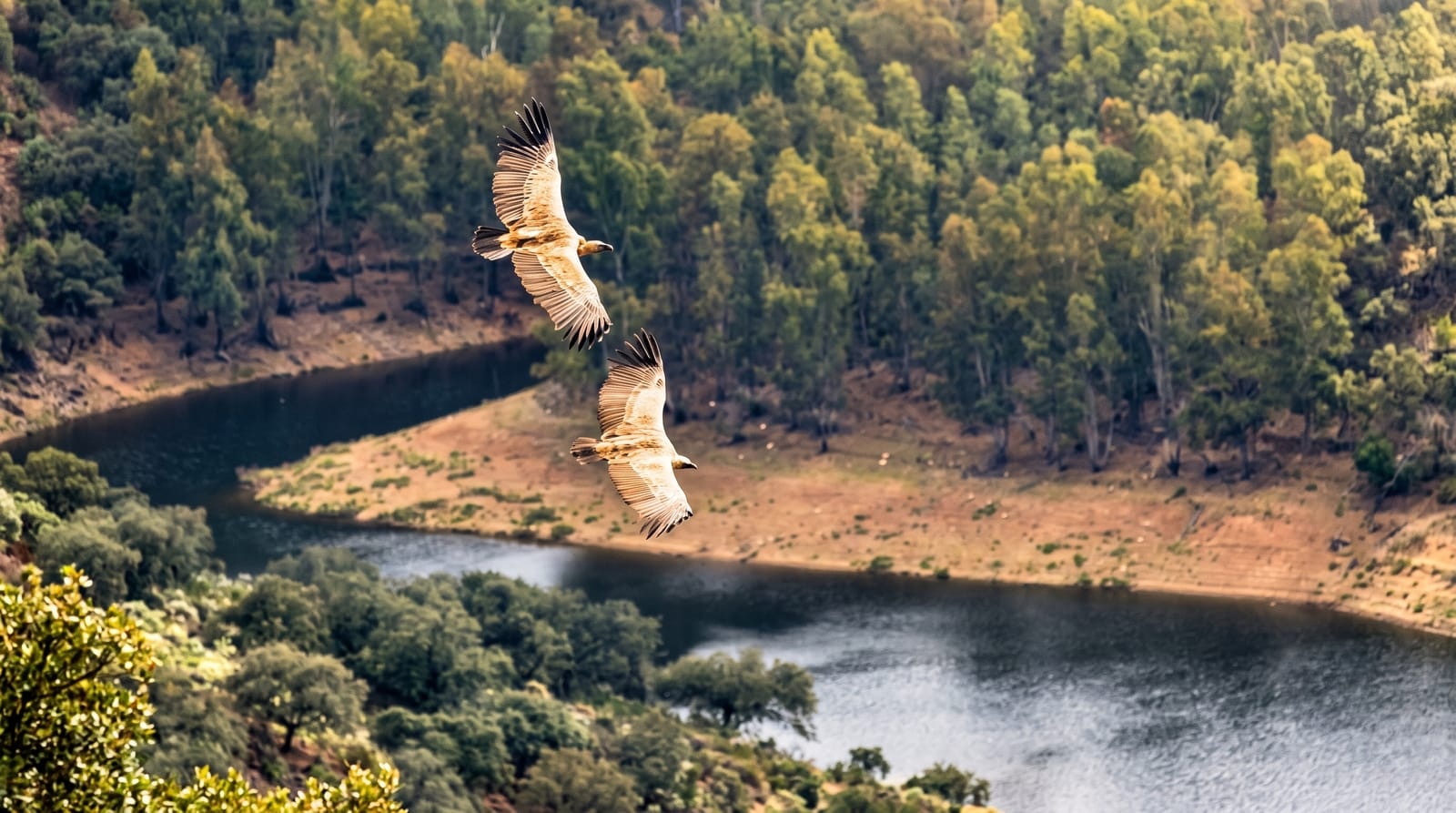
Apuseni Natural Park
A karst plateau of caves, sinkholes and scattered hill farms in the Western Carpathians, one of Europe's great cave regions.
Updated 1 November 2026
The Apuseni are lower than the eastern Carpathians and quite different in character: limestone country riddled with caves, swallow holes and underground rivers, with high pastures and isolated wooden farmsteads scattered across the plateaus between them. The park, declared in 2000 over some 75,800 hectares, holds more than a thousand known caves, including the Scărișoara ice cave with its underground glacier, the vast portals of Cetățile Ponorului, and cave systems still being explored. The surface is just as strange, with whole valleys ending in sinkholes and rivers vanishing into the hillside to reappear kilometres away. The park also protects a way of life that has largely disappeared elsewhere: the Moți people farm hay meadows on steep ground, and hamlets sit at altitudes where you would expect nothing but forest. Distances are short on the map and long in practice, because roads are poor and often unsurfaced.
Background
The park lies in the central and northern Apuseni Mountains, taking in part of the Bihor Mountains to the south and the Vlădeasa Mountains to the north, and is shared between Cluj, with 40%, Bihor, with 32%, and Alba, with 28%. It spreads over 16 communes, and Boga, Fântânele and Vârtop are its three resorts. Within it lie dozens of smaller reserves, from caves of a hectare or less, such as Scărișoara and the Bears' Cave, to the Padiș and Lumea Pierdută karst plateaus and the Sighiștel valley of 412.6 ha. Its waters drain to the Arieș, the Someșul Mic and the Crișul Negru, and in the north the Beliș-Fântânele reservoir, built from 1970 to 1974 at 1,050 m, covers 826 ha behind a dam 92 m high.
Source: Wikipedia, "Apuseni Natural Park"
The landscape
- Cave systems - Scărișoara, Bears' Cave, Meziad and dozens more, some show caves and some wild.
- Padiș and Cetățile Ponorului - the karst heartland with its sinkholes and giant portals.
- Scattered hill farms - wooden houses and hay meadows high on the plateaus.
- Gorges and springs - Galbenei, Sighiștel and the resurgences where rivers reappear.
When to go
May to October. Spring brings the strongest flow through the underground systems, autumn the best colour and the most settled weather. Winter closes most access roads and many caves. Caves stay near freezing in every season regardless of the surface weather.
What to expect
Access is the hard part: many of the best places are reached by rough tracks that ordinary cars will not manage, and signposting is patchy. Wild caves require equipment, a guide and permission. Accommodation is thin and concentrated at a few points. Mobile coverage is unreliable across the plateaus.
Nearby
Bears' Cave and the Padiș plateau lie within the park; Cluj-Napoca is east.
Key facts
Source: Wikidata, item Q3364559, read on 18 October 2026.
What to pack for Apuseni Natural Park
Chosen from what this place is for. Tap a kit for the full checklist.
- Broken-in walking shoes or boots - Grip and ankle support matter more than looks; never hike in brand-new boots. Find on Amazon
- Head torch + spare batteries - Hands-free light is essential; caves are truly dark. Find on Amazon
- Warm base layers - Merino or synthetic against the skin - never cotton, which chills when damp. Find on Amazon
- Layers + a waterproof shell - Mountain weather turns fast; a packable rain jacket saves the day. Find on Amazon
Some links on this page are Amazon affiliate links - if you buy through them we may earn a small commission at no extra cost to you.
All packing kitsPlan your trip
Where to start if Apuseni Natural Park is going on the list.
Booking links on this page are affiliate links - if you book through them we may earn a small commission at no extra cost to you. It never changes what we write about a place.
Opening times, ticket prices and seasonal closures change - check the official source before you go: official site.