Sé Velha de Coimbra
A fortress-faced Romanesque cathedral of the 1160s on the climb through Coimbra's upper town, with a Renaissance side door.
Updated 21 October 2026
UNESCO World Heritage
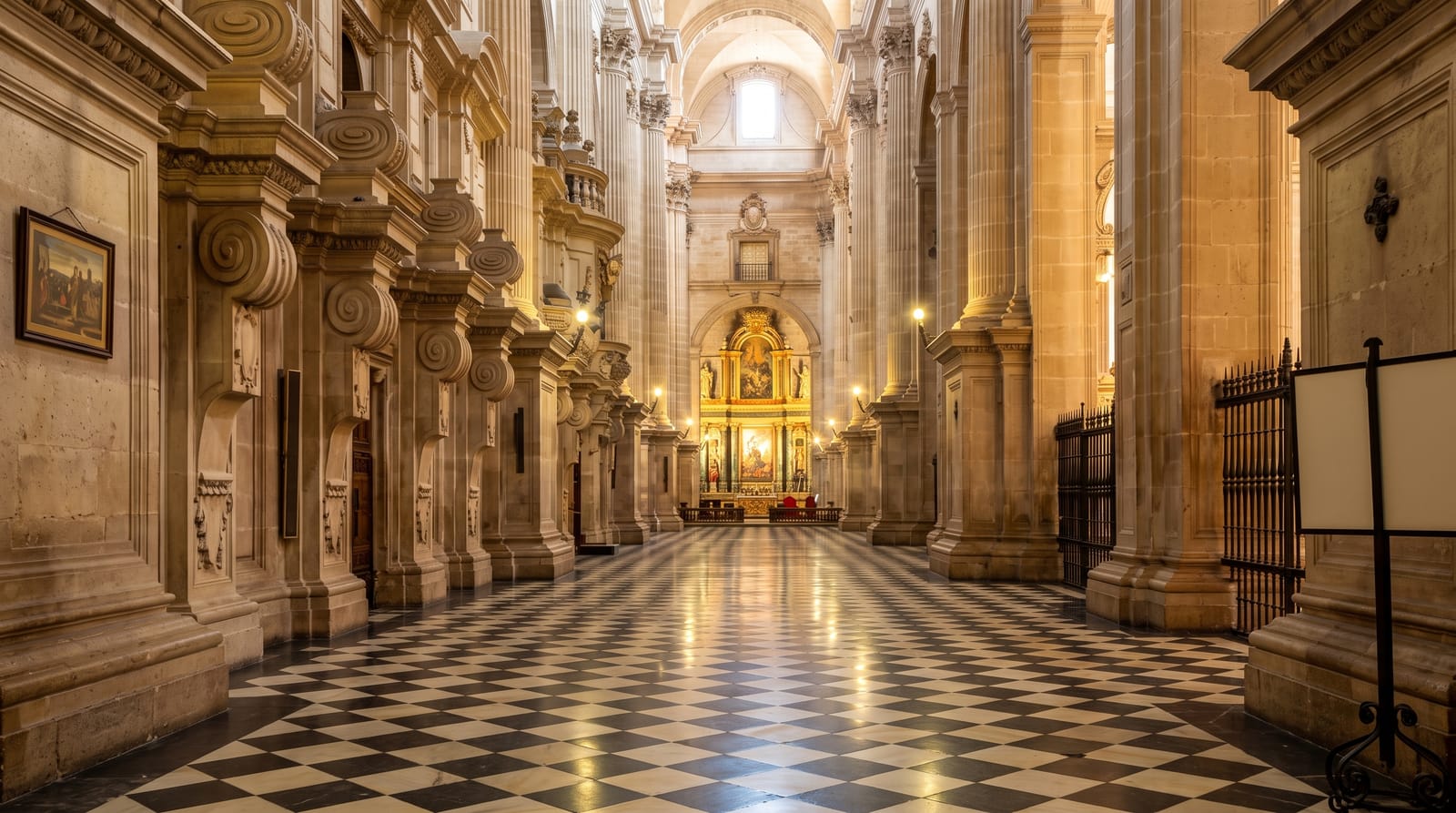
The old cathedral was begun around 1162, when Coimbra was the capital of a new kingdom on a contested frontier, and it was built accordingly: a squat, thick-walled block with crenellations along the roofline, arrow slits and a narrow west front, so it reads as a fortified church rather than a cathedral. It is among the most complete Romanesque buildings in Portugal, having escaped the rebuilding and earthquake damage that reshaped most of the others. Inside are a gilded Gothic altarpiece by Flemish carvers, sixteenth-century azulejos on the aisle walls and a Gothic cloister of the 1210s, one of the earliest in the country. On the north side is the Porta Especiosa, an ornate Renaissance doorway added in the 1530s that sits oddly against the fortress walls. A new cathedral was built higher up in 1772, which is why this one is called the old one.
History
Coimbra, the Roman Aeminium, has been a bishop's seat since the 5th century, after the Sueves sacked nearby Conimbriga in 468. In 1139, after the Battle of Ourique, Afonso Henriques, who made Coimbra his capital, decided to pay for a new cathedral, Bishop Miguel Salomão gave the work its decisive push, and Sancho I was crowned in it in 1185; the building was finished in the first decades of the 13th century, the cloister begun in 1218 under Afonso II. The design is credited to Master Robert, probably French, who was building Lisbon Cathedral, with the work run by Master Bernard and then Master Soeiro; in the 16th century the walls were tiled and the Porta Especiosa added, and in 1772 the bishop's seat moved to the former Jesuit church, the New Cathedral (Wikipedia, Old Cathedral of Coimbra).
What you'll find
- The fortified front - crenellations, thick walls and arrow slits on a cathedral.
- The Gothic cloister - one of the earliest in Portugal, from around 1218.
- The Porta Especiosa - an ornate Renaissance doorway added to a Romanesque wall.
- The altarpiece - gilded Gothic carving by Flemish craftsmen.
When to go
Year-round. One hour. Coimbra's upper town is a steep climb - the elevador from the Baixa saves the worst of it.
Things to know
The approach is steep in every direction. The interior is dim and photography is restricted. Services close it periodically. Cloister and church are one ticket, but hours are shorter than posted at times.
Nearby
The university and its Joanina library are above; Santa Cruz and the Baixa are below.
Key facts
Source: Wikidata, item Q2351947, read on 18 October 2026.
What to pack for Sé Velha de Coimbra
Chosen from what this place is for. Tap a kit for the full checklist.
- Broken-in walking shoes or boots - Grip and ankle support matter more than looks; never hike in brand-new boots. Find on Amazon
- Comfortable walking shoes - Sightseeing means kilometres of pavement and cobbles daily. Find on Amazon
- Modest clothing - Shoulders and knees covered - the single most common requirement. Find on Amazon
- Layers + a waterproof shell - Mountain weather turns fast; a packable rain jacket saves the day. Find on Amazon
Some links on this page are Amazon affiliate links - if you buy through them we may earn a small commission at no extra cost to you.
All packing kitsPlan your trip
Where to start if Sé Velha de Coimbra is going on the list.
Booking links on this page are affiliate links - if you book through them we may earn a small commission at no extra cost to you. It never changes what we write about a place.
Opening times, ticket prices and seasonal closures change - check the official source before you go: official site.