Snieznik Massif
The highest ground in the eastern Sudetes, with a new summit tower opened in 2022 and a bear cave on its flank.
Updated 29 August 2026
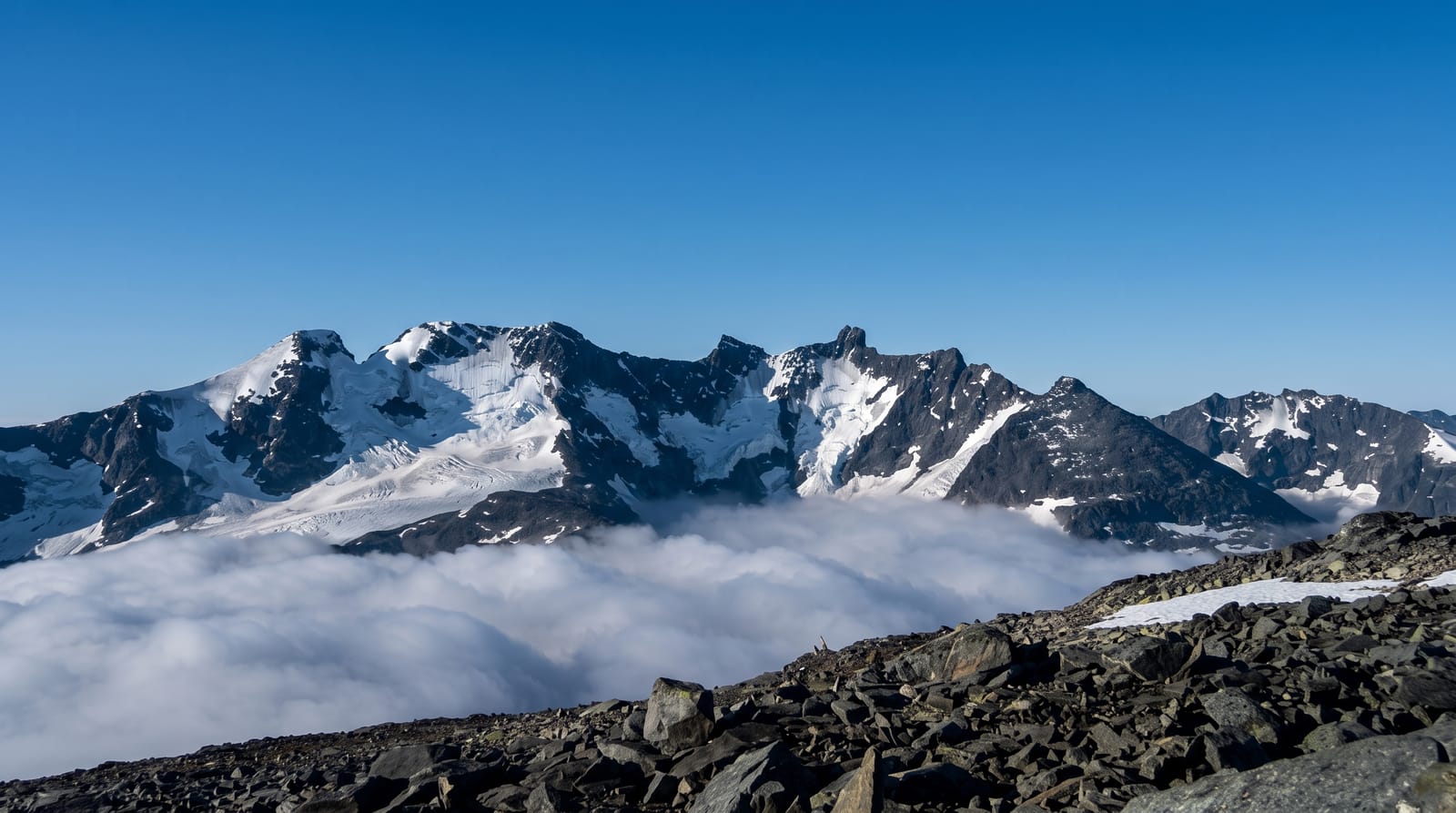
Snieznik reaches 1,423 metres on the Polish-Czech border and is the high point of the eastern Sudetes, a broad rounded massif of gneiss and mica schist with a bare grassy summit above the treeline. A stone tower stood on the top from 1899 until it was demolished as unsafe in 1973; a replacement, in steel and timber with an enclosed viewing level, was completed and opened in 2022, so the summit has a lookout again after nearly fifty years without one. On the northern flank at Kletno is Jaskinia Niedzwiedzia, the bear cave, found by quarrying in 1966 and one of the more important caves in Poland - about three kilometres surveyed, with formations and a very large assemblage of Pleistocene animal bones including cave bear, which is what it is named for; a section is open on a guided route with numbers capped. Snow lies on the massif into spring.
What's there
- The eastern Sudetes high point - 1,423 metres with a bare grassy summit on the border.
- A tower again since 2022 - replacing the 1899 one demolished in 1973.
- Jaskinia Niedzwiedzia - the bear cave at Kletno, with Pleistocene bone deposits.
- Snow into spring - the massif holding it well after the valleys clear.
When to go
May to October for walking; winter with equipment. A day.
Things to know
Cave numbers are capped daily and it closes in winter for bats - book ahead. The summit is exposed and weather changes fast. Ascents from the valleys are three hours or more. The tower queues at weekends.
Nearby
Miedzygorze and Wilczki waterfall are west; Kletno is on the northern flank.
Key facts
Source: Wikidata, item Q1529966, read on 18 October 2026.
What to pack for Snieznik Massif
Chosen from what this place is for. Tap a kit for the full checklist.
- Broken-in walking shoes or boots - Grip and ankle support matter more than looks; never hike in brand-new boots. Find on Amazon
- Head torch + spare batteries - Hands-free light is essential; caves are truly dark. Find on Amazon
- Warm base layers - Merino or synthetic against the skin - never cotton, which chills when damp. Find on Amazon
- Layers + a waterproof shell - Mountain weather turns fast; a packable rain jacket saves the day. Find on Amazon
Some links on this page are Amazon affiliate links - if you buy through them we may earn a small commission at no extra cost to you.
All packing kitsPlan your trip
Where to start if Snieznik Massif is going on the list.
Booking links on this page are affiliate links - if you book through them we may earn a small commission at no extra cost to you. It never changes what we write about a place.
Opening times, ticket prices and seasonal closures change - check the official source before you go: official site.