Oliwa Cathedral
A very long narrow Gothic church with a baroque organ whose carved angels and stars move while it plays.
Updated 21 October 2026
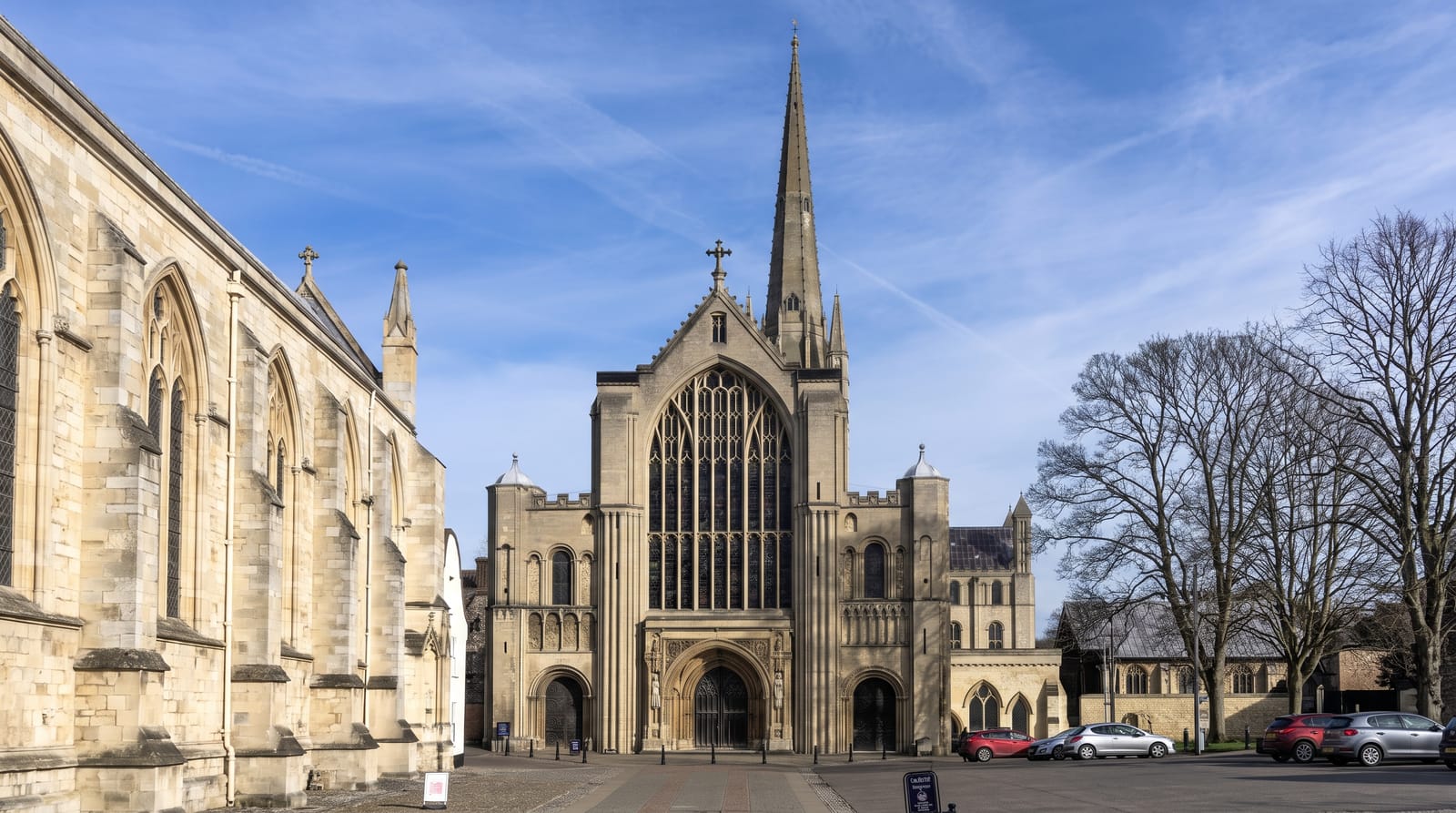
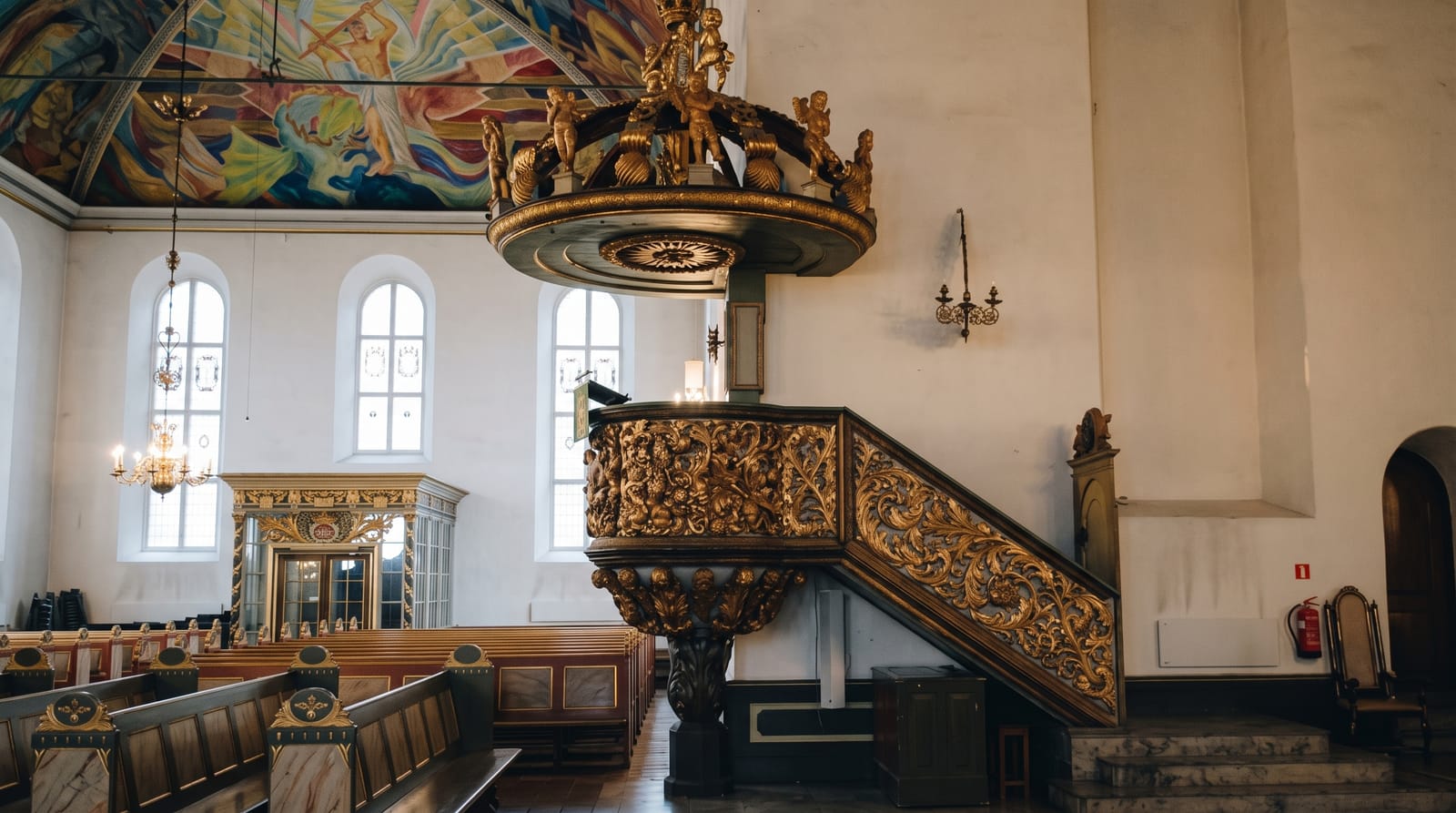
The Cistercian church at Oliwa is a hundred and seven metres long and only about nineteen wide, which gives it a strange telescoping perspective from the west door, and its facade is a narrow baroque front squeezed between two thin brick towers. The organ is why most people come: built between 1763 and 1788 by Johann Wilhelm Wulff, a Cistercian brother, with 83 registers and some 5,100 pipes - then the largest organ in Europe - and a case covered in rococo carving with moveable angels holding bells, trumpets, stars and suns. It has since grown to 96 registers. Short demonstration recitals run through the day in season and full concerts in summer. The abbey was founded in 1186, dissolved in 1831, and the church became a cathedral in 1925. Around it lies the Oliwa park, a formal French garden running into an English landscape section against the wooded moraine hills, with a palm house and free entry.
What to look for
- A 107-metre nave - very long and narrow, telescoping from the west door.
- The Wulff organ - finished in 1788, now 96 registers.
- Moving carved figures - angels, suns and stars that turn as it plays.
- Oliwa park - French formal garden running into English landscape.
When to go
April to October. Half a day.
Things to know
Demonstration recitals run to a timetable and the church is closed to sightseeing during services and weddings. Summer recitals are crowded. The park is free but the palm house is ticketed.
Nearby
Sopot is north; Gdansk old town is south along the tram line.
Key facts
Source: Wikidata, item Q1236685, read on 18 October 2026.
What to pack for Oliwa Cathedral
Chosen from what this place is for. Tap a kit for the full checklist.
- Comfortable walking shoes - Sightseeing means kilometres of pavement and cobbles daily. Find on Amazon
- Modest clothing - Shoulders and knees covered - the single most common requirement. Find on Amazon
- A slim anti-theft daypack - Zips that close properly; keep it in front in crowds and on transit. Find on Amazon
- A scarf or shawl - To cover the head or shoulders on entry; women especially at mosques. Find on Amazon
Some links on this page are Amazon affiliate links - if you buy through them we may earn a small commission at no extra cost to you.
All packing kitsPlan your trip
Where to start if Oliwa Cathedral is going on the list.
Booking links on this page are affiliate links - if you book through them we may earn a small commission at no extra cost to you. It never changes what we write about a place.
Opening times, ticket prices and seasonal closures change - check the official source before you go: official site.