Hala Mirowska
A brick market hall of 1901 that survived the destruction of Warsaw, still selling meat, cheese and vegetables.
Updated 29 August 2026
The two Mirowskie halls were built in 1899-1901 in red brick with iron roof trusses as Warsaw's main covered markets, and they are among the relatively few substantial nineteenth-century buildings in the city centre to have come through the war, though not undamaged - one was gutted and used as a garage for decades. They are working markets rather than food halls: butchers, cheese counters, fishmongers, and, in the stalls that spread outside along the walls, farmers selling vegetables, fruit, mushrooms in autumn and flowers, with prices and quality that vary sharply by season and by stall. Older Varsovians shop here; so, increasingly, do restaurants. The area around has filled with bars and small restaurants over the past decade. It is not a curated tourist market - the interest is that it is ordinary, and that the building is still doing what it was built for.
What to look for
- Brick halls of 1901 - iron-trussed, among the centre's few surviving old buildings.
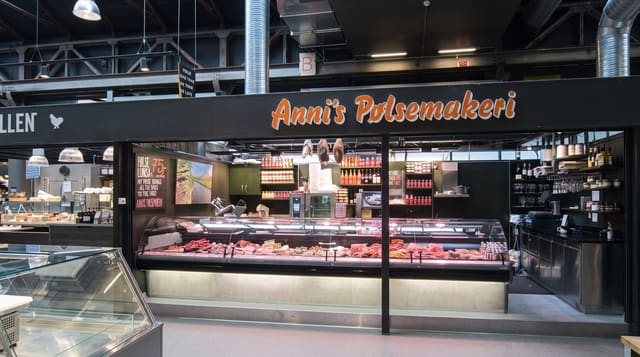
- Working counters - butchers, cheese, fish, sold to people who cook.
- Outdoor stalls - farmers along the walls with seasonal produce and flowers.
- Autumn mushrooms - the forest crop appearing in quantity in season.
When to go
All year, weekday mornings. Two hours.
What to expect
It is a working market, not a food court - opening is early and stalls close in the afternoon. Sundays are dead. Prices at the outdoor stalls are negotiable and vary. Cash is easier than cards.
Nearby
The Palace of Culture and the old town are both short walks away.
Key facts
Source: Wikidata, item Q106774863, read on 18 October 2026.
What to pack for Hala Mirowska
Chosen from what this place is for. Tap a kit for the full checklist.
- A reusable bag or container - For market produce and cutting down on packaging. Find on Amazon
- Wet wipes + hand sanitiser - Street food and washbasins do not always go together. Find on Amazon
Some links on this page are Amazon affiliate links - if you buy through them we may earn a small commission at no extra cost to you.
All packing kitsPlan your trip
Where to start if Hala Mirowska is going on the list.
Booking links on this page are affiliate links - if you book through them we may earn a small commission at no extra cost to you. It never changes what we write about a place.
Opening times, ticket prices and seasonal closures change - check the official source before you go: official site.