Baranow Sandomierski Castle
A Renaissance castle attributed to Santi Gucci, with a double-flight courtyard stair, called the little Wawel.
Updated 22 October 2026
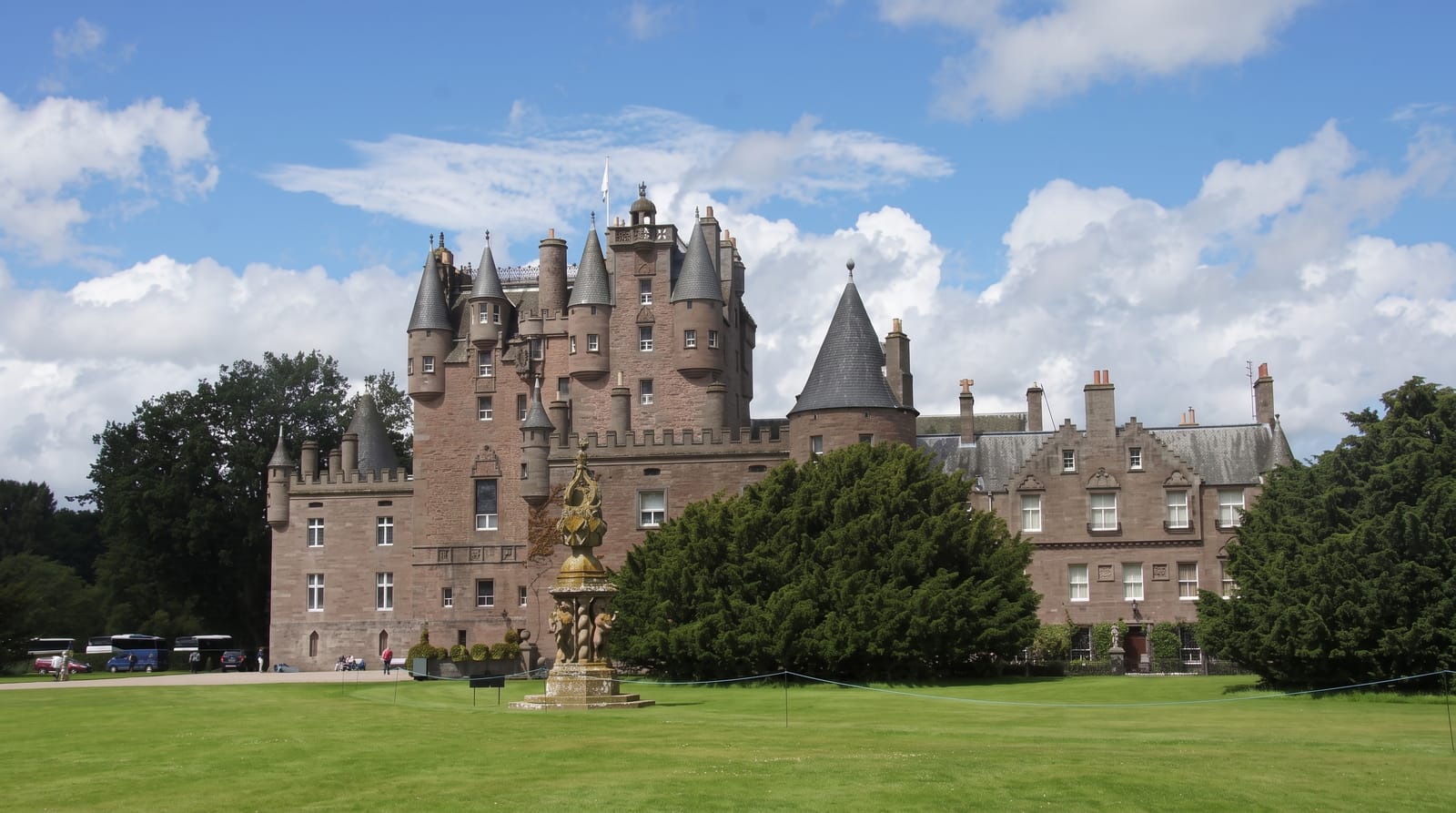
Baranow was built between 1591 and 1606 for the Leszczynski family and is attributed to Santi Gucci, the Florentine who worked at Wawel, which is why the comparison is made: a rectangular block with corner towers around an arcaded courtyard, and in that courtyard a broad double-flight staircase rising to the loggia, an unusual and theatrical arrangement that is the building's signature. The detailing - mascarons, dolphins, carved parapet - is the same Italian-Polish Renaissance idiom as the royal castle, at a domestic scale, and the survival is good: after a fire in 1898 and later damage it was restored by the state in 1959-1969, with the sulphur mines of nearby Tarnobrzeg as its sponsor. Some interiors are shown with period furnishing, and until 1995 the castle also held a museum of the local sulphur basin.
History
The castle was built in about 1591-1606 for Andrzej and Rafał Leszczyński, probably to designs by Santi Gucci, court artist of King Stephen Báthory, and around 1620 it was ringed with bastions. Józef Karol Lubomirski married its owner, Teofila Ludwika Zasławska, in 1683 and had Tylman van Gameren convert it and add the western gallery wing; Feliks Dolański bought it in 1867, and after a fire in 1898 Stanisław Dolański restored it with the architect Tadeusz Stryjeński, adding an Art Nouveau chapel with stained glass by Józef Mehoffer (Wikipedia, Baranów Sandomierski Castle).
What's there
- A double-flight courtyard stair - the theatrical arrangement that defines the castle.
- Santi Gucci's idiom - mascarons, dolphins and carved parapet, as at Wawel.
- Period interiors - furnished rooms in part of the building.
- The sulphur connection - the Tarnobrzeg mines that sponsored the restoration.
When to go
April to October. Half a day.
Good to know
Part of the castle operates as a hotel and restaurant and closes for events. Interiors are seen on a guided route. Closed Mondays in low season. The town has little else.
Nearby
Sandomierz is twenty-five kilometres north; Tarnobrzeg is close.
Key facts
Source: Wikidata, item Q614041, read on 18 October 2026.
What to pack for Baranow Sandomierski Castle
Chosen from what this place is for. Tap a kit for the full checklist.
- Binoculars - The single best wildlife tool - even a compact pair transforms a sighting. Find on Amazon
- Comfortable walking shoes - Sightseeing means kilometres of pavement and cobbles daily. Find on Amazon
- A zoom camera or long lens - Animals rarely come close; reach beats megapixels. Find on Amazon
- A slim anti-theft daypack - Zips that close properly; keep it in front in crowds and on transit. Find on Amazon
Some links on this page are Amazon affiliate links - if you buy through them we may earn a small commission at no extra cost to you.
All packing kitsPlan your trip
Where to start if Baranow Sandomierski Castle is going on the list.
Booking links on this page are affiliate links - if you book through them we may earn a small commission at no extra cost to you. It never changes what we write about a place.
Opening times, ticket prices and seasonal closures change - check the official source before you go: official site.