Auschwitz-Birkenau Memorial and Museum
A UNESCO-listed memorial and museum on the preserved grounds of the former camp at Oswiecim, visited on a booked, timed entry.
Updated 18 October 2026
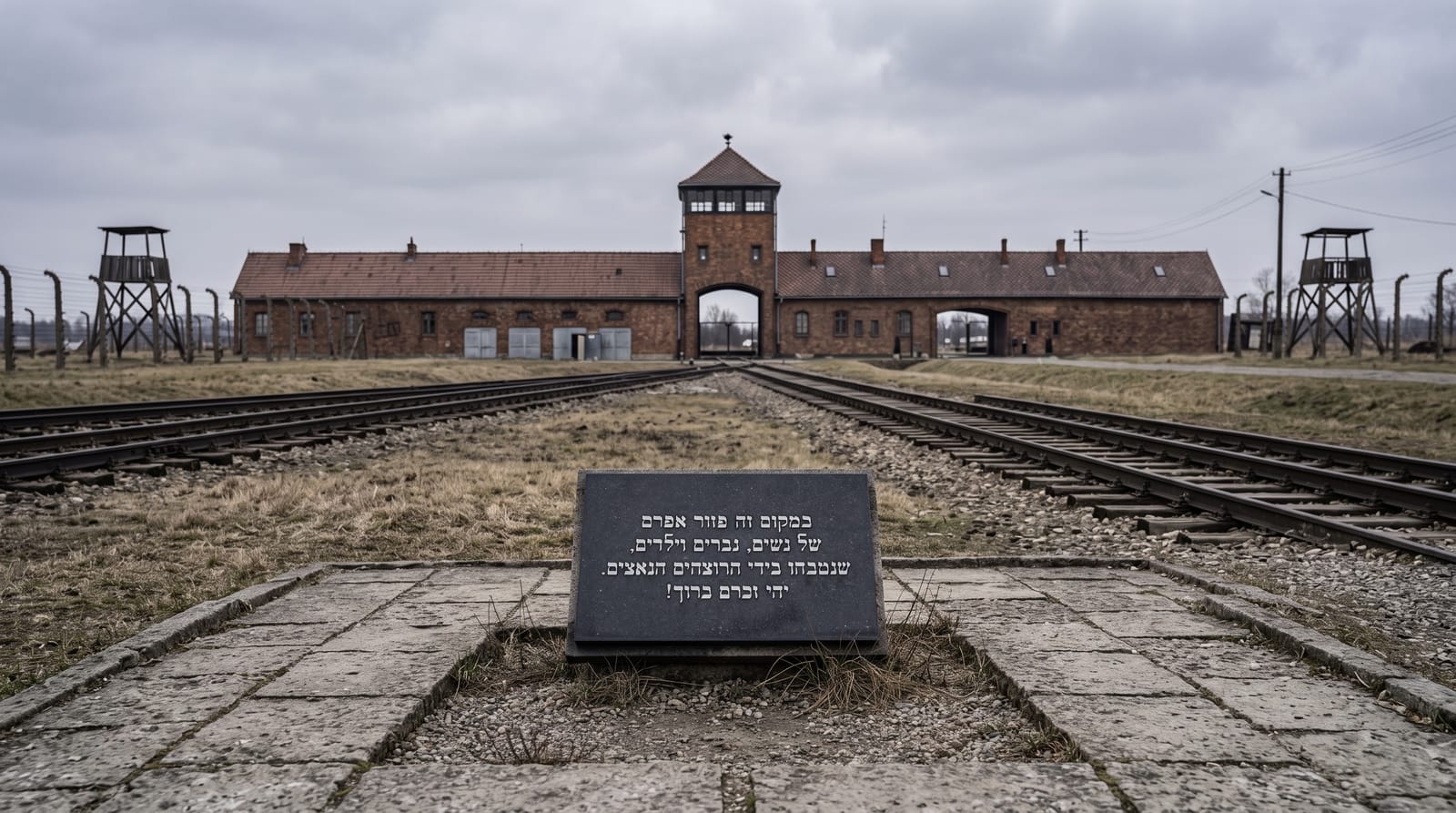
AI illustration
UNESCO World Heritage
The site at Oswiecim is preserved as a memorial and museum, listed by UNESCO in 1979, and run by a state institution whose work is conservation, research and education. It covers two locations about three kilometres apart: the brick barracks of the first camp, which hold the permanent exhibitions, and the much larger grounds of Birkenau, kept largely as open ground with surviving structures and foundations. Visits are by booked, timed entry and follow set routes. This page is practical information only; the history is documented by the museum itself and by the sources it publishes.
History
The site holds the main camp of Auschwitz I and the remains of the concentration and extermination camp of Auschwitz II-Birkenau, built and run by Nazi Germany during its occupation of Poland in 1939-1945, and the Polish state preserves it as a research centre and in memory of the 1.1 million people who died there, among them 960,000 Jews. The first exhibition in the barracks opened in 1947 and was revised with the help of former prisoners, a new exhibition was planned in 1955, from 1960 national exhibitions were set up in Auschwitz I, and in April 1968 a Jewish exhibition opened. Protection zones were set around Birkenau in 1962 and Auschwitz I in 1977, the site became a World Heritage Site in 1979, the year Pope John Paul II celebrated mass at Birkenau, and Piotr Cywiński has directed the museum since 2006 (Wikipedia, Auschwitz-Birkenau State Museum).
Highlights
- The first site - brick blocks holding the permanent exhibitions and archive displays.
- Birkenau - open grounds with surviving barracks, foundations and the rail spur.
- The national exhibitions - country-by-country displays in separate blocks.
- The memorial - the monument at the far end of the Birkenau grounds.
When to go
Year-round. Entry is free but a timed ticket must be reserved in advance through the museum site, and in peak hours you can only enter with a guide, which is charged. Morning and late-afternoon slots are the least crowded. Allow four hours for both sites, plus travel from Krakow and back.
Things to know
This is a memorial, not an attraction, and the museum publishes its own rules on conduct, photography and dress - read them before you go. It is not suitable for children under fourteen, which is the museum's own guidance. Tickets are heavily oversubscribed and release on a fixed schedule. Much of the Birkenau visit is outdoors on open ground with no shelter, so weather matters. Bags above a small size are not allowed inside.
Nearby
Krakow is ninety minutes east; the Wieliczka salt mine is on the same side of the city.
What to pack for Auschwitz-Birkenau Memorial and Museum
Chosen from what this place is for. Tap a kit for the full checklist.
- Comfortable walking shoes - Sightseeing means kilometres of pavement and cobbles daily. Find on Amazon
- A slim anti-theft daypack - Zips that close properly; keep it in front in crowds and on transit. Find on Amazon
- A refillable water bottle - Many cities have public fountains; save money and plastic. Find on Amazon
- A light layer + compact umbrella - For museum air-con and a sudden shower. Find on Amazon
Some links on this page are Amazon affiliate links - if you buy through them we may earn a small commission at no extra cost to you.
All packing kitsPlan your trip
Where to start if Auschwitz-Birkenau Memorial and Museum is going on the list.
Booking links on this page are affiliate links - if you book through them we may earn a small commission at no extra cost to you. It never changes what we write about a place.
Opening times, ticket prices and seasonal closures change - check the official source before you go: official site.