Tubbataha Reefs Natural Park
Two atolls in the middle of the Sulu Sea, reachable only by liveaboard for three months a year, and among the healthiest reefs on earth.
Updated 18 October 2026
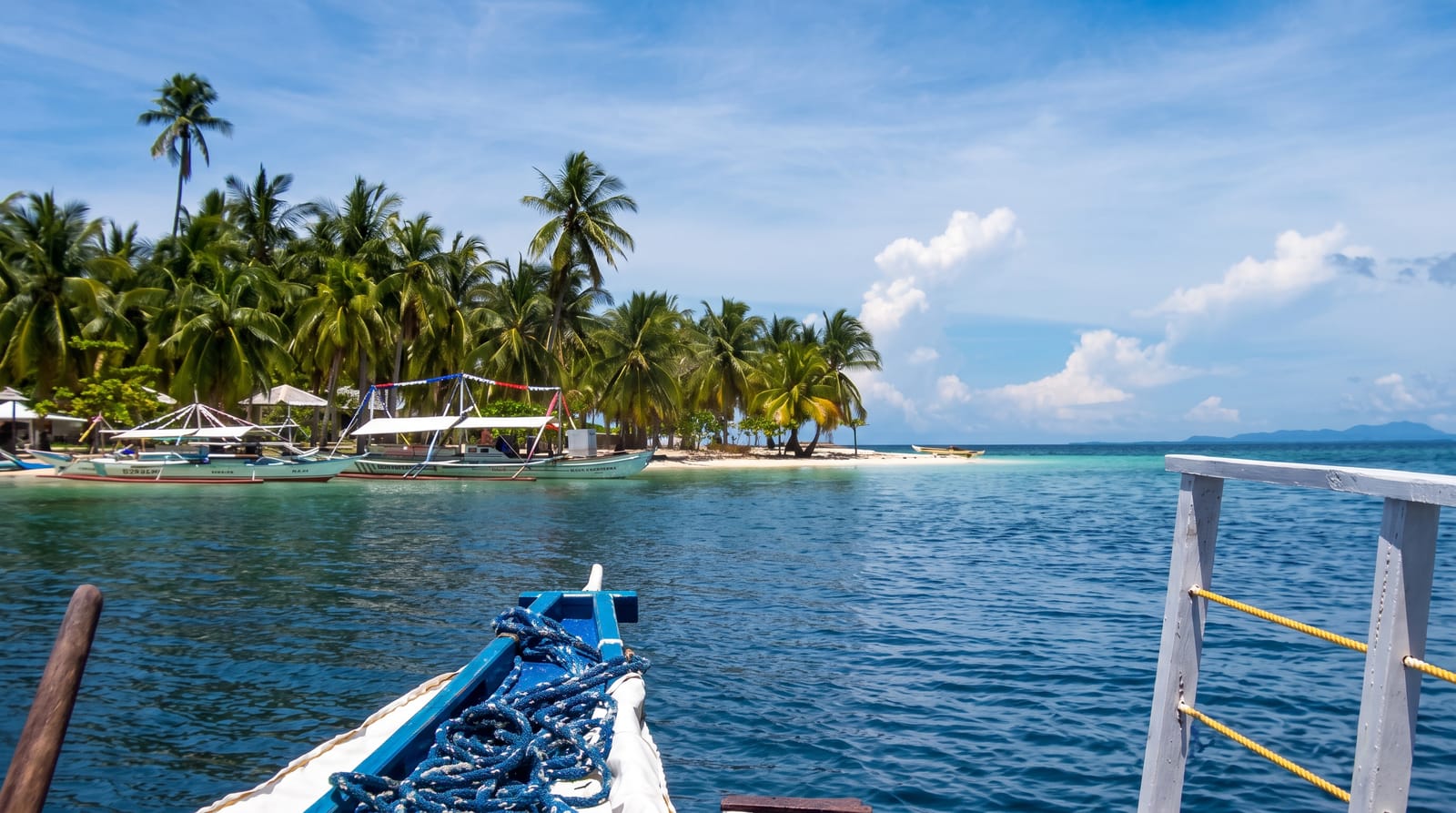
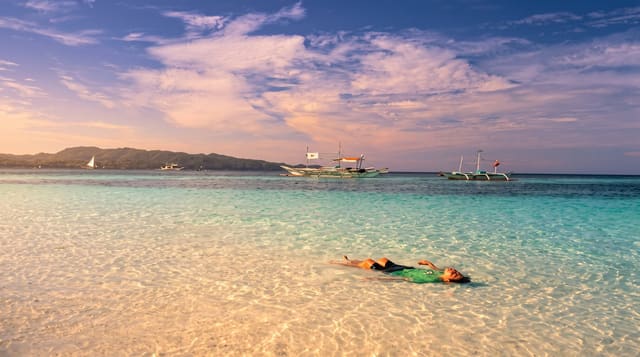
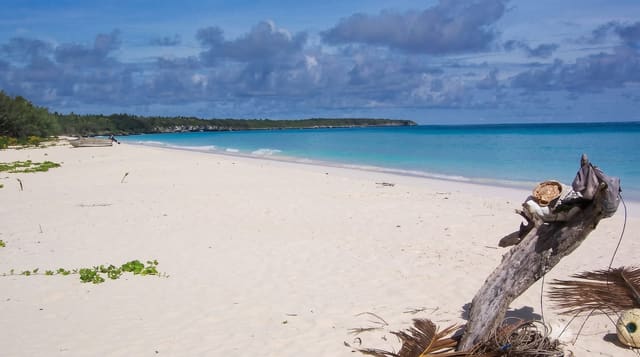
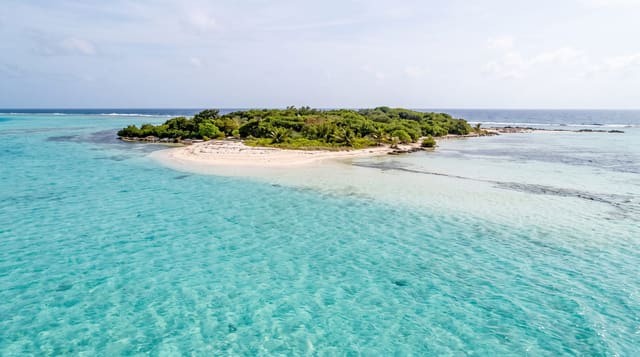
AI illustration
UNESCO World Heritage
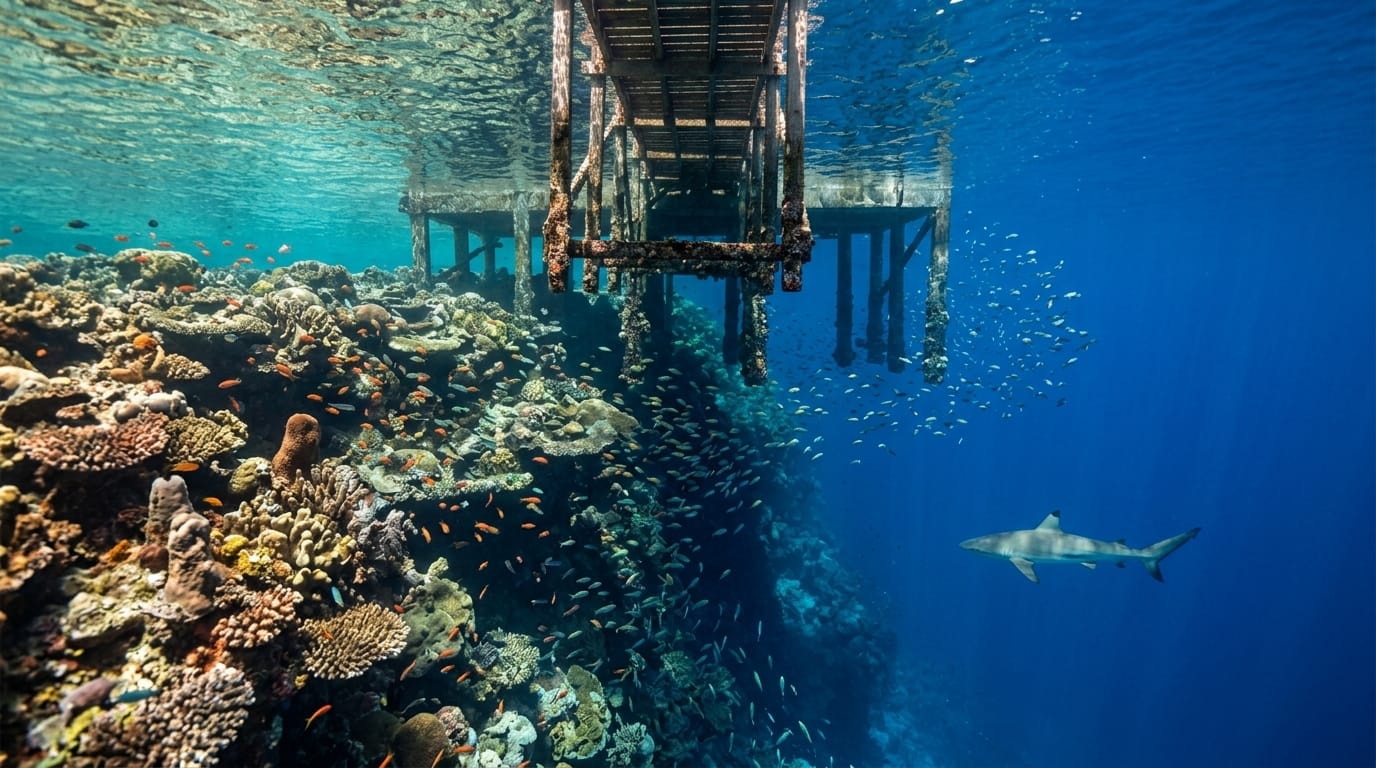
Tubbataha is two coral atolls and an isolated reef sitting in the open Sulu Sea, roughly 150 kilometres from the nearest land, and it is protected as strictly as any marine site in Asia: no fishing, no anchoring, no landing except at the ranger station, and a diving season limited to about three months when the sea is calm enough. The result is a reef in a condition most divers never see, with walls dropping into deep blue, dense schools of jack and barracuda, reef sharks as a matter of routine, turtles, and occasional whale sharks and hammerheads. Around a thousand species have been recorded here. Rangers live on a platform in the middle of it year-round, which is both the reason it has survived and a fairly bleak posting.
History
The name joins two Sama-Bajau words for a long reef exposed at low tide; the nomadic Sama-Bajau visited it from time to time, and people from Cagayancillo sailed out in bangkas to fish what they called Gusong. Its isolation in the middle of the Sulu Sea, and islets with no fresh water, long protected it, but in the 1980s motorised boats brought growing numbers of fishermen, many using cyanide and dynamite. Divers and environmentalists campaigned for protection, and on 11 August 1988 President Corazon Aquino signed Proclamation No. 306 creating a national marine park of 332 square kilometres, the first marine national park in the Philippines; in December 1993 it became a World Heritage Site (Wikipedia, Tubbataha Reef).
The landscape
- The walls - vertical reef drop-offs on both atolls, the signature dive profile.
- Shark and pelagic action - white-tip and grey reef sharks, jacks, barracuda and occasional hammerheads.
- Bird Islet - a seabird nesting cay, viewed from the boat rather than landed on.
- The ranger station - the permanently manned platform that keeps the park intact.
When to go
Mid-March to mid-June is the entire season; outside that window the Sulu Sea is too rough and the park is closed to visitors. Boats book out a year or more ahead for the best weeks.
Before you go
This is an expensive, committed trip and not a day excursion: a liveaboard of several days, ten hours of open sea each way, and no possibility of leaving early. Currents are strong and the diving suits experienced divers rather than novices. There is no snorkelling-only option worth the money, and seasickness on the crossing is common.
Nearby
Puerto Princesa and its underground river are the mainland base; El Nido lies north up the Palawan coast.
Key facts
Source: Wikidata, item Q927108, read on 18 October 2026.
What to pack for Tubbataha Reefs Natural Park
Chosen from what this place is for. Tap a kit for the full checklist.
- Travel rod + reel - A packable multi-piece rod fits in a case and covers most holiday fishing. Find on Amazon
- Reef-safe sunscreen - High SPF that will not bleach the coral you are swimming over. Find on Amazon
- Your own mask + snorkel - A well-fitting mask is the single biggest comfort upgrade underwater. Find on Amazon
- Head torch + spare batteries - Hands-free light is essential; caves are truly dark. Find on Amazon
Some links on this page are Amazon affiliate links - if you buy through them we may earn a small commission at no extra cost to you.
All packing kitsPlan your trip
Where to start if Tubbataha Reefs Natural Park is going on the list.
Booking links on this page are affiliate links - if you book through them we may earn a small commission at no extra cost to you. It never changes what we write about a place.
Opening times, ticket prices and seasonal closures change - check the official source before you go: official site.