Cuyo Island
An old fort-church island in the Sulu Sea between Palawan and Panay, with white beaches, kiteboarding wind and its own dialect.
Updated 18 October 2026
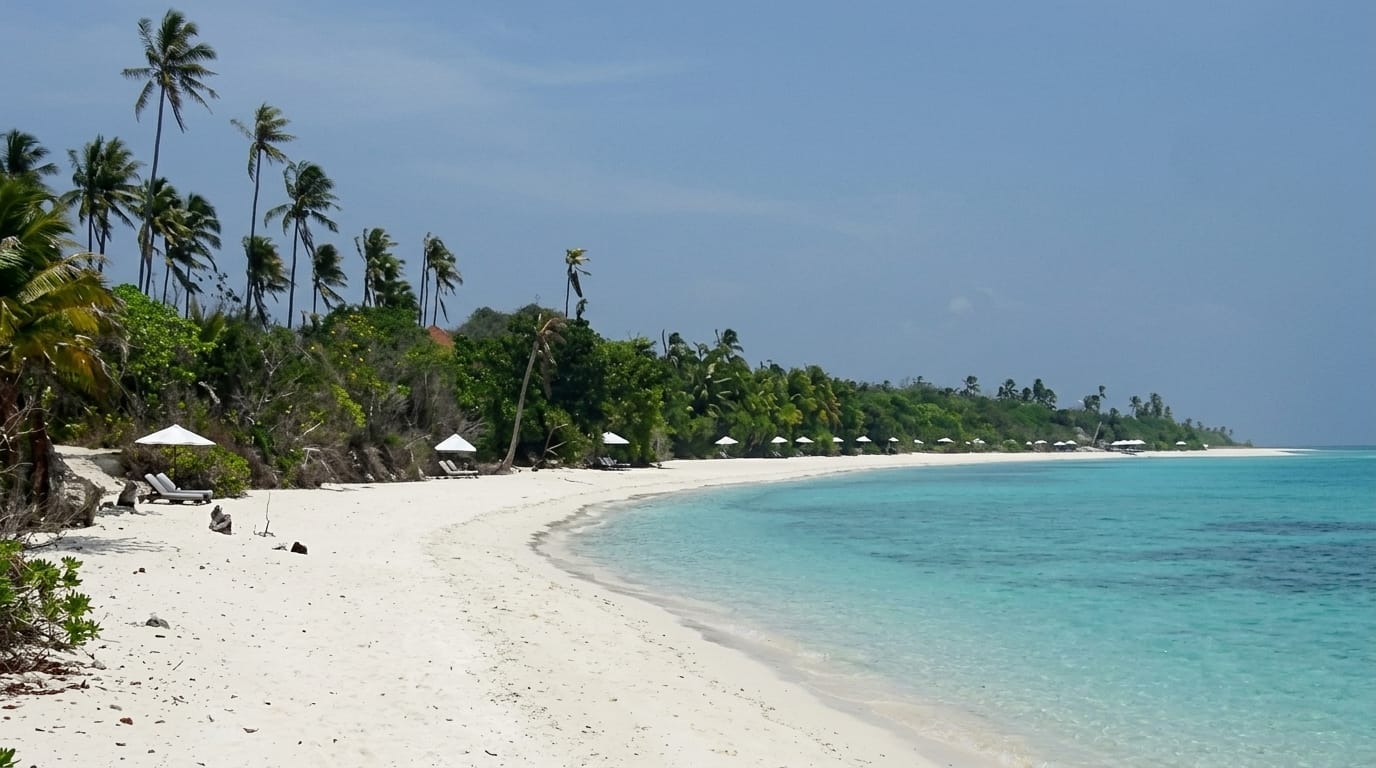
AI illustration
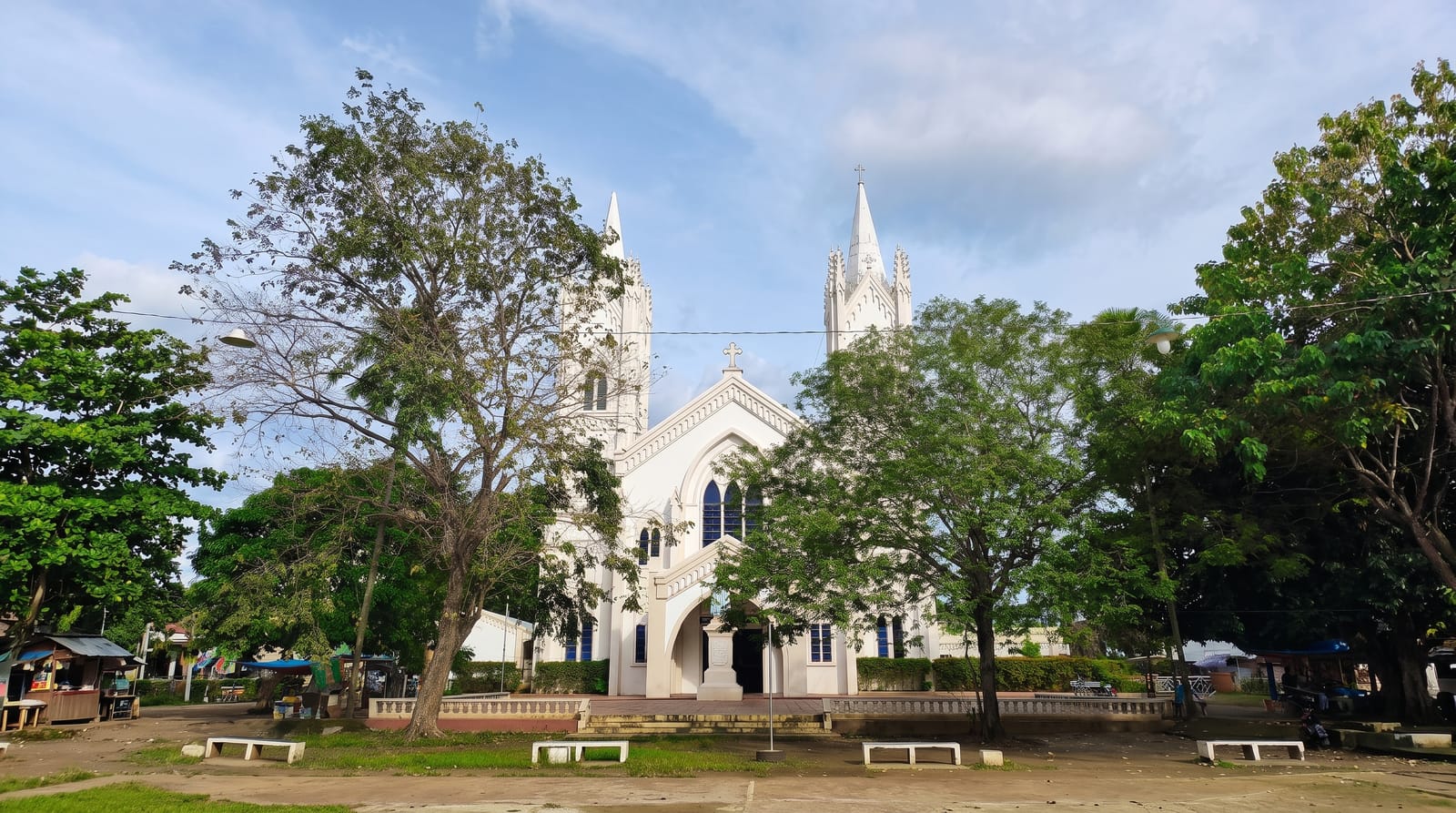
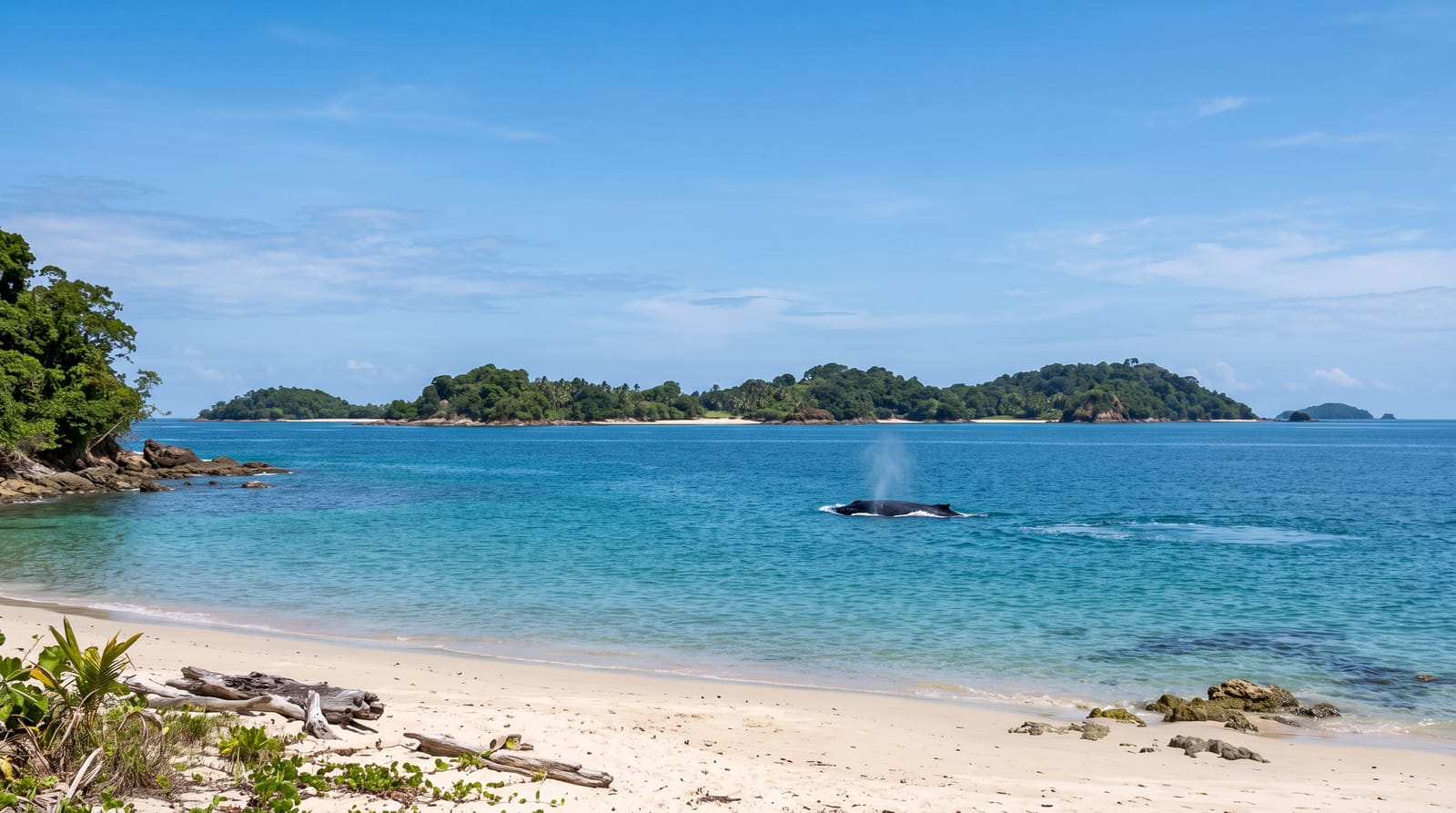
Cuyo lies out in the Sulu Sea roughly halfway between Palawan and Panay, and it was the capital of Palawan before Puerto Princesa - a fact that explains its centrepiece, the fortress church of Cuyo, built by Recollect and Augustinian missionaries and completed in 1680 with the church, convent and bell towers enclosed inside defensive stone walls against raids from the sea, and still in use. The Cuyonon people speak their own language and keep their own traditions, including the Ati-Atihan-style festivities and the sinamay weaving. Around the town are white beaches, the Capusan and Victoria shores, small islands offshore, and a steady amihan wind from late in the year that has made Cuyo a modest kiteboarding destination. Getting there is the obstacle: ferries take many hours from either direction and run irregularly, which is why the island stays as quiet as it does.
History
Traders from the east were early visitors, and settlers led by the Malay chief Matuod, and later the Muslim chieftain Datu Magbanua, made their homes on the island; Chinese who found gold on Mount Aguado were in time expelled by the islanders. The Spanish reached Cuyo in 1571, in the time of Miguel López de Legazpi, set up the encomienda system in 1580 and began formal missionary work in 1622. In 1636 a fleet under Datu Tagul raided Cuyo, burned the town and carried off prisoners, among them a priest, and to guard against such raids Recollect and Augustinian missionaries built the church, convent and fort, completed in 1680. In 1873 the capital of the province of Paragua, today's Palawan, moved here from Taytay, and Cuyo kept that role until 1903 (Wikipedia, Cuyo, Palawan).
What you'll find
- The fortress church - walls enclosing the church and convent.
- The town - Cuyonon streets and the old capital's remnants.
- The white beaches - Capusan and the shores around town.
- The wind season - the amihan that brings kiteboarders.
When to go
November to April for the dry season and the wind. Ferries are least reliable in the storm months, and schedules thin out considerably outside peak periods.
What to expect
Access is the difficulty - long ferry crossings on irregular schedules, and flights are occasional at best. Accommodation is small lodges and homestays. Bring cash; banking is limited.
Nearby
Puerto Princesa and Iloilo are the ferry ports; the Cuyo archipelago's smaller islands are reached by local boat.
Key facts
Source: Wikidata, item Q1146733, read on 18 October 2026.
What to pack for Cuyo Island
Chosen from what this place is for. Tap a kit for the full checklist.
- Reef-safe sunscreen - High SPF that will not bleach the coral you are swimming over. Find on Amazon
- Quick-dry towel - A microfibre towel packs small and dries in minutes. Find on Amazon
- Water shoes - Protect your feet on rocky entries, hot sand and sea-urchin spines. Find on Amazon
- Dry bag - Keeps phone, cash and keys safe while you are in the water. Find on Amazon
Some links on this page are Amazon affiliate links - if you buy through them we may earn a small commission at no extra cost to you.
All packing kitsPlan your trip
Where to start if Cuyo Island is going on the list.
Booking links on this page are affiliate links - if you book through them we may earn a small commission at no extra cost to you. It never changes what we write about a place.
Opening times, ticket prices and seasonal closures change - check the official source before you go: official site.