Casa Gorordo Museum
A nineteenth-century Cebu townhouse presented as a museum of how a well-off family actually lived, room by room.
Updated 21 October 2026

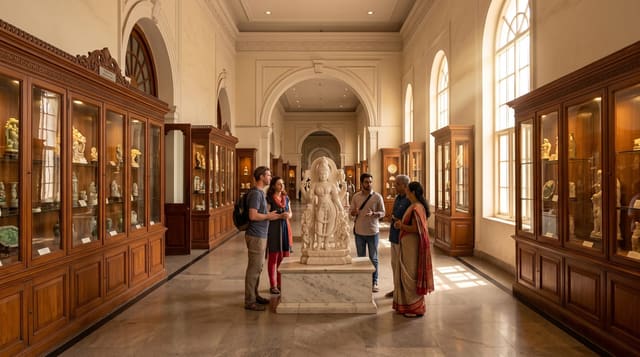
AI illustration
Casa Gorordo was built in the 1850s in Cebu's Parian district and bought in the 1860s by the Gorordo family, one of whose sons became the first Filipino bishop of Cebu. The house passed to a foundation in 1979 and, after restoration, opened in December 1983 as Cebu's first public museum; it was later reinterpreted with a considerably more thoughtful approach than most heritage houses in the country: rather than simply furnishing rooms with period pieces, the museum uses the objects, sound, and interpretive panels to explain domestic life in the late nineteenth century - how food was prepared, how the household was staffed, what people wore, what a family of that class read and believed. The building itself is a bahay na bato of coral stone and hardwood with capiz windows and a wide azotea. It is the best-presented house museum in the Visayas, and it sits within walking distance of the Yap-Sandiego house and the Jesuit House.
History
Alejandro Reynes y Rosales built the house in the 1850s in the old Parian district, and four generations of the Gorordo family lived in it, among them Juan Gorordo, the first native Filipino bishop of Cebu. The Ramon Aboitiz Foundation acquired it from the family in 1979, and after restoration it opened in December 1983 as Cebu's first public museum (Wikipedia, Casa Gorordo Museum).
Highlights
- The furnished rooms - the household as it was arranged and used.
- The interpretive displays - domestic life explained in detail.
- The azotea and courtyard - the outdoor rooms of the house.
- The bahay na bato structure - coral stone below, hardwood above.
When to go
Year-round; weekday mornings are quiet. It closes on Mondays and keeps set hours - check before going.
Practical notes
It is a restored and reinterpreted house, not untouched original fabric. Entry is charged and photography is restricted in places. An hour and a half covers it comfortably.
Nearby
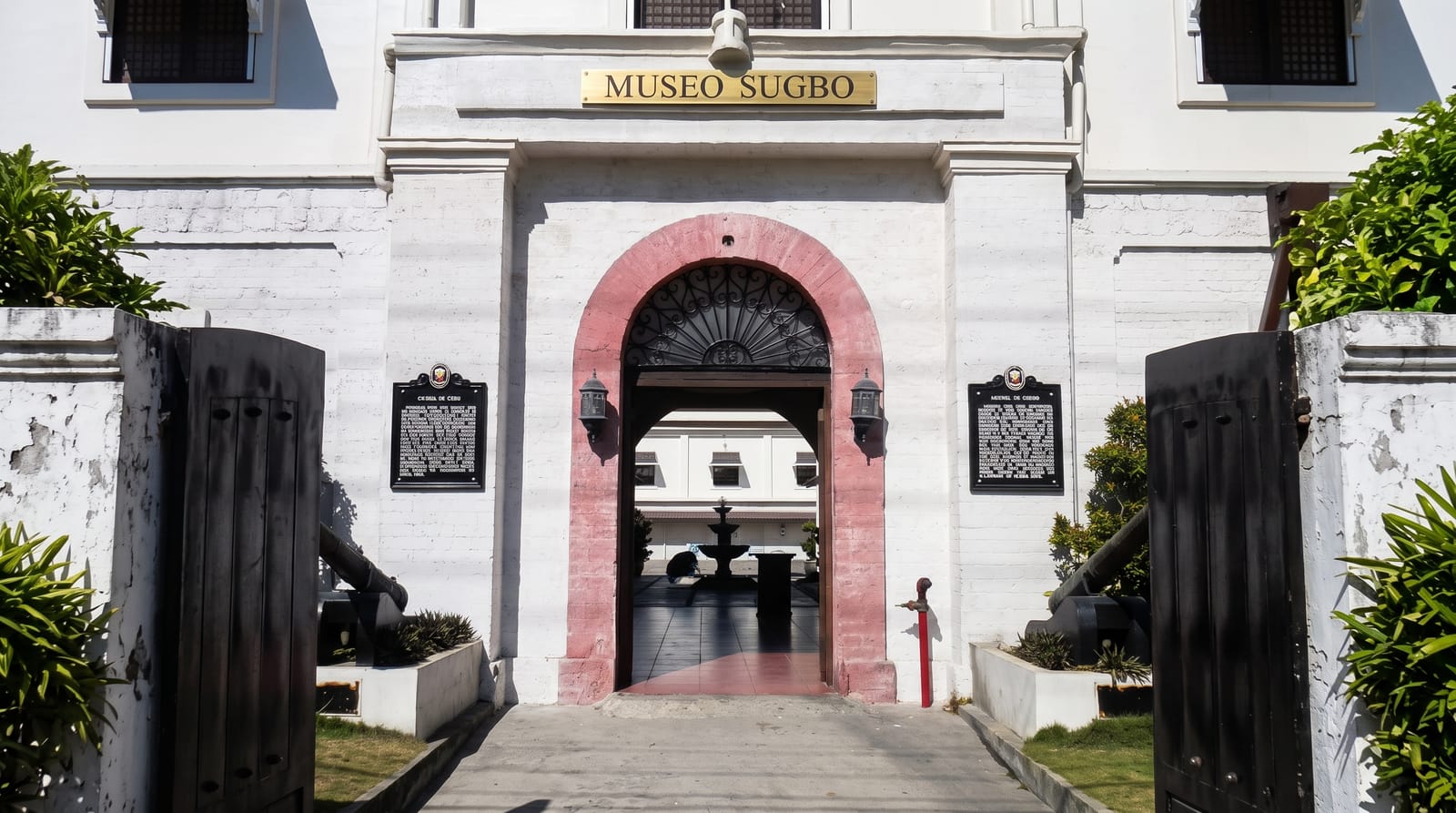
The Yap-Sandiego house and the Jesuit House of 1730 are a short walk; Museo Sugbo is fifteen minutes away.
Key facts
Source: Wikidata, item Q46793290, read on 18 October 2026.
What to pack for Casa Gorordo Museum
Chosen from what this place is for. Tap a kit for the full checklist.
- Comfortable walking shoes - Sightseeing means kilometres of pavement and cobbles daily. Find on Amazon
- A slim anti-theft daypack - Zips that close properly; keep it in front in crowds and on transit. Find on Amazon
- A refillable water bottle - Many cities have public fountains; save money and plastic. Find on Amazon
- A light layer + compact umbrella - For museum air-con and a sudden shower. Find on Amazon
Some links on this page are Amazon affiliate links - if you buy through them we may earn a small commission at no extra cost to you.
All packing kitsPlan your trip
Where to start if Casa Gorordo Museum is going on the list.
Booking links on this page are affiliate links - if you book through them we may earn a small commission at no extra cost to you. It never changes what we write about a place.
Opening times, ticket prices and seasonal closures change - check the official source before you go: official site.