Banig Weaving of Basey
Sleeping mats woven from dyed tikog grass in Basey, Samar - some of the work done inside a cave where the humidity keeps the fibre supple.
Updated 24 August 2026

AI illustration
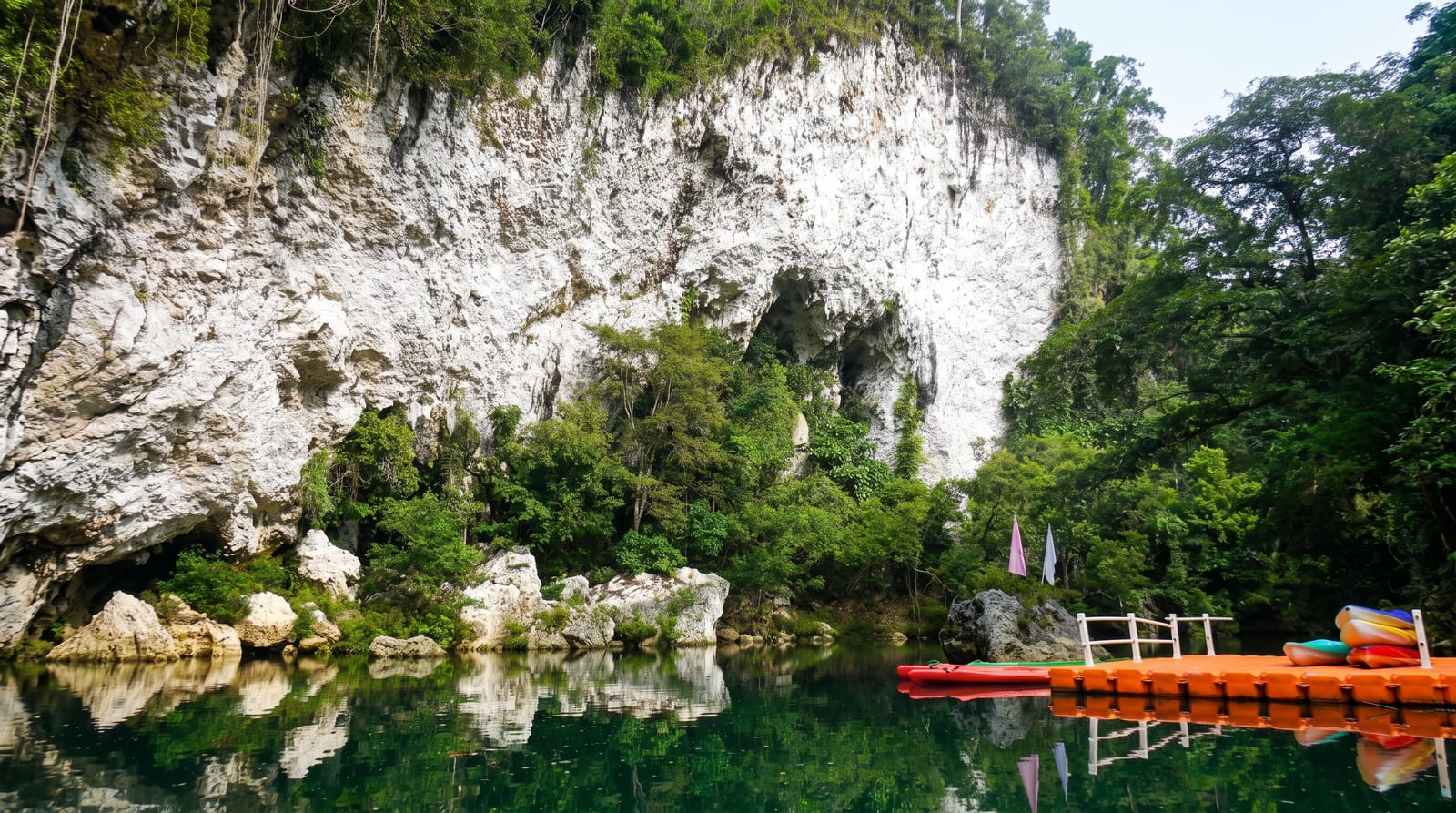
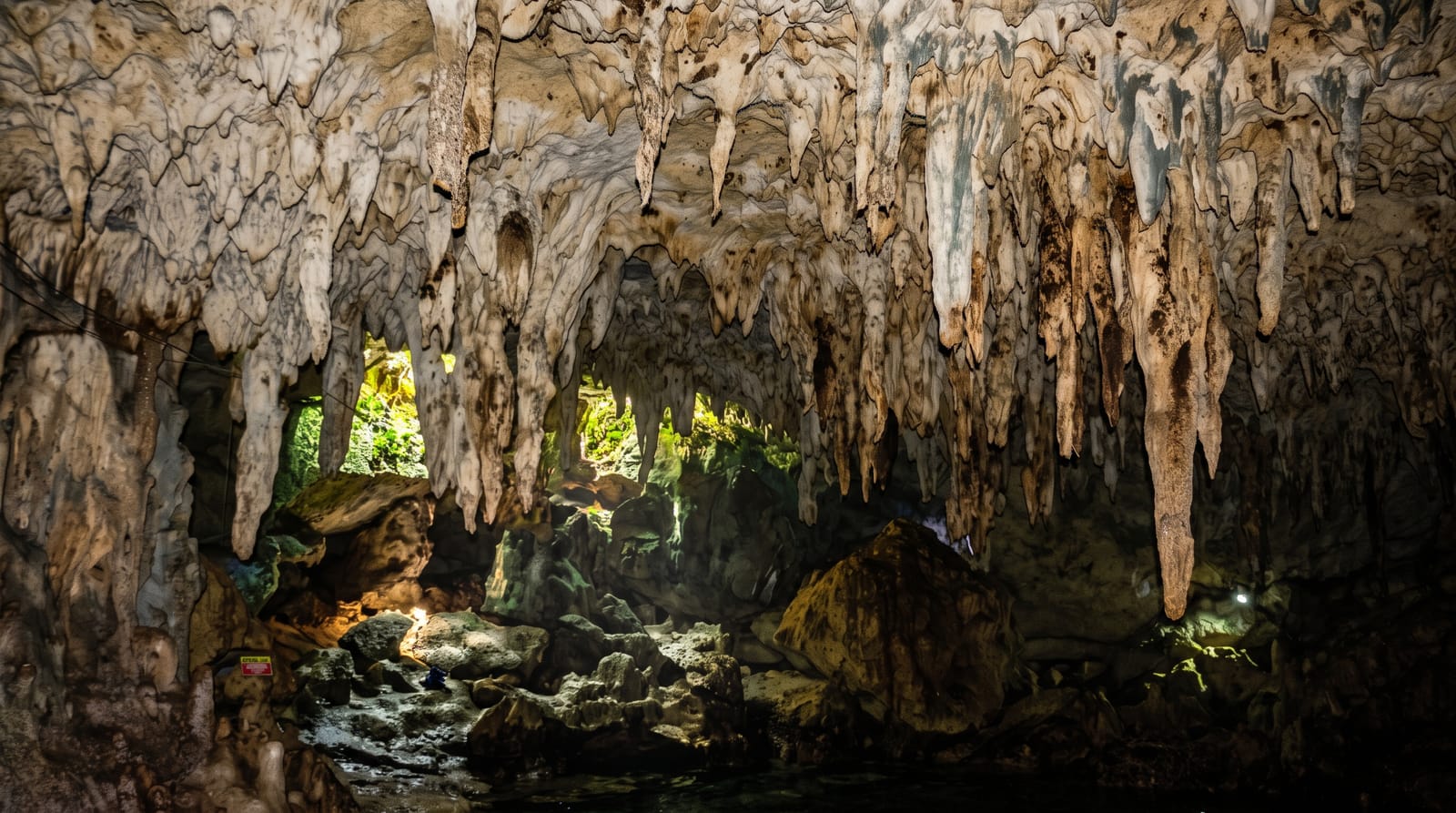
Banig are the mats Filipinos sleep on, sit on and wrap things in, and Basey in Samar makes the finest of them from tikog, a marsh sedge that grows in the surrounding wetlands. The stalks are cut, flattened, sun-dried, dyed in bright colours and woven into mats with geometric patterns, lettering and pictorial designs - work that takes days for a single large piece. The detail Basey is known for is where some of it happens: weavers work inside the mouth of a cave near the town, because the constant humidity there keeps the tikog pliable and prevents it cracking as it would in the open air, and the cool is welcome besides. Mats, bags, table runners and wallets are sold in the town and at the Sohoton visitor centre. Basey took heavy damage from Typhoon Yolanda in 2013, and the craft has been part of the town's recovery.
What's there
- The tikog preparation - stalks flattened, dried and dyed.
- The cave weaving - work done in the humid cave mouth.
- The patterned mats - geometric and pictorial designs.
- The town shops - mats, bags and runners for sale.
When to go
December to May for road travel. Weekday working hours; the cave weaving is not always in progress, so ask at the tourism office in town.
What to expect
Weaving in the cave depends on who is working that day - it is not a scheduled demonstration. These are small producers; buying is the courtesy after watching. Large mats are bulky to carry.
Nearby
The Sohoton caves and natural bridge are up the river from Basey; Tacloban and San Juanico Bridge are an hour away.
What to pack for Banig Weaving of Basey
Chosen from what this place is for. Tap a kit for the full checklist.
- Head torch + spare batteries - Hands-free light is essential; caves are truly dark. Find on Amazon
- Strong insect repellent - DEET or picaridin; the jungle is where bites and disease risk are highest. Find on Amazon
- Comfortable walking shoes - Sightseeing means kilometres of pavement and cobbles daily. Find on Amazon
- Grippy closed shoes - Cave floors are wet, muddy and slick with formations. Find on Amazon
Some links on this page are Amazon affiliate links - if you buy through them we may earn a small commission at no extra cost to you.
All packing kitsPlan your trip
Where to start if Banig Weaving of Basey is going on the list.
Booking links on this page are affiliate links - if you book through them we may earn a small commission at no extra cost to you. It never changes what we write about a place.
Opening times, ticket prices and seasonal closures change - check the official source before you go: official site.