Bahay Tsinoy
A museum in Intramuros telling the long history of the Chinese in the Philippines - trade, the Parián, massacres, integration and the Tsinoy present.
Updated 21 October 2026
AI illustration
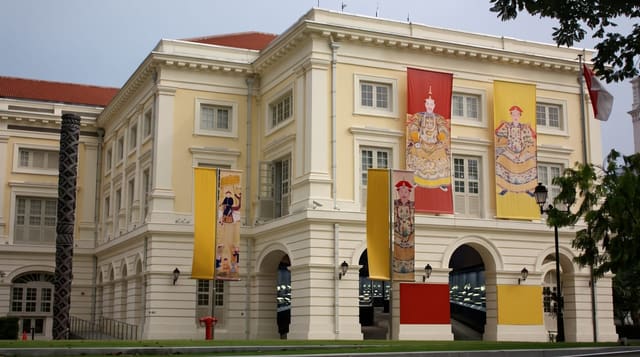
Bahay Tsinoy occupies the Kaisa Heritage Center in Intramuros and covers a subject most Philippine museums touch only in passing: the Chinese presence in the archipelago, from pre-colonial trade in ceramics and iron through the Spanish period - when Chinese residents were confined to the Parián outside the walls, taxed, periodically expelled and, on several occasions in the seventeenth century, massacred in numbers - to the mestizo families who became part of the national elite, the wartime resistance, and the Tsinoy communities of today. The displays use dioramas, artefacts, ceramics recovered from trade sites, documents and photographs, with a gallery of Chinese-Filipino figures in national life. It is a small institution with a clear argument, run by the Kaisa Para Sa Kaunlaran foundation in a building designed by Eva Penamora with Honrado Fernandez and opened in 1999, and it fills a gap that the walk between San Agustin and Fort Santiago otherwise leaves open.
Highlights
- The trade ceramics - pre-colonial goods from the China trade.
- The Parián dioramas - life in the Chinese quarter outside the walls.
- The documentary record - the expulsions, taxes and massacres.
- The Tsinoy gallery - Chinese-Filipino figures in national life.
When to go
Year-round; weekday mornings are quiet. It keeps museum hours - check before going.
Before you go
It is small and text-heavy - the interest is the history rather than spectacle. Entry is charged. Photography is restricted in parts of the museum.
Nearby
Casa Manila, San Agustin Church and Fort Santiago are all within Intramuros; Binondo is across the river.
What to pack for Bahay Tsinoy
Chosen from what this place is for. Tap a kit for the full checklist.
- Comfortable walking shoes - Sightseeing means kilometres of pavement and cobbles daily. Find on Amazon
- A slim anti-theft daypack - Zips that close properly; keep it in front in crowds and on transit. Find on Amazon
- A refillable water bottle - Many cities have public fountains; save money and plastic. Find on Amazon
- A light layer + compact umbrella - For museum air-con and a sudden shower. Find on Amazon
Some links on this page are Amazon affiliate links - if you buy through them we may earn a small commission at no extra cost to you.
All packing kitsPlan your trip
Where to start if Bahay Tsinoy is going on the list.
Booking links on this page are affiliate links - if you book through them we may earn a small commission at no extra cost to you. It never changes what we write about a place.