Huancavelica
A high colonial city of stone churches built on mercury, the mine that supplied the silver refining of the whole empire.
Updated 21 October 2026
Huancavelica sits at 3,680 metres and exists because of Santa Bárbara, the mercury mine opened in 1564 in the hills above it. Mercury was essential to the patio process that refined silver, and Potosí depended on Huancavelica; the Spanish crown ran the mine under the mita, a system of forced rotational labour drawing indigenous workers from across the region, and conditions were so lethal - mercury poisoning, cave-ins - that it was known as the mine of death. The wealth built the churches: a cathedral and several colonial churches of stone with carved facades and gilded altarpieces, an unusual concentration for a small city. The mine site above town can be visited. There are thermal baths at San Cristóbal, a Sunday market, and a strong weaving tradition in the surrounding communities. It is remote, cold, and gets very few visitors.
History
The mercury deposits were revealed in 1564, or 1566, by Nahuincopa to his master Jerónimo Luis de Cabrera; the Spanish crown took them over in 1570, and Viceroy Francisco de Toledo founded the city on 5 August 1572 as Villa Rica de Oropesa. In 1648 a viceroy called Potosí and Huancavelica "the two pillars that support this kingdom and that of Spain", and a 1977 recording of a wedding song from the region travels on the Voyager Golden Record (Wikipedia, Huancavelica).
What you'll find
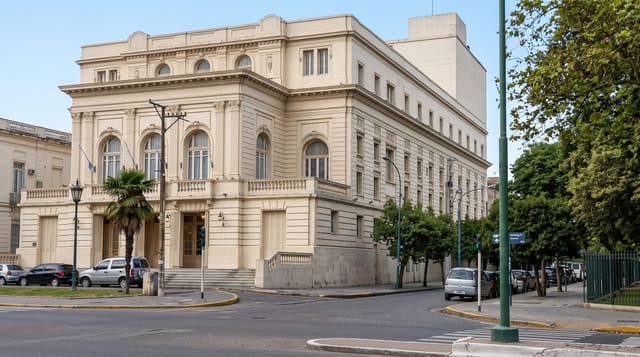
- The churches - a cathedral and several colonial stone churches with gilded interiors.
- Santa Bárbara - the mercury mine above the town, and its history of forced labour.
- The thermal baths - the San Cristóbal springs in the city.
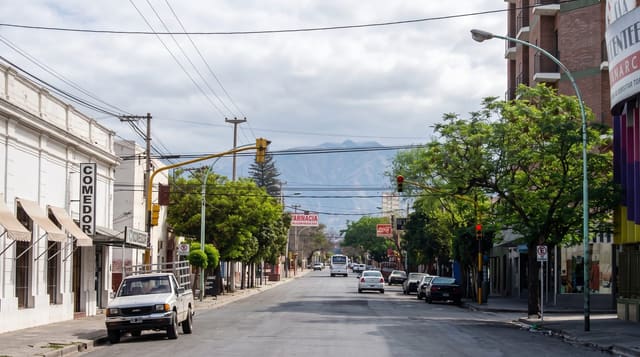
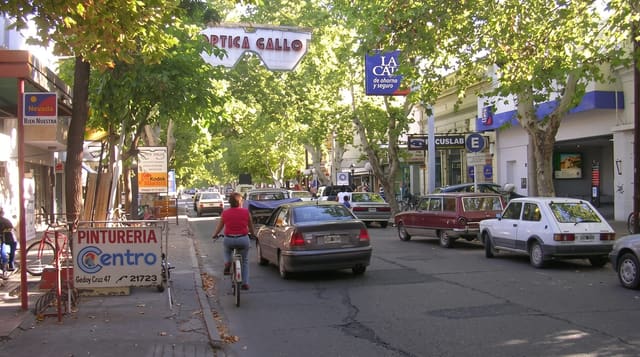
- The setting - a colonial city at 3,680 metres in remote highlands.
When to go
May to September. A day or two. The road from Huancayo takes four to five hours; the Tren Macho railway runs on limited days.
What to expect
Cold, high and remote, with limited tourist infrastructure and few restaurants. Churches keep irregular hours. The mine site requires a guide and the history is grim. Roads in are long and rough.
Nearby
Huancayo is north; the road south crosses the puna towards Ayacucho.
Key facts
Source: Wikidata, item Q1000333, read on 18 October 2026.
What to pack for Huancavelica
Chosen from what this place is for. Tap a kit for the full checklist.
- Head torch + spare batteries - Hands-free light is essential; caves are truly dark. Find on Amazon
- Layers for big temperature swings - Warm sun by day, near-freezing at night, even near the equator. Find on Amazon
- Comfortable walking shoes - Sightseeing means kilometres of pavement and cobbles daily. Find on Amazon
- Modest clothing - Shoulders and knees covered - the single most common requirement. Find on Amazon
Some links on this page are Amazon affiliate links - if you buy through them we may earn a small commission at no extra cost to you.
All packing kitsPlan your trip
Where to start if Huancavelica is going on the list.
Booking links on this page are affiliate links - if you book through them we may earn a small commission at no extra cost to you. It never changes what we write about a place.
Opening times, ticket prices and seasonal closures change - check the official source before you go: official site.