Cusco
The historic capital of the Inca empire - a beautiful UNESCO city where colonial churches rise on massive Inca stone foundations, the gateway to Machu Picchu, high in the Andes.
Updated 18 October 2026
AI illustration
UNESCO World Heritage
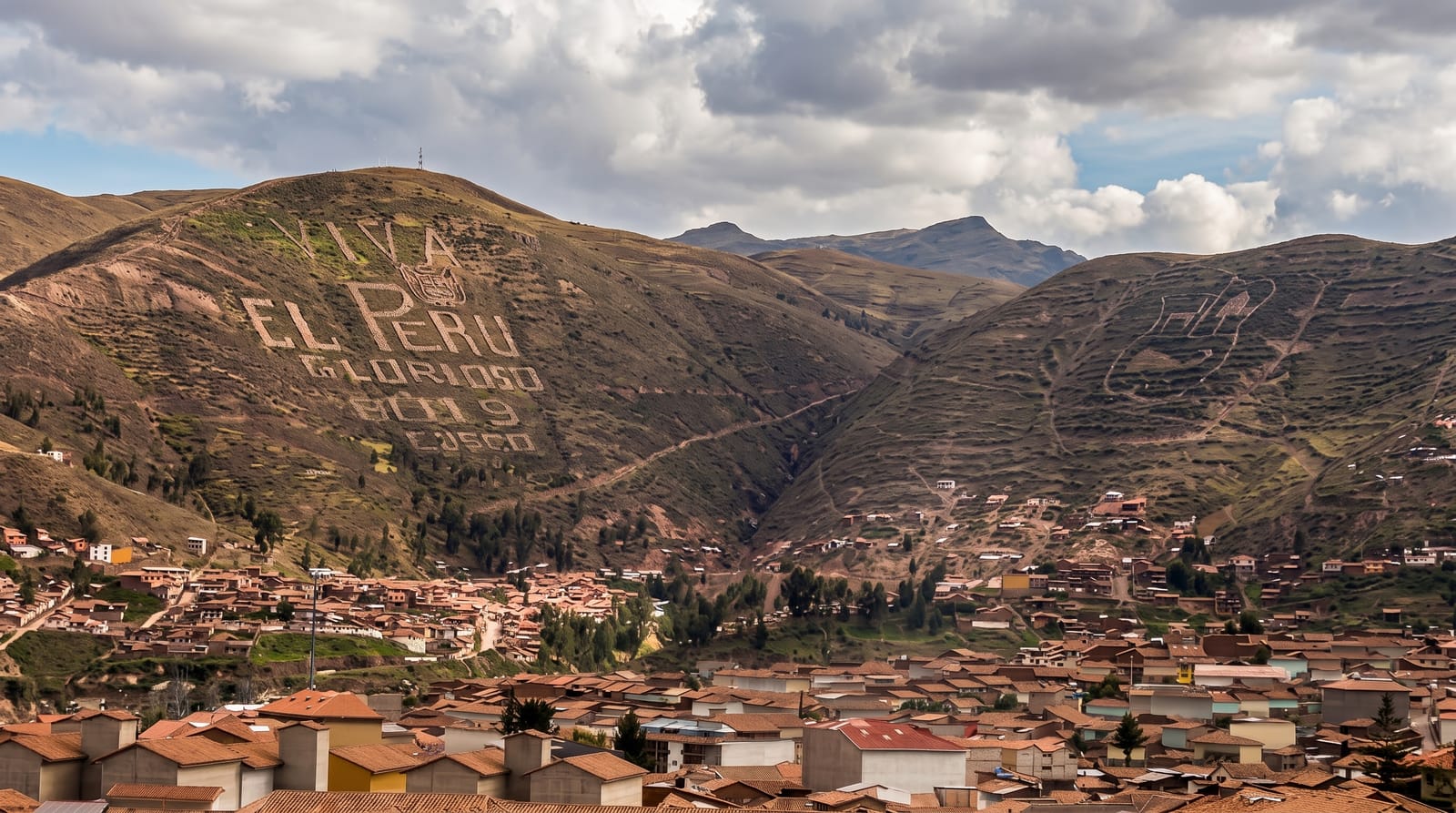
Cusco was the historic capital of the mighty Inca empire and is now one of the most beautiful cities in South America, a UNESCO gem high in the Andes. Here the Spanish built their colonial churches and mansions directly on the massive, precisely fitted stone foundations of the Incas, a striking fusion of two worlds. Its grand plaza, cobbled lanes and living Andean culture make it the perfect base and gateway to Machu Picchu.
History
The Killke people held the region from 900 to 1200, and radiocarbon dating shows they built Saksaywaman around 1100; the Incas arrived in the 13th century, and tradition says Manco Cápac founded the city in the 12th as capital of the Kingdom of Cusco, later of the Inca Empire, while Inca legend credits Pachacuti with rebuilding it as he turned a small city-state into the vast empire of Tawantinsuyu. Many believe the city was laid out in the shape of a puma, divided into upper and lower halves and four quarters from which roads ran to the four parts of the empire, and every provincial lord had to keep a house here and live in it part of the year. The first three Spaniards arrived in May 1533 to gather Atahualpa's ransom, Francisco Pizarro entered the city on 15 November 1533, and it was refounded on 23 March 1534, most of it built over Inca monuments; in 1983 it became a World Heritage Site (Wikipedia, Cusco).
Highlights
- The Plaza de Armas - the grand square and its colonial cathedral.
- The Inca stonework - the massive fitted walls, like the famous twelve-angled stone.
- Qorikancha - the Inca sun temple beneath a colonial convent.
- San Blas - the artisan quarter of steep cobbled lanes.
When to go
May to September, the dry season, for the clearest weather; it is the base for the Sacred Valley and Machu Picchu. Arrive a day or two early to acclimatise to the high altitude before trekking or heading higher.
Things to know
At 3,400 metres, the altitude can cause soroche, or altitude sickness, so take it easy on arrival, rest, and acclimatise before any trek; coca tea and slow days help. It is touristy around the plaza, with persistent street sellers. Nights are cold year-round. It is best given a couple of days to acclimatise and explore.
Nearby
The Sacred Valley, Machu Picchu and Rainbow Mountain are all reached from Cusco.
Key facts
Source: Wikidata, item Q5582862, read on 18 October 2026.
What to pack for Cusco
Chosen from what this place is for. Tap a kit for the full checklist.
- Broken-in walking shoes or boots - Grip and ankle support matter more than looks; never hike in brand-new boots. Find on Amazon
- Layers for big temperature swings - Warm sun by day, near-freezing at night, even near the equator. Find on Amazon
- Comfortable walking shoes - Sightseeing means kilometres of pavement and cobbles daily. Find on Amazon
- Modest clothing - Shoulders and knees covered - the single most common requirement. Find on Amazon
Some links on this page are Amazon affiliate links - if you buy through them we may earn a small commission at no extra cost to you.
All packing kitsPlan your trip
Where to start if Cusco is going on the list.
Booking links on this page are affiliate links - if you book through them we may earn a small commission at no extra cost to you. It never changes what we write about a place.
Opening times, ticket prices and seasonal closures change - check the official source before you go: official site.