Ají Pepper Heritage
The native chillies that underpin Peruvian cooking, domesticated here thousands of years before anyone else grew them.
Updated 28 August 2026
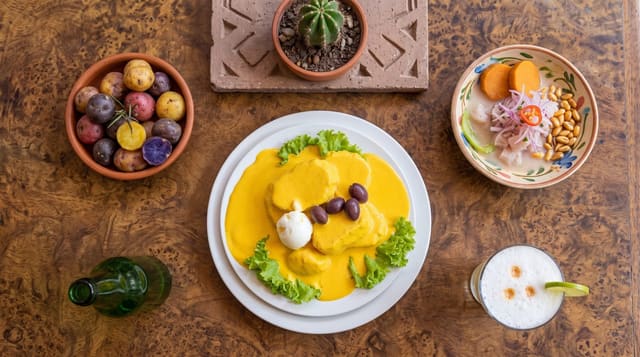
Chillies were domesticated in the Andes and Amazon among the earliest crops anywhere - remains from Peruvian coastal sites go back thousands of years - and Peru uses them differently from Mexico or Asia. Ají amarillo, despite the name, is orange, and it is used more for its fruity flavour and colour than its heat; it is the base of causa, ají de gallina and much else, usually as a deseeded paste. Ají panca is dark red, dried, mild and smoky, and it marinates anticuchos and seco. Rocoto is the hot one - a thick-walled fruit with black seeds, used in Arequipa's rocoto relleno and in the sauces put on every table. Ají limo is the coastal chilli of ceviche. Beyond these are dozens of Amazonian and regional varieties, including charapita, tiny and fiercely hot. Most Peruvian dishes carry ají for flavour rather than burn, with heat added at the table.
Highlights
- Ají amarillo - orange, fruity, used as paste for colour and flavour.
- Ají panca - dark, dried, smoky and mild, the marinade base.
- Rocoto - thick-walled and genuinely hot, with black seeds.
- The domestication - among the earliest crops grown anywhere, thousands of years ago.
When to go
Year-round; markets carry the full range fresh, dried and as paste. Any market visit shows them.
Good to know
Rocoto and charapita are seriously hot - the table sauces in Peru are not mild. Ají amarillo paste sold abroad is often heavily salted and not comparable. Fresh chillies are restricted for import into many countries; paste in jars usually is not.
Nearby
Surquillo and the Mercado Central in Lima carry the widest range; regional markets carry local varieties.
What to pack for Ají Pepper Heritage
Chosen from what this place is for. Tap a kit for the full checklist.
- A reusable bag or container - For market produce and cutting down on packaging. Find on Amazon
- Wet wipes + hand sanitiser - Street food and washbasins do not always go together. Find on Amazon
Some links on this page are Amazon affiliate links - if you buy through them we may earn a small commission at no extra cost to you.
All packing kitsPlan your trip
Where to start if Ají Pepper Heritage is going on the list.
Booking links on this page are affiliate links - if you book through them we may earn a small commission at no extra cost to you. It never changes what we write about a place.
Opening times, ticket prices and seasonal closures change - check the official source before you go: official site.