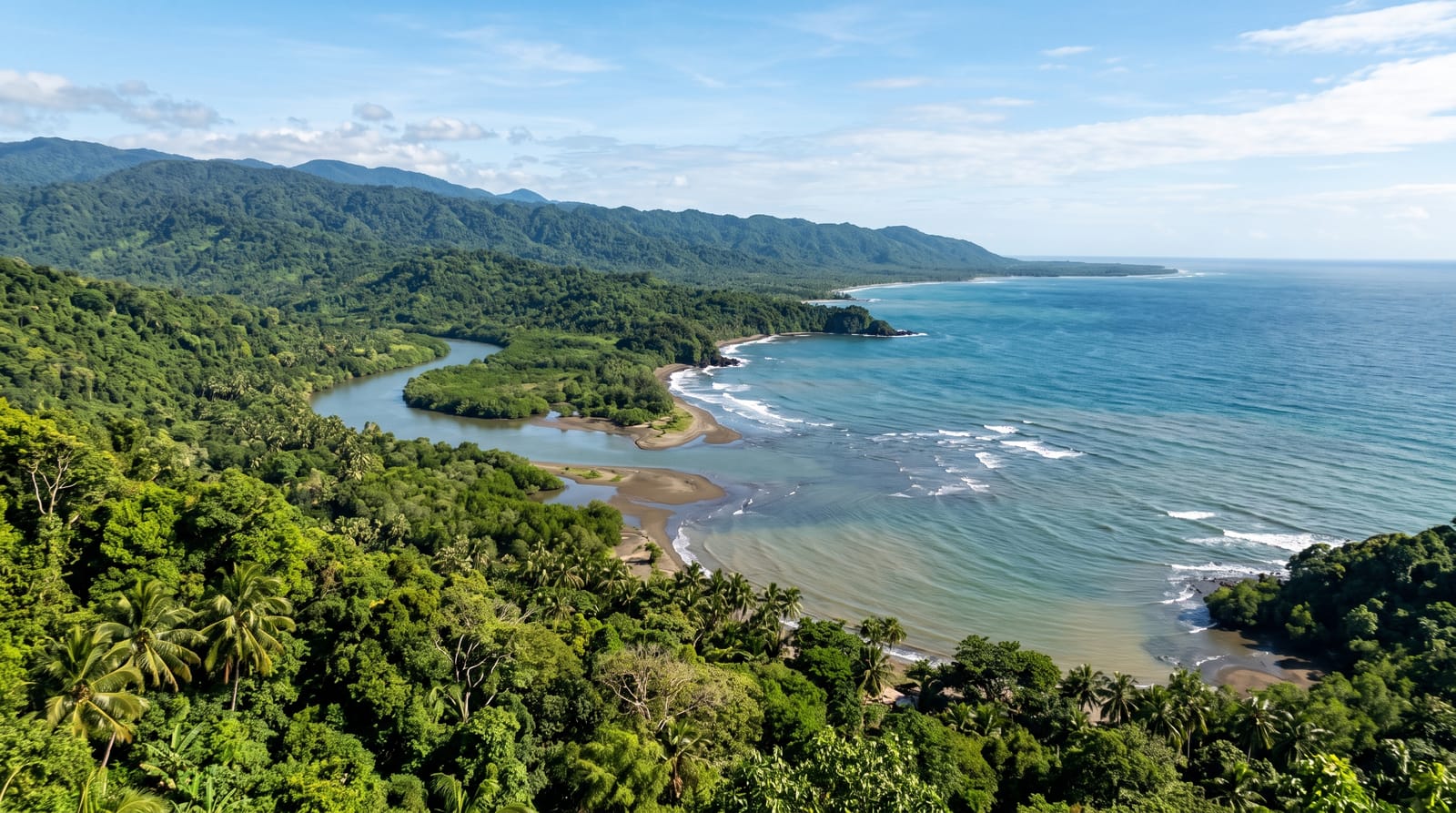
San Rafael National Park
The largest surviving block of Atlantic Forest in Paraguay, in Itapua, with the richest bird list in the country.
Updated 1 September 2026
San Rafael covers around seventy thousand hectares in Itapua and holds the largest remaining block of Atlantic Forest in Paraguay, a biome reduced across the country to a small fraction of its original extent. The bird list runs past four hundred species, the highest anywhere in Paraguay, including the black-fronted piping guan, helmeted woodpecker, vinaceous-breasted parrot and a long list of Atlantic Forest endemics, and it is the country's principal birding destination. Its status is complicated: declared a national park but never fully expropriated, with much of the land privately owned and under continuing pressure from soya and cattle. Private reserves such as Guyra Reta and Kanguery provide the access and accommodation.
What you'll find
- Atlantic Forest - the largest surviving block of the biome in Paraguay.
- The bird list - the four hundred species including the endemics.
- Grassland patches - the natural campos within the forest mosaic.
- The private reserves - the lodges and stations that give access.
When to go
April to October in the cooler dry months; birding is good year round with breeding activity from September. Roads become difficult after rain. Visits are arranged through the reserves in advance.
Before you go
Much of the park is private land and access runs through a few reserves that must be booked. Roads in are rough and long. Accommodation is basic field-station lodging. Forest clearance continues at the edges and is visible.
Nearby
Encarnacion lies south; the Jesuit missions are southwest.
Key facts
Source: Wikidata, item Q28219762, read on 18 October 2026.
What to pack for San Rafael National Park
Chosen from what this place is for. Tap a kit for the full checklist.
- Broken-in walking shoes or boots - Grip and ankle support matter more than looks; never hike in brand-new boots. Find on Amazon
- Binoculars - The single best wildlife tool - even a compact pair transforms a sighting. Find on Amazon
- Layers + a waterproof shell - Mountain weather turns fast; a packable rain jacket saves the day. Find on Amazon
- A zoom camera or long lens - Animals rarely come close; reach beats megapixels. Find on Amazon
Some links on this page are Amazon affiliate links - if you buy through them we may earn a small commission at no extra cost to you.
All packing kitsPlan your trip
Where to start if San Rafael National Park is going on the list.
Booking links on this page are affiliate links - if you book through them we may earn a small commission at no extra cost to you. It never changes what we write about a place.
Opening times, ticket prices and seasonal closures change - check the official source before you go: official site.