The Trobriand Islands
The islands of the kula ring - yam-house villages, carving mastery, cricket reinvented as festival and a Pacific culture anthropology made famous.
Updated 21 October 2026
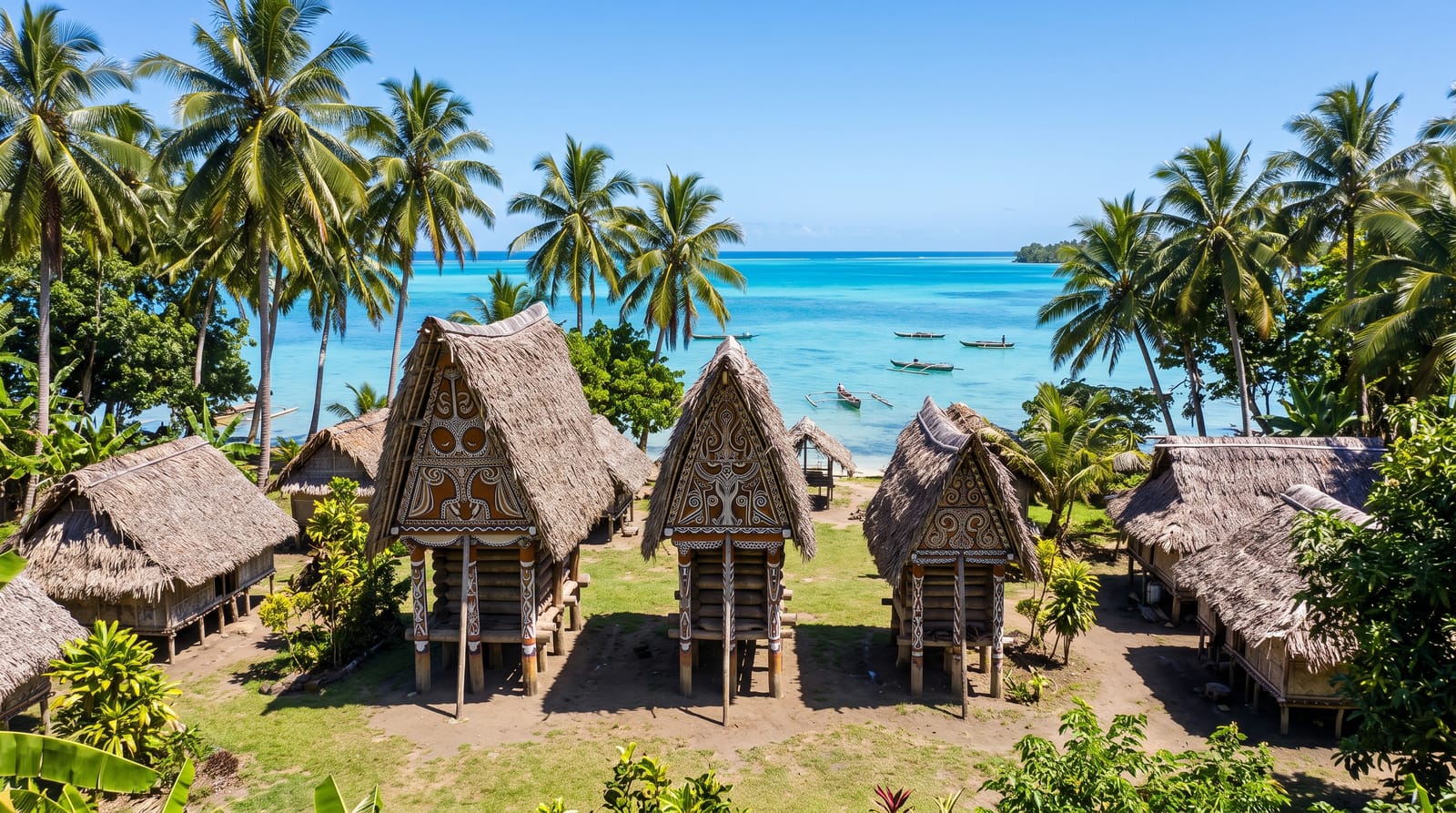
AI illustration
Flat coral islands in Milne Bay's north, the Trobriands run on institutions anthropology made world-famous and the islanders never stopped practising: the kula ring's ceremonial shell-valuable voyages still link the archipelago, chiefs' yam houses fill each harvest with painted, carved prestige, and the carving villages produce ebony bowls and figures collected globally. Village guesthouses host the modest visitor trade on Kiriwina, the main island: days move between gardens, beaches and lagoon paddles, and if timing favours you, the islands' own cricket - reinvented into a chanting, dancing festival of dozens-a-side - or the yam-harvest celebrations turn ordinary weeks ceremonial.
History
The first European visitor was the French ship Espérance in 1793, and Antoine Bruni d'Entrecasteaux named the islands after his first lieutenant, Denis de Trobriand. Whalers called in the 1850s and 1860s, the Methodist minister Samuel Fellows and his wife Sarah settled on Kiriwina in 1894, and the anthropologist Bronisław Malinowski, following C. G. Seligman, made the kula exchange famous (Wikipedia, Trobriand Islands).
The landscape
- The yam houses - carved, painted prestige granaries at the villages' hearts.
- The carving masters - ebony and kwila work from the famous villages.
- Trobriand cricket - the colonial game gone gloriously local.
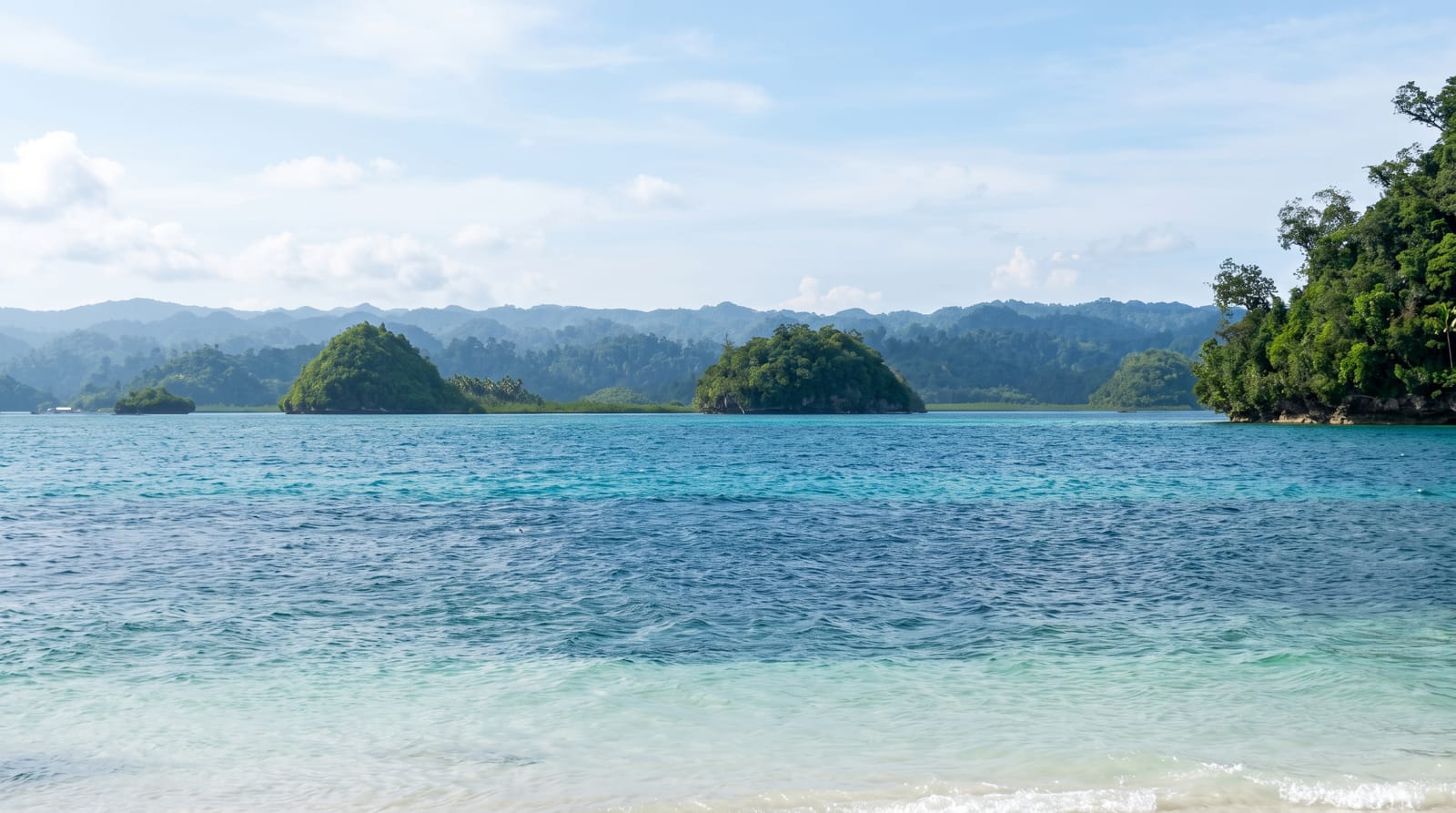
- The lagoon shores - coral shallows and paddling flats around Kiriwina.
When to go
May to November for drier weather; the yam harvest period - roughly mid-year - brings the festival energy the islands are famous for. Flights are few and small: fix them first, plan around them.
Practical notes
Tourism here is village-scale: guesthouses are simple, cash is essential, and customs - fees, permissions, modesty conventions - are navigated through your hosts; the famous openness of Trobriand culture does not mean visitors' rules lapse. Photograph people only by permission. Patience is the island clock's only setting.
Nearby
Alotau and Milne Bay's dive waters, and the wider island-hopping of the province.
Key facts
Source: Wikidata, item Q738652, read on 18 October 2026.
What to pack for The Trobriand Islands
Chosen from what this place is for. Tap a kit for the full checklist.
- Reef-safe sunscreen - High SPF that will not bleach the coral you are swimming over. Find on Amazon
- Quick-dry clothing - Board shorts or synthetics that shrug off spray and dry fast. Find on Amazon
- Quick-dry towel - A microfibre towel packs small and dries in minutes. Find on Amazon
- Secure water shoes or reef boots - Grip on slippery launches and protection on rocky shores. Find on Amazon
Some links on this page are Amazon affiliate links - if you buy through them we may earn a small commission at no extra cost to you.
All packing kitsPlan your trip
Where to start if The Trobriand Islands is going on the list.
Booking links on this page are affiliate links - if you book through them we may earn a small commission at no extra cost to you. It never changes what we write about a place.
Opening times, ticket prices and seasonal closures change - check the official source before you go: official site.