Sebastia
The hill of ancient Samaria - Iron Age palaces, Roman colonnades and Herodian grandeur layered above a village of stone.
Saved in this browser only - no account, nothing sent anywhere. See your map
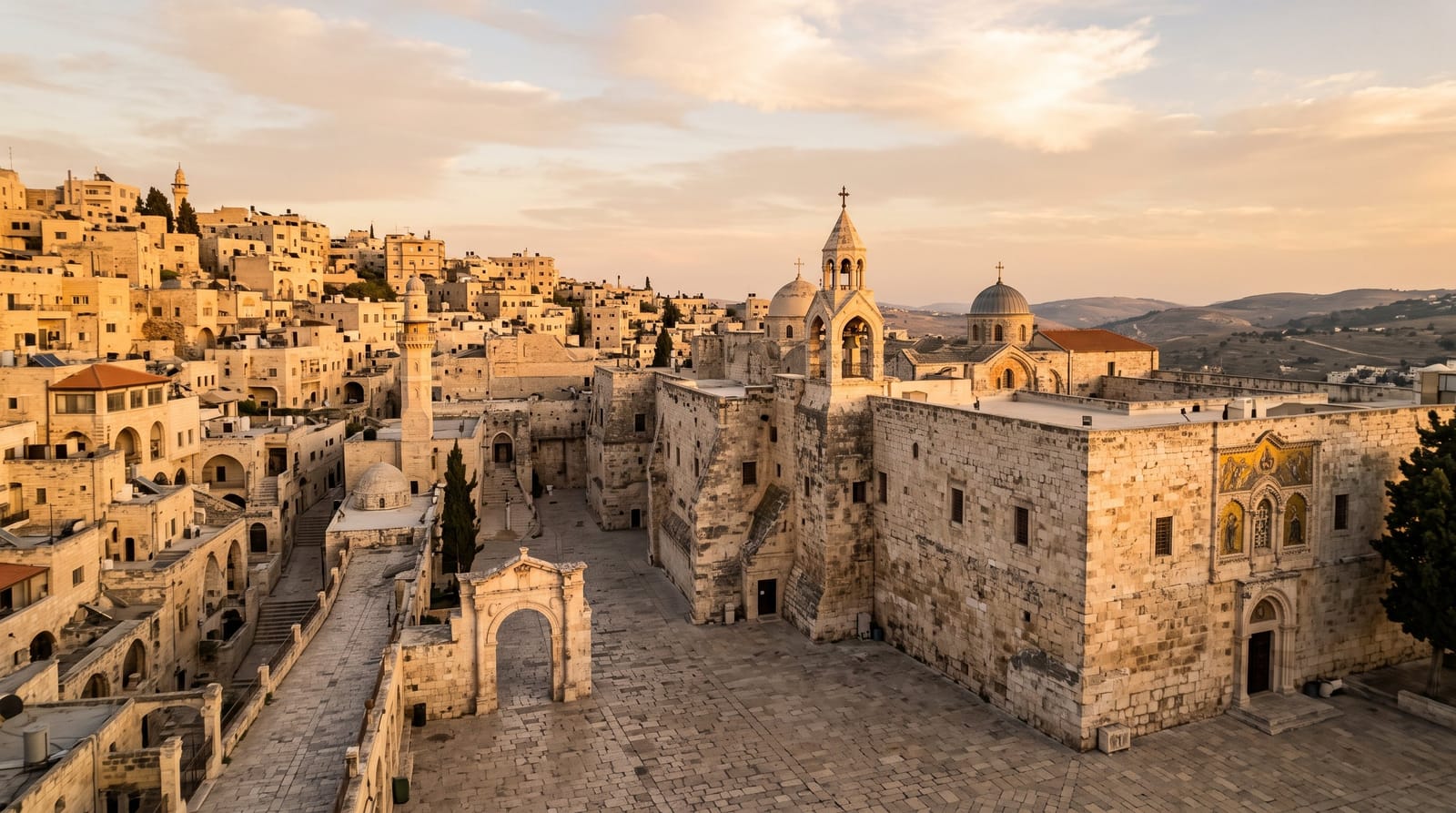
Sebastia's hill carries three thousand years in strata: the Iron Age capital of ancient Samaria left its palace foundations on the summit; Herod the Great rebuilt the city as Sebaste with the colonnaded street whose columns still march the ridge; Roman temple platforms, a theatre and gate towers layer the slopes; and tradition places a tomb of John the Baptist in the village mosque below, keeping pilgrimage among the site's long habits. The stone village at the hill's foot serves maqluba lunches and guides, and the summit's olive-grove ruins deliver West Bank archaeology at its most atmospheric.
What you actually see
- The colonnaded street - Herodian columns marching the ridge.
- The Iron Age summit - ancient Samaria's palace stones.
- The Roman theatre and gates - the slopes' imperial layers.
- The village and tomb tradition - living heritage at the hill's foot.
When to go
Spring wraps the ruins in wildflowers, autumn in olive-harvest light; mornings beat the heat on the exposed summit. Regional practicalities follow current local advice as standard.
Honest expectations
Plan by current local practicalities as standard. On site: interpretation is light - village guides or prior reading carry the layers; paths are ancient and uneven, and the olive groves are working land deserving care.
Nearby
Nablus, the northern terraces and the Jenin road.
What to pack for Sebastia
Chosen from what this place is for. Tap a kit for the full checklist.
Opening times, ticket prices and seasonal closures change - check the official source before you go: official site.