Sehwan Sharif
The shrine town of Lal Shahbaz Qalandar, where drumming and dhamaal dancing fill the courtyard every evening.
Updated 21 October 2026
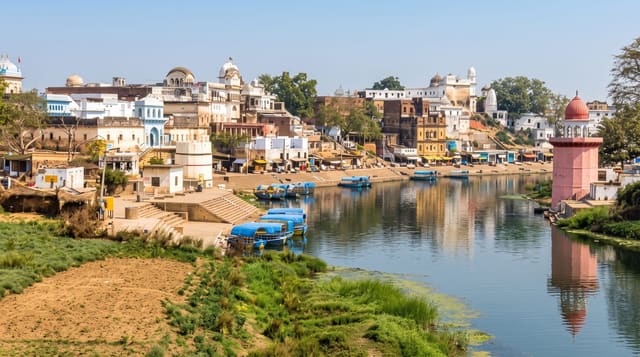
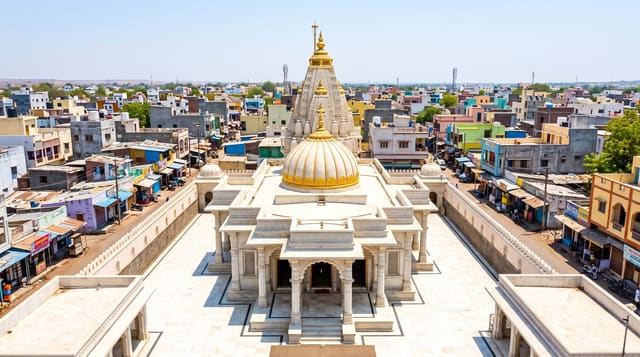
Lal Shahbaz Qalandar was a thirteenth-century Sufi poet and wandering ascetic whose shrine at Sehwan has become one of the most intensely devotional places in South Asia. The tomb sits under a gilded dome behind a silver gate, and the courtyard outside holds the dhamaal: every evening, drummers beat the great naqqara drums and devotees dance themselves into trance, men and women, in a practice that has continued for centuries and belongs to a strand of Islam that is deeply rooted in Sindh. The annual urs in the Islamic month of Shaban draws hundreds of thousands, filling the town completely. Sehwan itself is a dusty Indus town of narrow lanes, sweet shops and pilgrim lodgings, built beside a mound that holds an ancient fort, and the shrine dominates everything about it.
History
Sehwan is one of the oldest towns of Sindh, first known as Sivisthan after the ancient Sivi janapada; some identify it with Sindomana of the Greek sources, the capital of King Sambos whom Alexander defeated in 326 BC, and the mound of Kafir Qila north of the town is linked with that period. It later served as the capital of the Thatta kingdom and passed through the Sumra, Samma, Arghun and Tarkhan dynasties before the Mughals, the Kalhoras and the Talpurs (Wikipedia, Sehwan).
What you'll find
- The shrine of Lal Shahbaz Qalandar - the gilded dome and silver gate.
- The evening dhamaal - drumming and trance dancing in the courtyard.
- The urs - the annual festival filling the town with pilgrims.
- The old fort mound - the ancient earthwork beside the town.
When to go
November to February for the weather; the urs, on the Islamic calendar, is the extraordinary time to be here but also the most crowded and demanding. The dhamaal happens most evenings year-round. Sindh summers are extremely hot.
Practical notes
The shrine is crowded and intense, with heavy security screening at the entrances; bags and cameras may be restricted. Modest dress is essential and women should cover their heads. Photography during the dhamaal requires real sensitivity and permission. Accommodation in the town is very basic.
Nearby
Manchar Lake lies northwest; Ranikot Fort is south towards Sann.
What to pack for Sehwan Sharif
Chosen from what this place is for. Tap a kit for the full checklist.
- Comfortable walking shoes - Sightseeing means kilometres of pavement and cobbles daily. Find on Amazon
- Modest clothing - Shoulders and knees covered - the single most common requirement. Find on Amazon
- A slim anti-theft daypack - Zips that close properly; keep it in front in crowds and on transit. Find on Amazon
- A scarf or shawl - To cover the head or shoulders on entry; women especially at mosques. Find on Amazon
Some links on this page are Amazon affiliate links - if you buy through them we may earn a small commission at no extra cost to you.
All packing kitsPlan your trip
Where to start if Sehwan Sharif is going on the list.
Booking links on this page are affiliate links - if you book through them we may earn a small commission at no extra cost to you. It never changes what we write about a place.
Opening times, ticket prices and seasonal closures change - check the official source before you go: official site.