As-Sulaif Fort
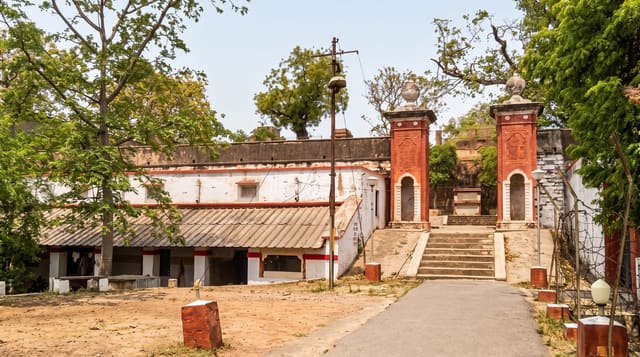
A ruined mud citadel on a rise above Ibri, with a walled village of collapsing houses around it.
Updated 1 September 2026
As-Sulaif sits on a low rise on the edge of Ibri, a mud-brick fort with round towers on a stone base surrounded by the remains of a walled village, and unlike the restored showpiece forts of the interior it has been left largely as it fell: walls standing to varying heights, roofs gone, rooms open to the sky, a mosque and a falaj among the ruins, and date palms growing through. Parts have had consolidation work but the site remains a ruin rather than a museum. That is its appeal for some visitors and its limitation for others. It gives an idea of how the restored forts looked before intervention, and the view over the Ibri oasis from the towers.
The main sights
- The mud fort - the towers and walls standing unrestored.
- The ruined village - the collapsing houses within the enclosure.
- The mosque and falaj - the surviving communal structures.
- The oasis view - Ibri and its date groves from the rise.
When to go
October to March; Ad Dhahirah is extremely hot from April to September. Morning and late afternoon light suit the mud walls. The site is open at any time with no gate.
Things to know
The structures are unstable and walking among them carries real risk of collapse. There is no interpretation, no staff and no facilities. Rubbish has accumulated in parts. It is a ruin, not a restored attraction.
Nearby
Bat beehive tombs lie east; Bahla is southeast.
What to pack for As-Sulaif Fort
Chosen from what this place is for. Tap a kit for the full checklist.
- Comfortable walking shoes - Sightseeing means kilometres of pavement and cobbles daily. Find on Amazon
- Modest clothing - Shoulders and knees covered - the single most common requirement. Find on Amazon
- A slim anti-theft daypack - Zips that close properly; keep it in front in crowds and on transit. Find on Amazon
- A scarf or shawl - To cover the head or shoulders on entry; women especially at mosques. Find on Amazon
Some links on this page are Amazon affiliate links - if you buy through them we may earn a small commission at no extra cost to you.
All packing kitsPlan your trip
Where to start if As-Sulaif Fort is going on the list.
Booking links on this page are affiliate links - if you book through them we may earn a small commission at no extra cost to you. It never changes what we write about a place.
Opening times, ticket prices and seasonal closures change - check the official source before you go: official site.