Sankthans
Midsummer eve on 23 June, marked with bonfires along fjords and beaches and gatherings that run through the light night.
Updated 4 September 2026

AI illustration
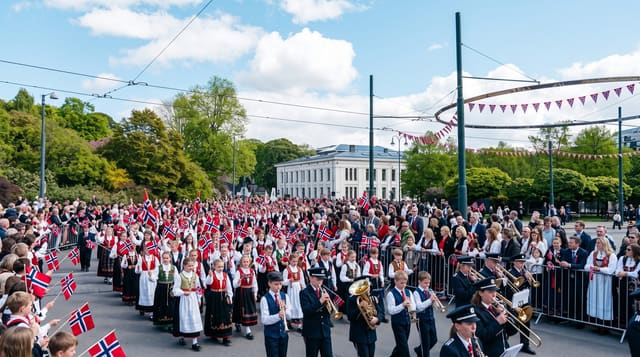
Sankthansaften falls on 23 June, the eve of Saint John's day, and it marks midsummer with bonfires, bål, built on shorelines, headlands and islands and lit in the evening, when at these latitudes the light barely fades. The practice is pre-Christian in origin and was absorbed into the church calendar. Along the southern and western coasts the fires are visible in chains around the fjords, and communities gather with food, music and swimming for those willing; in some places a witch figure of straw is burned on the fire, a custom borrowed from Denmark that has drawn criticism in recent years. Some large fires, notably at Alesund, have set records for height, built as timber towers over weeks.
What's there
- The shoreline fires - bonfires lit along fjords, lakes and beaches.
- The light night - near-continuous daylight through the celebration.
- The community gatherings - food, music and swimming at the fires.
- The record fires - very large constructed bonfires in some towns.
When to go
The evening of 23 June, fixed each year; the further north, the lighter the night, and above the Arctic Circle the sun does not set at all. Fires can be cancelled in dry conditions because of wildfire risk.
Good to know
Fire bans in dry summers cancel bonfires at short notice, which has happened increasingly. Gatherings are informal community events rather than staged attractions. Mosquitoes at inland lakes on a still June evening are severe.
Nearby
Coastal towns across the south and west hold the largest fires; Alesund's tower fire is the best known.
What to pack for Sankthans
Chosen from what this place is for. Tap a kit for the full checklist.
- Reef-safe sunscreen - High SPF that will not bleach the coral you are swimming over. Find on Amazon
- Warm base layers - Merino or synthetic against the skin - never cotton, which chills when damp. Find on Amazon
- Comfortable walking shoes - Sightseeing means kilometres of pavement and cobbles daily. Find on Amazon
- Quick-dry towel - A microfibre towel packs small and dries in minutes. Find on Amazon
Some links on this page are Amazon affiliate links - if you buy through them we may earn a small commission at no extra cost to you.
All packing kitsPlan your trip
Where to start if Sankthans is going on the list.
Booking links on this page are affiliate links - if you book through them we may earn a small commission at no extra cost to you. It never changes what we write about a place.
Opening times, ticket prices and seasonal closures change - check the official source before you go: official site.