Norsk Folkemuseum
An open-air museum on Bygdoy with about 160 relocated historic buildings, including a stave church from Gol.
Updated 21 October 2026

AI illustration
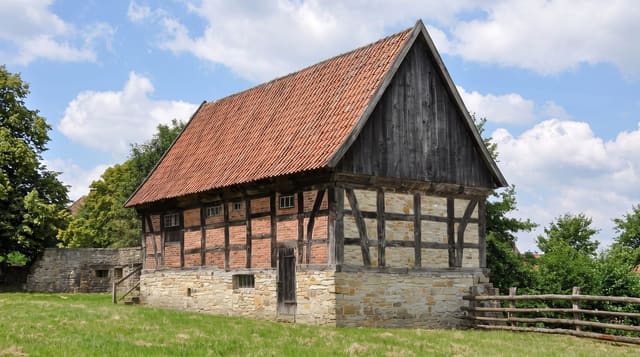
Founded in 1894, the Norwegian Museum of Cultural History gathered buildings from across the country onto a site on Bygdoy: farms from Setesdal and Numedal, storehouses on staves, a Sami settlement, town buildings including a whole apartment block section with flats furnished decade by decade from 1879 to 2002, and the Gol stave church of about 1200, moved here in the 1880s under King Oscar II's patronage. Around 160 buildings stand in all. Indoor galleries hold folk costume, furniture, toys and the largest collection of Norwegian folk art. In summer staff in period dress work the farms, bake flatbread and demonstrate crafts; in December a Christmas market fills the site.
History
The librarian and historian Hans Aall (1869-1946) founded the museum in 1894, acquired the core of its present site in 1898 and opened it to the public in 1901. In 1907 King Oscar II's neighbouring collection was incorporated: five relocated buildings around the Gol Stave Church, begun in 1881 and regarded as the world's first open-air museum (Wikipedia, Norwegian Museum of Cultural History).
What you'll find
- The Gol stave church - a medieval church moved here in the 1880s.
- The apartment block - flats furnished by decade from 1879 to 2002.
- The regional farms - buildings brought from valleys across Norway.
- The folk art collections - costume, furniture and decorative traditions indoors.
When to go
May to September, when the outdoor buildings are open, staffed and demonstrating; in winter most buildings are closed and only the indoor galleries run, except during the December Christmas market.
Before you go
Outside summer much of the site is shut and the ticket buys far less. The grounds are large and involve a lot of walking on gravel and grass. Bygdoy parking is very limited, so bus or ferry is the practical option.
Nearby
The Fram, Kon-Tiki and Maritime museums are on Bygdoy; Huk beach is at the peninsula's tip.
Key facts
Source: Wikidata, item Q937521, read on 18 October 2026.
What to pack for Norsk Folkemuseum
Chosen from what this place is for. Tap a kit for the full checklist.
- Comfortable walking shoes - Sightseeing means kilometres of pavement and cobbles daily. Find on Amazon
- A slim anti-theft daypack - Zips that close properly; keep it in front in crowds and on transit. Find on Amazon
- A refillable water bottle - Many cities have public fountains; save money and plastic. Find on Amazon
- A light layer + compact umbrella - For museum air-con and a sudden shower. Find on Amazon
Some links on this page are Amazon affiliate links - if you buy through them we may earn a small commission at no extra cost to you.
All packing kitsPlan your trip
Where to start if Norsk Folkemuseum is going on the list.
Booking links on this page are affiliate links - if you book through them we may earn a small commission at no extra cost to you. It never changes what we write about a place.
Opening times, ticket prices and seasonal closures change - check the official source before you go: official site.