Mjelle Beach
A beach north of Bodo where the sand is tinted pink-red by garnet crystals eroded from the surrounding rock.
Updated 4 September 2026
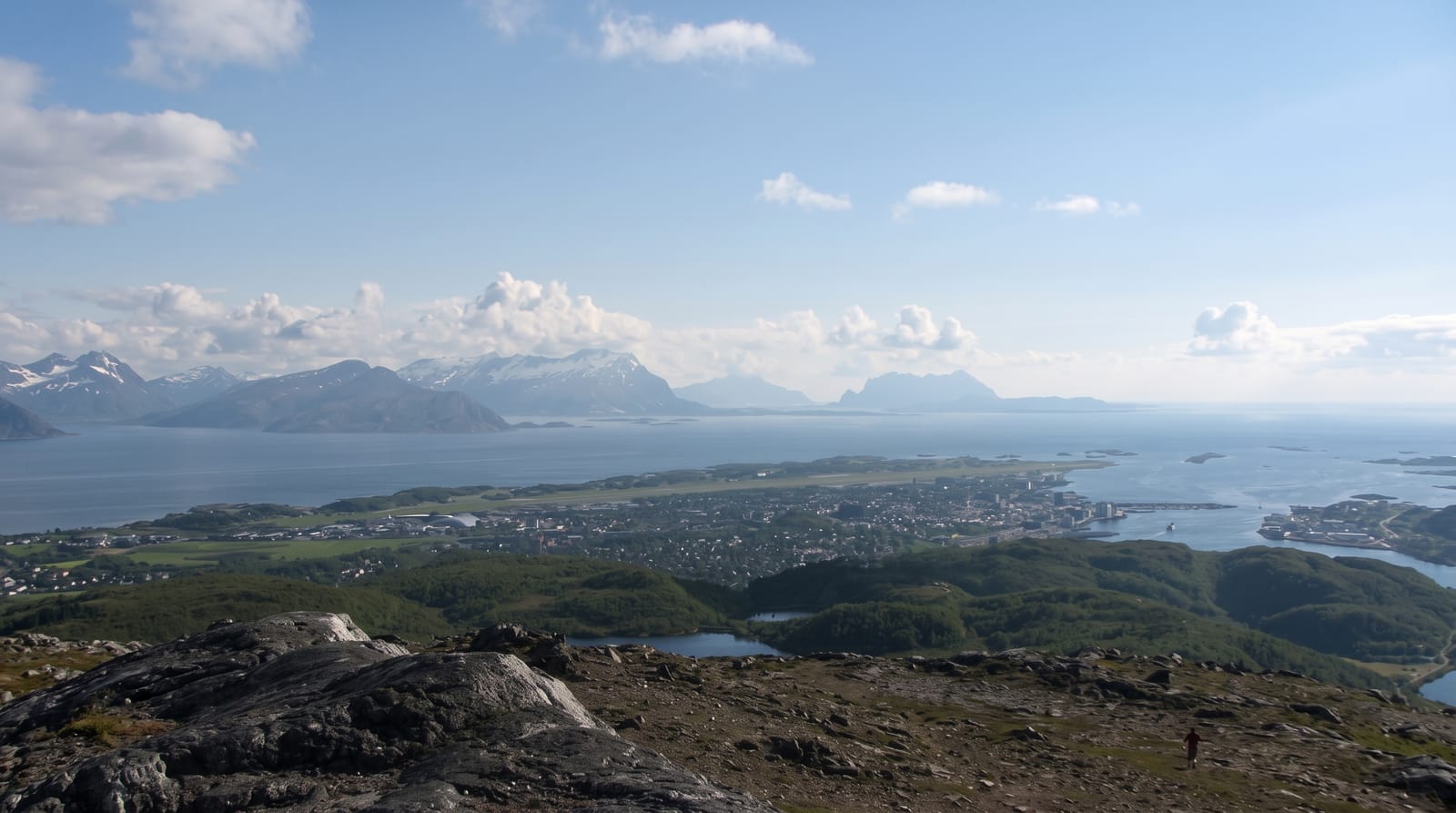
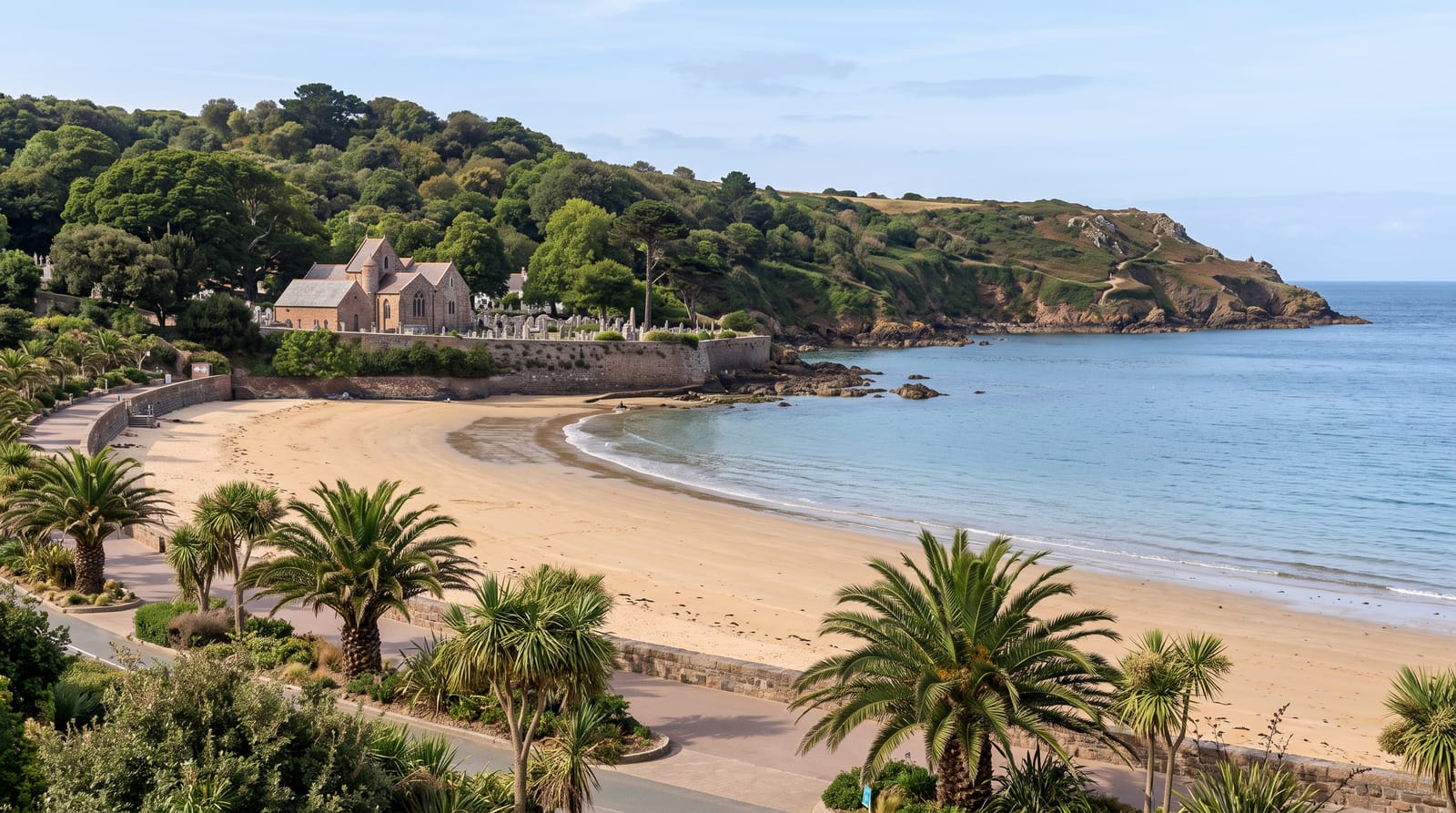
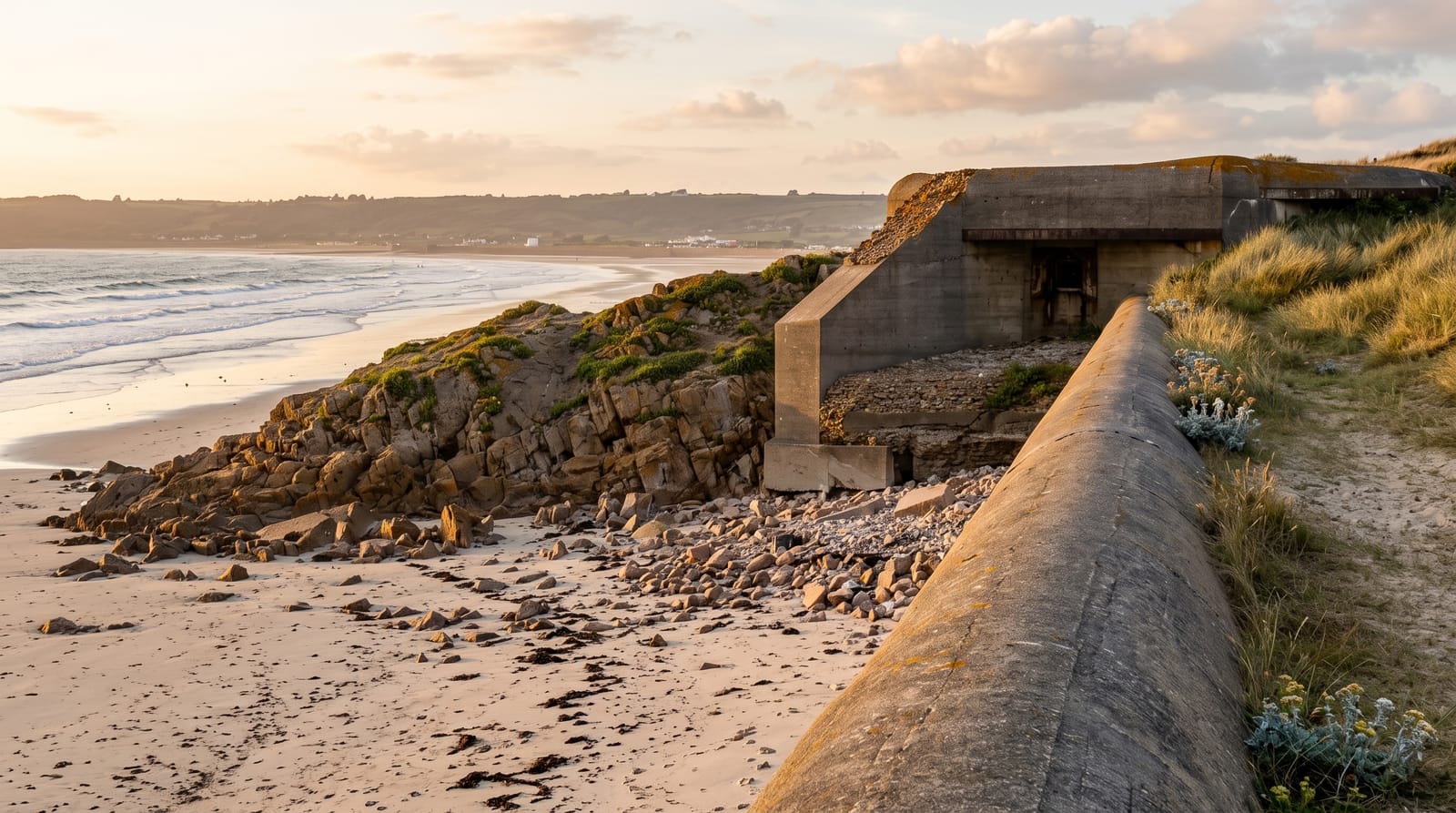
The sand at Mjelle carries a distinct pink-red tint, strongest where waves have concentrated the heavier grains, and it comes from garnet: the mica schist in the surrounding hills contains the mineral, and as the rock breaks down the hard red crystals survive and collect on the beach. The effect is subtle in flat light and obvious in sun or after a wave has sorted the sand into bands. The beach sits in a bay open to the Vestfjord with mountains behind, reached by a short walk over a ridge from the parking area. There are no facilities. In winter the same bay is used for aurora photography, with the sea and hills giving foreground.
Highlights
- The red-tinted sand - garnet crystals colouring the beach in bands.
- The open bay - sand and rock facing the Vestfjord.
- The ridge walk - a fifteen-minute crossing from the car park.
- The winter skies - a dark foreground used for aurora photography.
When to go
May to September for walking and, for the hardy, swimming; the colour shows best in direct sun after waves have sorted the sand. September to March for the aurora, when the walk in is dark and often icy.
Before you go
The red is a tint rather than a vivid colour and disappoints people expecting the photographs they have seen. There are no facilities, toilets or shelter. The walk over the ridge is muddy in wet weather and the water is cold year-round.
Nearby
Bodo and the Saltstraumen tidal current are close; Kjerringoy's old trading post lies north.
What to pack for Mjelle Beach
Chosen from what this place is for. Tap a kit for the full checklist.
- Reef-safe sunscreen - High SPF that will not bleach the coral you are swimming over. Find on Amazon
- Spare batteries + cards - Cold and long shoots drain power; never run out at the good light. Find on Amazon
- Quick-dry towel - A microfibre towel packs small and dries in minutes. Find on Amazon
- A compact tripod - Essential for night skies, aurora, waterfalls and low light. Find on Amazon
Some links on this page are Amazon affiliate links - if you buy through them we may earn a small commission at no extra cost to you.
All packing kitsPlan your trip
Where to start if Mjelle Beach is going on the list.
Booking links on this page are affiliate links - if you book through them we may earn a small commission at no extra cost to you. It never changes what we write about a place.
Opening times, ticket prices and seasonal closures change - check the official source before you go: official site.