Old Cathedral of Managua
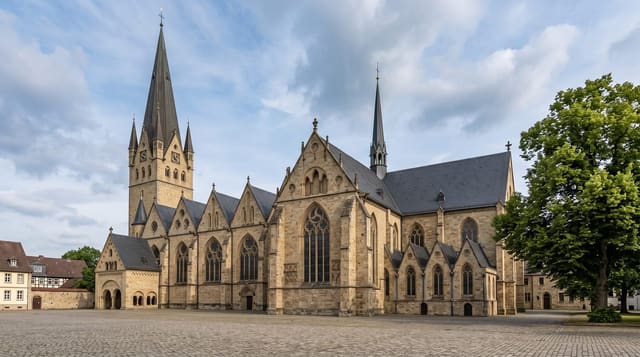
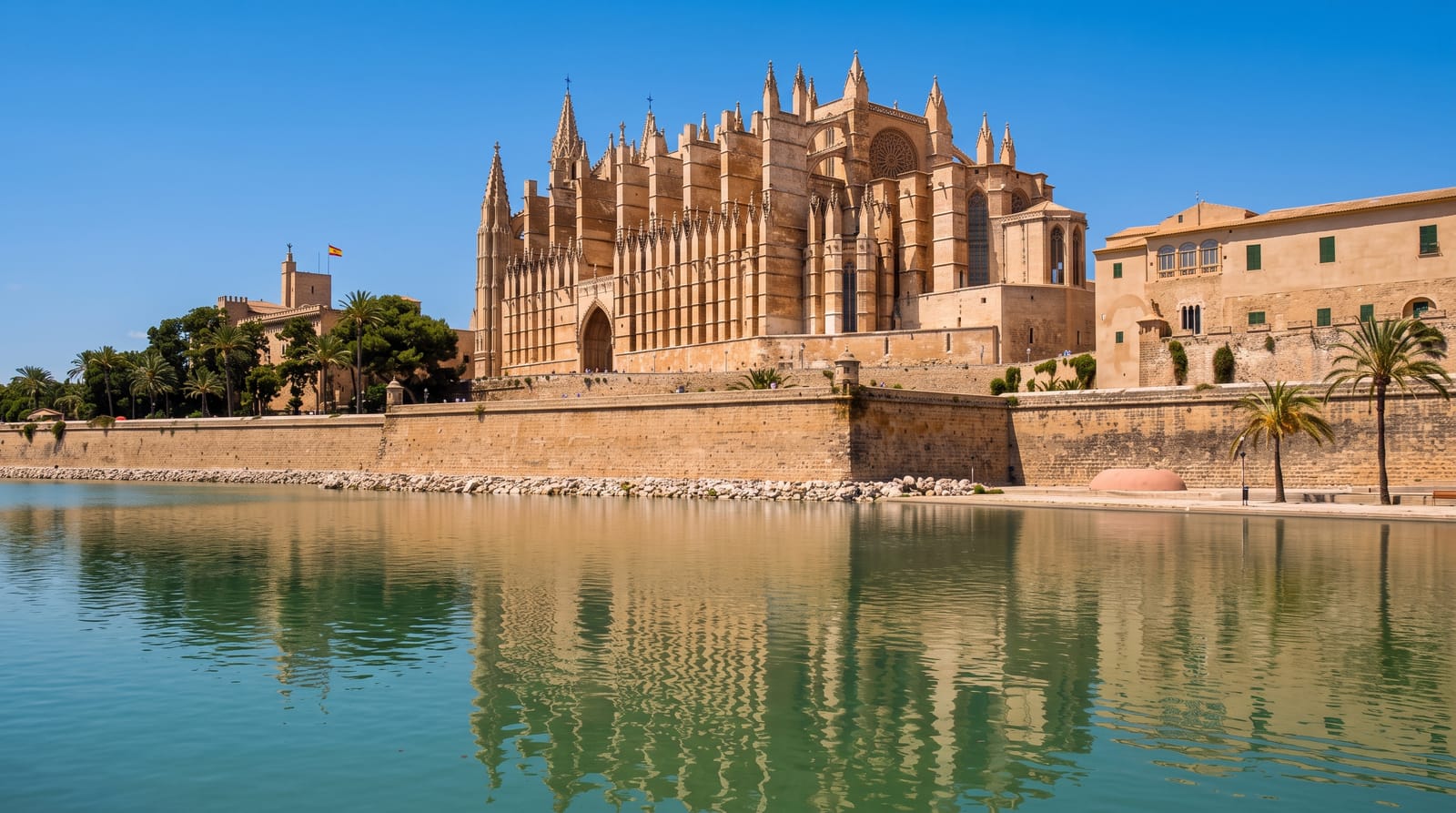
The roofless shell of Managua's cathedral, left standing after the 1972 earthquake and now floodlit as a monument.
Updated 31 August 2026
The Catedral de Santiago was built between 1928 and 1938 with a steel frame shipped from Belgium, and it survived the earthquake of December 1972 that levelled central Managua, though badly enough damaged that it has never reopened. The city centre was never rebuilt around it, so the cathedral stands roofless and hollow at the edge of a large open plaza with the lake behind, its towers and facade intact and the interior visible through the empty windows. It has been stabilised and is floodlit at night, and it functions as the emblem of what happened to the old centre. Around the plaza are the national palace, now the national museum, and the Rubén Darío theatre, which together make the old core walkable.
Highlights
- The hollow shell - facade and towers standing with no roof.
- The empty plaza - the open centre that was never rebuilt.
- The night floodlighting - the building lit after dark.
- The surrounding core - national palace, theatre and the lakefront.
When to go
December to April for dry weather; the plaza is exposed and hot at midday. Evening shows the floodlighting. The area is quiet after dark and worth treating with normal city caution.
Good to know
The interior is closed and can only be seen through the openings. The surrounding centre is empty and lacks the density of a normal city core, which some find eerie rather than interesting. Heat and lack of shade on the plaza are real. Street safety after dark warrants care.
Nearby
Huellas de Acahualinca lie west; the lakefront is north.
Key facts
Source: Wikidata, item Q1542099, read on 18 October 2026.
What to pack for Old Cathedral of Managua
Chosen from what this place is for. Tap a kit for the full checklist.
- Comfortable walking shoes - Sightseeing means kilometres of pavement and cobbles daily. Find on Amazon
- Modest clothing - Shoulders and knees covered - the single most common requirement. Find on Amazon
- A slim anti-theft daypack - Zips that close properly; keep it in front in crowds and on transit. Find on Amazon
- A scarf or shawl - To cover the head or shoulders on entry; women especially at mosques. Find on Amazon
Some links on this page are Amazon affiliate links - if you buy through them we may earn a small commission at no extra cost to you.
All packing kitsPlan your trip
Where to start if Old Cathedral of Managua is going on the list.
Booking links on this page are affiliate links - if you book through them we may earn a small commission at no extra cost to you. It never changes what we write about a place.
Opening times, ticket prices and seasonal closures change - check the official source before you go: official site.