Goat Island Marine Reserve
New Zealand's first marine reserve, where fifty years of no fishing produced snapper that swim up to snorkellers.
Updated 21 October 2026
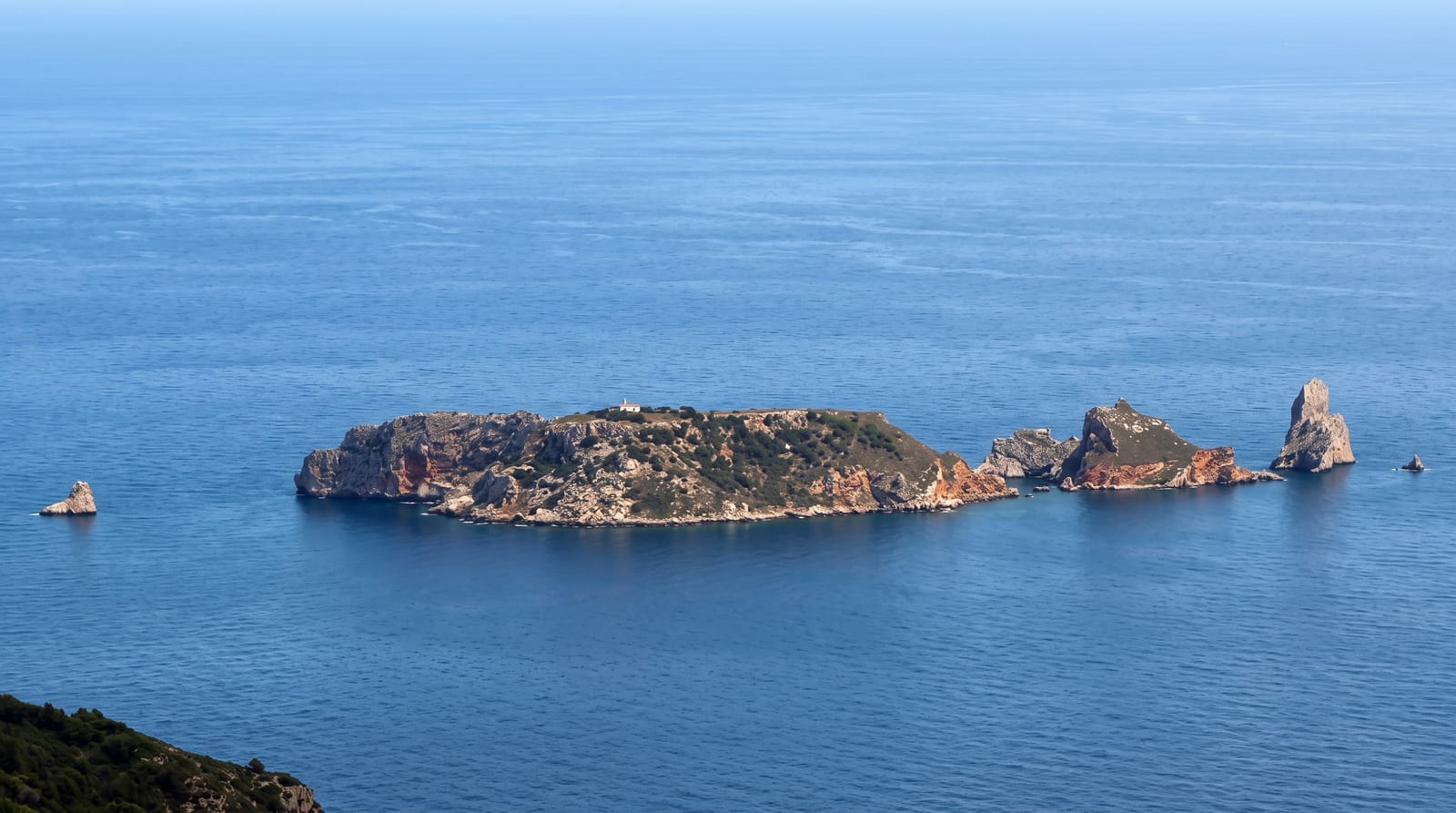
Cape Rodney-Okakari Point, universally called Goat Island, was established in 1975 as the first marine reserve in the country, after a long campaign by scientists at the University of Auckland's marine laboratory next door. It is a small area - about five square kilometres - and what half a century of complete protection did to it is the point: snapper, which are heavily fished everywhere else, grow large here and are unafraid, so they approach snorkellers directly. Blue maomao school in the shallows, crayfish sit under ledges, and the kelp forest recovered as the snapper and crayfish ate down the kina that had stripped it, a sequence marine ecologists cite worldwide. The water is entered straight off a sheltered beach. Nothing may be taken - no fishing, no shellfish, no rocks. Visibility is best in settled weather; after a storm it can be poor for days.
History
Te Hāwere-a-Maki, Goat Island, is named after Maki, son of Manuhiri, founding ancestor of Ngāti Manuhiri, who received formal title to the island in 1901. The reserve was created in 1975 as the first marine reserve in New Zealand; before that the seafloor was dominated by kina because rock lobster and snapper had been overfished, and by 2011 fish were abundant and diverse (Wikipedia, Cape Rodney-Okakari Point Marine Reserve).
Highlights
- The unafraid snapper - large fish that approach rather than flee.
- The kelp forest - recovered after the urchins were eaten back.
- The beach entry - snorkelling straight off the sand.
- Blue maomao - schooling in the shallows.
When to go
December to April, when the water is warmest and calmest. Check conditions - swell and rain ruin visibility for days. Weekends in summer are crowded and parking fills.
Things to know
The water is cold enough that a wetsuit is sensible even in February; hire is available. Nothing may be removed, including shells. Facilities are basic and the car park is small.
Nearby
Tawharanui is south along the coast; Matakana village and its market are inland.
Key facts
Source: Wikidata, item Q3457285, read on 18 October 2026.
What to pack for Goat Island Marine Reserve
Chosen from what this place is for. Tap a kit for the full checklist.
- Broken-in walking shoes or boots - Grip and ankle support matter more than looks; never hike in brand-new boots. Find on Amazon
- Travel rod + reel - A packable multi-piece rod fits in a case and covers most holiday fishing. Find on Amazon
- Your own mask + snorkel - A well-fitting mask is the single biggest comfort upgrade underwater. Find on Amazon
- Layers + a waterproof shell - Mountain weather turns fast; a packable rain jacket saves the day. Find on Amazon
Some links on this page are Amazon affiliate links - if you buy through them we may earn a small commission at no extra cost to you.
All packing kitsPlan your trip
Where to start if Goat Island Marine Reserve is going on the list.
Booking links on this page are affiliate links - if you book through them we may earn a small commission at no extra cost to you. It never changes what we write about a place.
Opening times, ticket prices and seasonal closures change - check the official source before you go: official site.