Castle Hill Kura Tawhiti
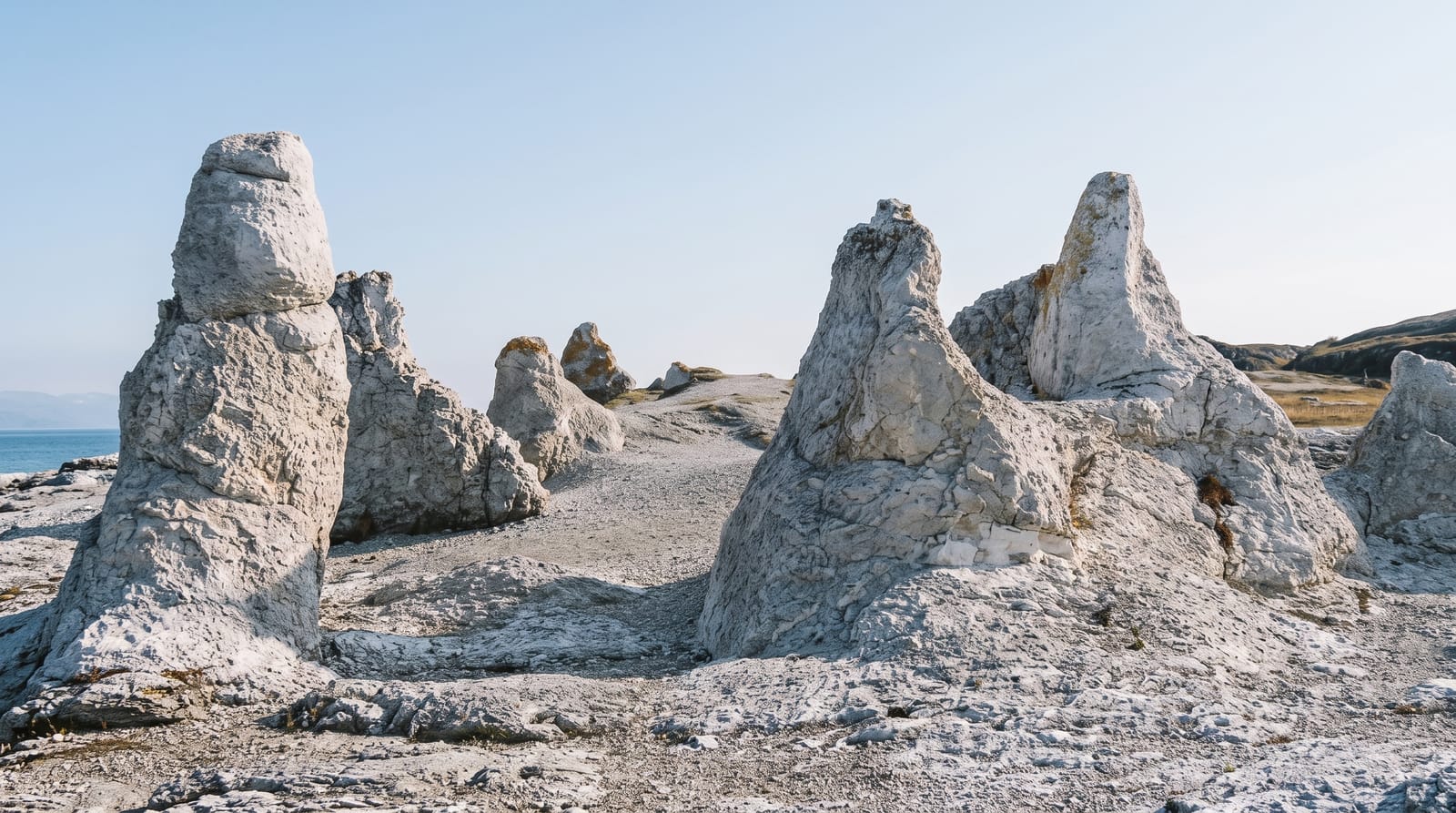
A field of weathered limestone boulders in a mountain basin, sacred ground and a world-class bouldering site.
Updated 12 October 2026
Kura Tawhiti is a scatter of limestone tors standing out of tussock in a basin surrounded by mountains - rock laid down as sea floor about thirty million years ago, lifted and then sculpted by rain into rounded, fluted, hollowed shapes that look nothing like the surrounding schist. It is a wahi tapu of Ngai Tahu, historically a place where kumara was stored and where rock drawings survive; the reserve is co-managed and there are specific areas closed to climbers to protect drawings and to respect the site. Bouldering here is internationally known and the crags carry names climbers arrive knowing, but the closures are real and marked. For everyone else it is a twenty-minute walk from the car park up into the boulders and as long as you want wandering among them. The basin sits at about seven hundred metres and the weather turns quickly.
Highlights
- The limestone tors - fluted and hollowed, out of tussock.
- The mountain basin - the Torlesse and Craigieburn ranges around it.
- The bouldering - internationally known, with marked closures.
- The cultural site - wahi tapu, with rock drawings under protection.
When to go
October to April. Early or late light shows the rock shapes best. Snow lies here in winter and the highway can close.
Practical notes
It is a wahi tapu and parts are closed to climbing - the restrictions are signposted and should be followed. There are no facilities beyond a toilet. Weather at seven hundred metres changes fast and the basin is exposed.
Nearby
Cave Stream is a few minutes north; Arthur's Pass is further up SH73.
Key facts
Source: Wikidata, item Q1049435, read on 18 October 2026.
What to pack for Castle Hill Kura Tawhiti
Chosen from what this place is for. Tap a kit for the full checklist.
- Broken-in walking shoes or boots - Grip and ankle support matter more than looks; never hike in brand-new boots. Find on Amazon
- Head torch + spare batteries - Hands-free light is essential; caves are truly dark. Find on Amazon
- Warm base layers - Merino or synthetic against the skin - never cotton, which chills when damp. Find on Amazon
- Modest clothing - Shoulders and knees covered - the single most common requirement. Find on Amazon
Some links on this page are Amazon affiliate links - if you buy through them we may earn a small commission at no extra cost to you.
All packing kitsPlan your trip
Where to start if Castle Hill Kura Tawhiti is going on the list.
Booking links on this page are affiliate links - if you book through them we may earn a small commission at no extra cost to you. It never changes what we write about a place.
Opening times, ticket prices and seasonal closures change - check the official source before you go: official site.