Sri Ksetra
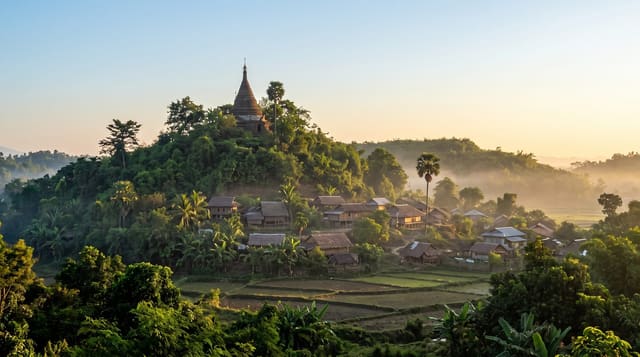
A vast walled Pyu city near Pyay, its cylindrical brick stupas and gates standing in farmland, inscribed with the other Pyu cities in 2014.
Updated 18 October 2026
UNESCO World Heritage
Sri Ksetra was the largest of the Pyu city states, occupied from at least the first centuries AD, by recent radiocarbon dates, to the ninth century, and its walls enclose a circuit of some thirteen kilometres of what is now farmland and scrub. It was inscribed in 2014 as part of Pyu Ancient Cities together with Halin and Beikthano, the first World Heritage listing in the country. What stands are the great cylindrical brick stupas - Bawbawgyi, Payagyi, Payama - a few gates and palace foundations, and a small site museum holding the urns, coins and inscriptions that establish the chronology.
History
Burmese legend and scholarship tell different stories: the long-held view is that the Pyu founded Sri Ksetra between the 5th and 7th centuries, and most material from the site dates from the 7th to 9th, but radiocarbon dates from charcoal of 50-200 AD would make the Pyu among the earliest urban peoples in Southeast Asia, and Janice Stargardt's excavations of 2015-2016 at the Yahanda mound found Buddhist-stamped sherds of around 340 and cremation burials of around 270. It is the largest Pyu site known, its brick walls enclosing 1,477 hectares by the older measure and 1,857 by a recent survey, more than 11th-century Pagan or 19th-century Mandalay, and the largest city in Southeast Asia before Angkor. Funerary inscriptions on stone urns found here carry possible royal names and titles, and the site holds much of the surviving Pyu art (Wikipedia, Sri Ksetra kingdom).
What you'll find
- Bawbawgyi Paya - a cylindrical brick stupa around forty-six metres tall, the defining Pyu form.
- Payagyi and Payama - two more early stupas standing isolated in the fields.
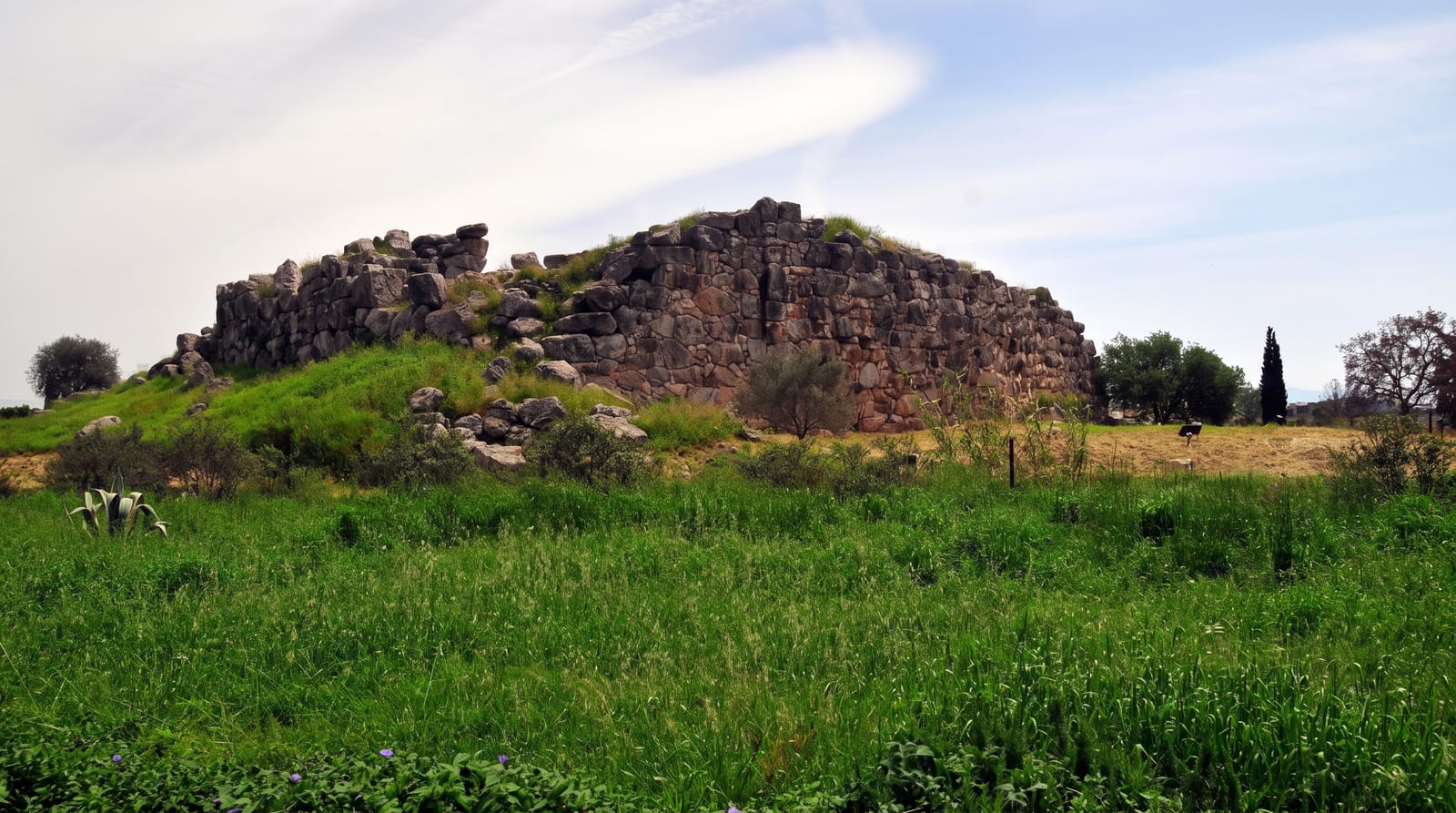
- The city walls and gates - a circuit of some thirteen kilometres of earth and brick defences.
- The site museum - burial urns, silver coins and stone inscriptions from the excavations.
When to go
November to February is dry and cool enough to move around a site with almost no shade. March to May is very hot. The monsoon makes the tracks between monuments muddy and some become hard to reach.
Before you go
The monuments are scattered across farmland with long gaps between them, and a horse cart or a car is needed rather than walking. There is little interpretation on the ground and the museum is small. Anyone expecting Bagan will find this much emptier and much older.
Nearby
Pyay is twenty minutes west on the Ayeyarwady, with the Shwesandaw pagoda in the town.
What to pack for Sri Ksetra
Chosen from what this place is for. Tap a kit for the full checklist.
- Strong insect repellent - DEET or picaridin; the jungle is where bites and disease risk are highest. Find on Amazon
- Comfortable walking shoes - Sightseeing means kilometres of pavement and cobbles daily. Find on Amazon
- Long, light, quick-dry clothing - Covers skin from insects and sun without cooking you in the humidity. Find on Amazon
- A slim anti-theft daypack - Zips that close properly; keep it in front in crowds and on transit. Find on Amazon
Some links on this page are Amazon affiliate links - if you buy through them we may earn a small commission at no extra cost to you.
All packing kitsPlan your trip
Where to start if Sri Ksetra is going on the list.
Booking links on this page are affiliate links - if you book through them we may earn a small commission at no extra cost to you. It never changes what we write about a place.
Opening times, ticket prices and seasonal closures change - check the official source before you go: official site.